Country Facts:
- Capital city – Lusaka
- Population – over 20 million
- Life expectancy – 61 years
- Unemployment rate – 13%
- Below poverty line – 61.4%
*International poverty line of US$2.15 (World Bank)
Find more country facts on: CIA The World Factbook – Zambia
Habitat Facts
- Habitat started in Zambia in 1984
- Individuals served in FY2022 – 4,030
- Through new construction – 180
- Through incremental building – 860
- Through professional services - 2,990
- Volunteers engaged in FY2022 – 128
The housing need in Zambia
Zambia is one of the most urbanized countries in Sub-Saharan Africa, with an urbanization rate of 4.35%, higher than the population growth rate that currently stands at 2.93%. About 44% of Zambia’s population lives in cities or urban areas, while 56% lives in rural areas. The national housing deficit stands at more than 1.5 million units and is projected to double by 2030, according to UN Habitat. Due to the lack of affordable housing, about 70% of urban dwellers live in unplanned settlements with poor housing and inadequate access to safe and clean water, sanitation, hygiene and extension facilities.
How Habitat addresses the need
Vulnerable groups housing
We support vulnerable groups including children by providing adequate, affordable housing. Each participating household receives training in childcare, basic house maintenance, estate planning and will preparation, protection against HIV/AIDS, and malaria prevention. Since inception, we have helped 24,000 individuals through the construction of over 4,000 homes.
Water, sanitation and hygiene
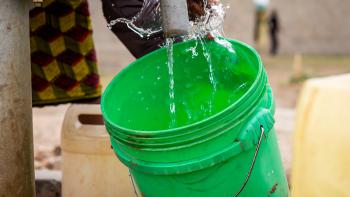
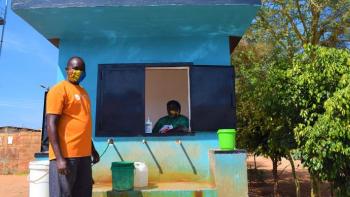
Habitat Zambia partners with communities, donors, local corporations and commercial utility companies to build water kiosks, solar powered boreholes and toilets. To date, we have built 70 water points that include boreholes and communal water kiosks. As a result, 41,064 vulnerable community members residing in Chilanga, Lusaka, Chongwe, Kabwe and Ndola now have access to safe water.
Advocacy
We aim to facilitate policy change and systems to ensure increased access to secure land and decent shelter. This includes increasing awareness of land right issues at both community and national levels by partnering with all relevant stakeholders such as policymakers in the government.
Savings and financial literacy
Research shows that financial literacy and the formation of saving groups, particularly among low-income households, is the lifeline of community wealth creation. Habitat Zambia raises awareness of financial risks and opportunities and builds the capacity of communities to make informed choices for improved economic well-being and living conditions.
We also facilitate linkages between program participants and various financial institutions. To date, we have established 1,577 savings groups, benefiting 5,842 community members.
Volunteer engagement
Volunteers support Habitat’s ongoing efforts to ensure adequate and affordable housing. Evidence increasingly demonstrates the positive contributions of volunteering to the achievement of the Sustainable Development Goals.
What you can do
DONATE
Please visit habitat.org/donate and select “Designate your donation” to donate to Habitat Zambia.
VOLUNTEER
The Global Village program is resuming region by region until a safe and quality experience can be provided at scale worldwide. Please visit habitat.org/gv for more information and updates.
Habitat Zambia continues to work with community volunteers in the implementation of its work.
TITHE
Habitat affiliates in the U.S. support the international work through an annual tithe. For additional information, email [email protected] or contact your local Habitat organization.
CONTACT
Mathabo Makuta
National director
website: www.habitatforhumanityzambia.org