16 voices
Orlando, Peru
Peru, Orlando
Partnership for Energy
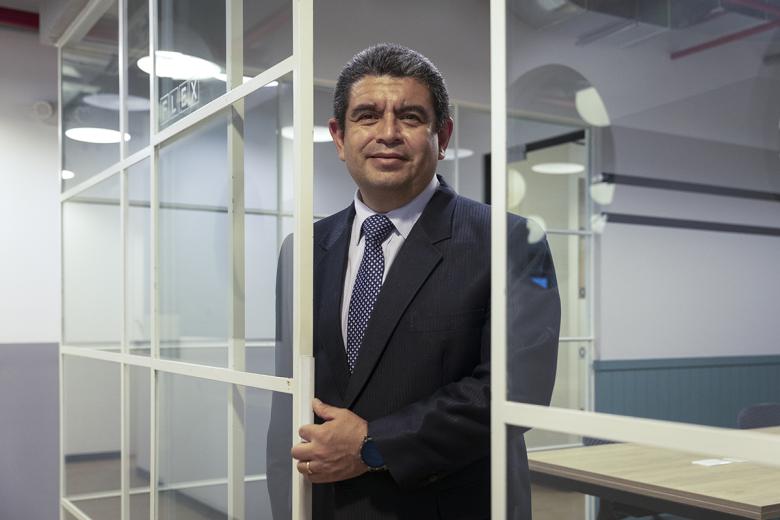
In Peru, Habitat for Humanity works through partners with the courage and enthusiasm to identify the gaps that prevent access to adequate housing and help families achieve their dream of having a home. Orlando Ardito, general manager of the Association of International Electrical Products Companies (EPEI Peru), joins 16 Voices on behalf of the partners working on projects that seek to influence the social housing market and open up new opportunities.
“EPEI Peru is an organization that always works with safety, sustainability and compliance in mind, with the purpose of building trust.”
Electrical installations at risk
The conversation with Orlando focuses on a very tangible and critical problem: informality. In Peru, 70% of the electrical products imported into and sold in the country are illegal. These materials do not meet the minimum quality standards required to ensure users’ safety. In addition, 30% of these products are counterfeit, meaning that not only do they fail to meet minimum requirements, but they also violate intellectual property rights and mislead consumers. This means that families living in these homes face constant danger.
“Today, more than 13,000 fires occur every year, and 70% of them are caused by faulty electrical installations, many due to the quality of the materials used.”
EPEI Peru, a trade association dedicated to preventing the risks associated with faulty electrical installations, partnered with us to create a pilot project called Red Power.
The birth of the Partnership
In Peru, Habitat for Humanity, through the Terwilliger Center for Innovation in Shelter, has conducted several studies on incremental construction. These studies have enabled us to map the long journey families undertake to build a home. The process can take up to 30 years and cost as much as three times more than completing the construction in a single phase. Moreover, the use of unsuitable materials means that the finished home often does not meet the desired quality standards.
Although Orlando and his organization were already familiar with Habitat, the relationship grew stronger following an event at the University of Engineering and Technology (UTEC) more than three years ago. The meetings that followed led to the Red Power pilot project. It began with initial data collection activities to determine how best to reach families on the urban outskirts of Metropolitan Lima and help them improve their electrical installations using quality products.
“It is not just about raising awareness or replacing cables and outlets with new products. We also need to educate people, train electricians, transform schools, work with hardware stores and communicate effectively. We need to create a virtuous circle. If we add microfinance strategies and places where electrical products can be readily purchased at wholesale prices, users can receive the greatest possible benefits.”
A project bringing quality solutions to Peruvian families
“Red Power was created to combat and compete against informality and, in the process, identify users’ needs, understand the challenges they face and determine how the electrical industry […] can help raise awareness and strengthen safety.”
Red Power is a collaborative model involving EPEI Peru, the Terwilliger Center, design and construction companies, and financial institutions. It seeks to transform access to safe electrical solutions for families who build their homes incrementally.
The project brings together suppliers, technical specialists, social organizations and financial institutions to provide families with a comprehensive solution that combines:
Certified materials
Professional installation
Electrical safety education
Technical assistance
Access to financing for home improvements
The goal is to turn an improvement that would normally be carried out informally into a planned, safe and affordable investment.
Our experience has shown us that families, regardless of their socioeconomic status, want an adequate, safe and durable home. They are also able to repay financing tailored to their needs to achieve this goal.
“Families have also taught us that safety is important to them and that they are willing to pay for it without overextending themselves financially. They use loans from financial institutions, but they make their payments on time and remain deeply concerned about their families’ safety.”
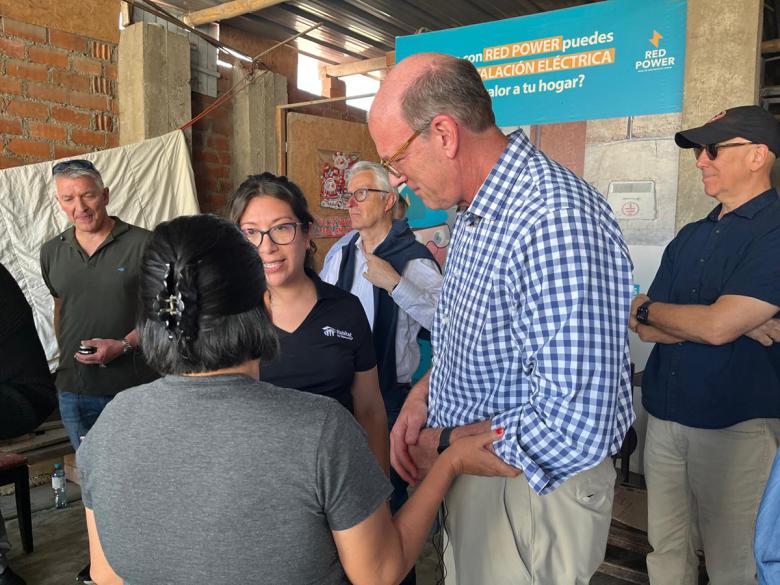
In mid-August, our CEO, Jonathan Reckford, visited one of the families participating in the Red Power project. He and the other members of our International Strategic Advisory Council (ISAC) were in Metropolitan Lima to learn about the work we carry out with the support of our partners.
“We have four women ambassadors who never tire of saying that their electrical installations not only look good and safe, but have also helped them save money. We want many more families to have that same experience, not only in Pamplona, but throughout Metropolitan Lima. And why not consider expanding to other parts of the country as well?”
Quality products help families save money
Our research has shown that adequate housing helps families save money, contributing to their financial stability. This also applies to electrical systems. When quality products are combined with professional installation, families benefit from electrical systems that last longer and experience fewer failures. Although the initial cost may be higher, families save money in the long run because they do not need to pay for additional labor to make repairs or replace components frequently.
“The most important benefit users identified was that it helped them save money. Improving electrical safety by replacing components in an electrical installation can reduce energy consumption by up to 50%, as we have observed in the various pilot projects we have carried out.”
Working together
Orlando recognizes the value of the partnership with Habitat in two ways. First, the use of agile and experimental methodologies has enabled them to design pilot projects that respond to people’s needs. Second, Habitat has connected them with partners that can contribute to their goals, such as microfinance institutions capable of providing loans to families that need to improve their electrical installations.
“Both the Terwilliger Center and EPEI Peru share the challenge of helping people feel safe in their homes. At EPEI Peru, we also believe that this well-being begins with the electrical system, the products installed in the home and the confidence they provide. In short, together we seek to provide families with adequate housing, and electrical safety is part of what makes a home adequate.”
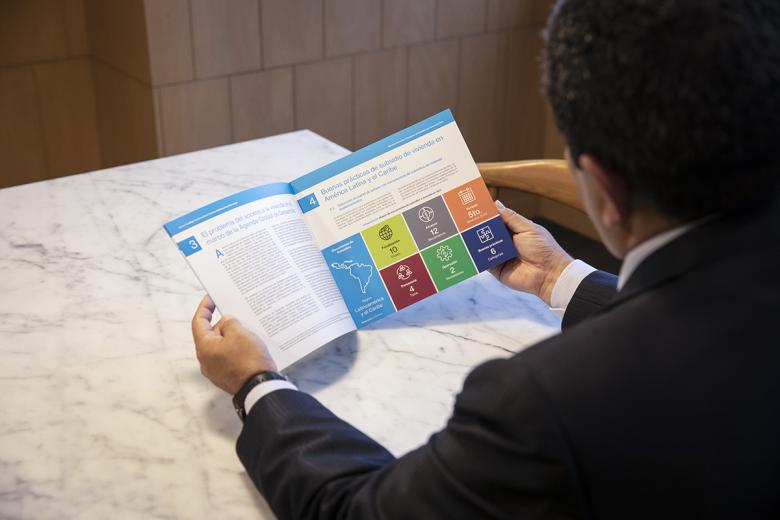
“Working with Habitat has also enabled us to connect with a range of strategic partners we did not previously know. We recognize Habitat’s tremendous ability to bring stakeholders together during this part of the process.”
Together, we scale our impact
Although EPEI Peru is focusing its efforts on electrical safety, Orlando recognizes opportunities to develop similar projects with other stakeholders in the industry. Cement, bricks and steel also face challenges related to counterfeit or low-quality materials, even though these products are vital to the structural integrity of families’ homes.
“We believe that Red Power, which began in the electrical sector, can serve as a model and a vision for working with any product in the construction industry.”
Orlando is one of the 16 Voices representing us as Habitat for Humanity celebrates its 50th anniversary.
As part of our Let’s Open the Door campaign, this project shares stories and testimonials about the impact of adequate housing.
In Peru and throughout Latin America and the Caribbean, our organization works with partners such as EPEI Peru to transform lives.
If you or your company would like to be part of this multiplier effect, contact us.
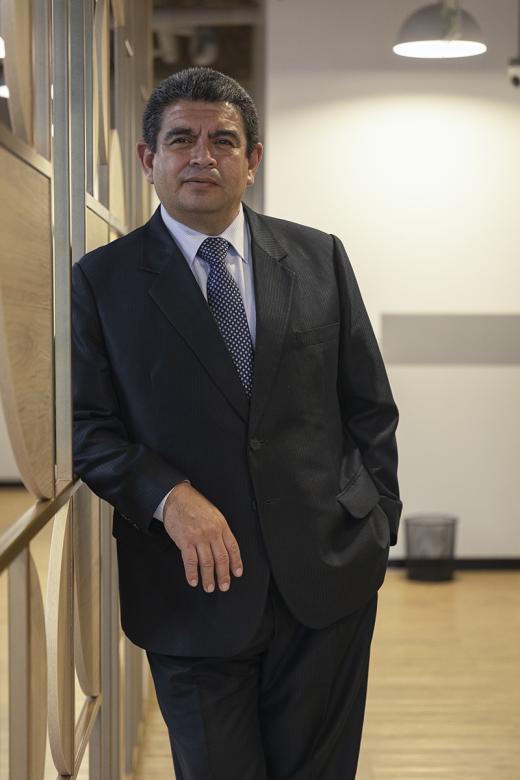
“As Habitat for Humanity and the Terwilliger Center celebrate their first 50 years, we would like to extend our heartfelt congratulations for the work they have accomplished. We hope that the years ahead will bring many more activities and projects involving a growing number of strategic partners, allowing us to improve housing and enhance people’s well-being.”
About EPEI Peru
EPEI Peru is a trade association representing companies responsible for 65% of the electrical products imported and marketed in Peru. It works to prevent the risks associated with faulty electrical installations by addressing standards and regulatory frameworks. It also supports innovation, emerging technologies and good practices among electrical product companies.
As part of its mission, EPEI Peru promotes the development of a safe, innovative and sustainable electrical sector by strengthening technical standards and regulatory frameworks, enhancing market competitiveness, generating knowledge and fostering collaboration among stakeholders, thereby contributing to the country’s sustainable development.