Double Loss, Double Hope
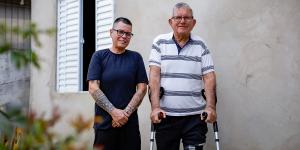
Kinha and his father lost their home due to the floods in Brazil. Amid this difficult situation, his father became ill and had to have his leg amputated. This story of resilience is one of Habitat for Humanity’s 16 Voices and shows how our program creates life-changing impact for people with disabilities.
Brazil, Kinha
Double Loss, Double Hope
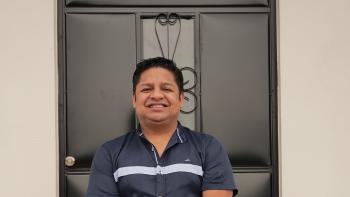
Kinha welcomes us into his father’s home, a place that holds special meaning for him. It is where he has found hope after losing everything in the 2024 floods that struck Asa Branca, in Porto Alegre. The past few years have not been easy. Kinha had to stop working because of a knee condition, the family lost their home during the disaster, and a wound on his father’s leg worsened due to diabetes, ultimately leading to an amputation.
Our program in Brazil worked with Kinha to improve his father’s home, where he now serves as his primary caregiver. His testimony in the 16 Voices project speaks of dedication, care, and commitment. At the end of this journey, hope shines through. Kinha has already been selected for a home improvement program of his own. Soon, he will not only have the satisfaction of seeing his father living in better conditions, but he will also regain a home of his own.
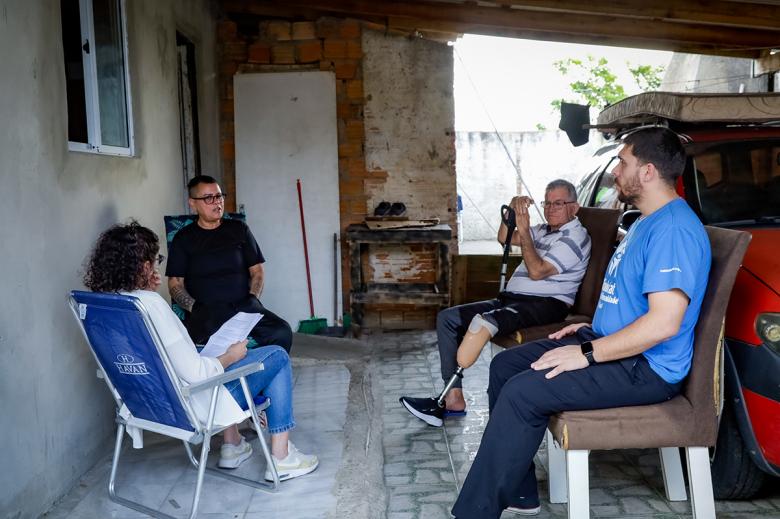
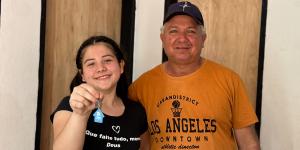
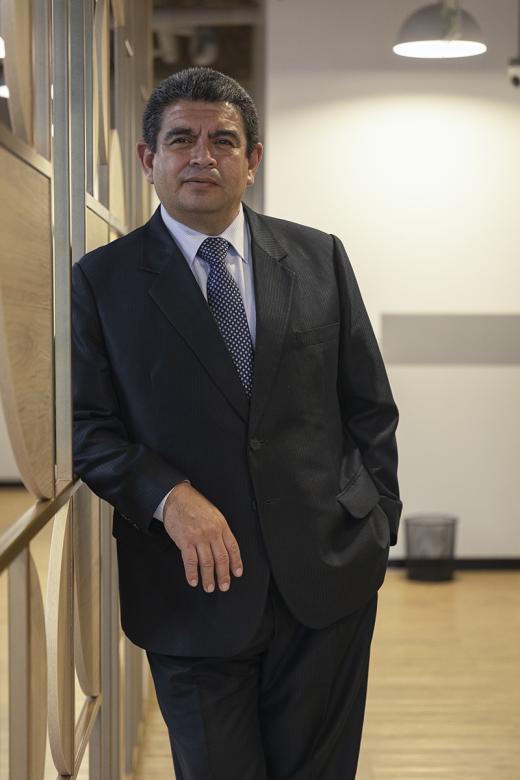
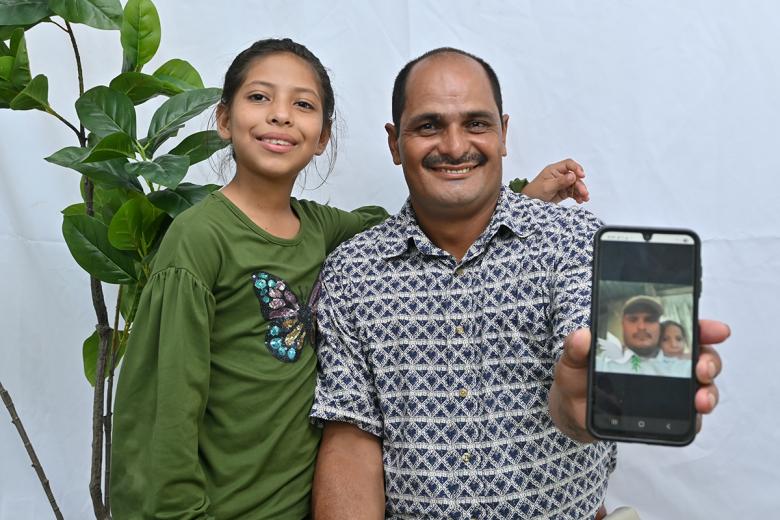
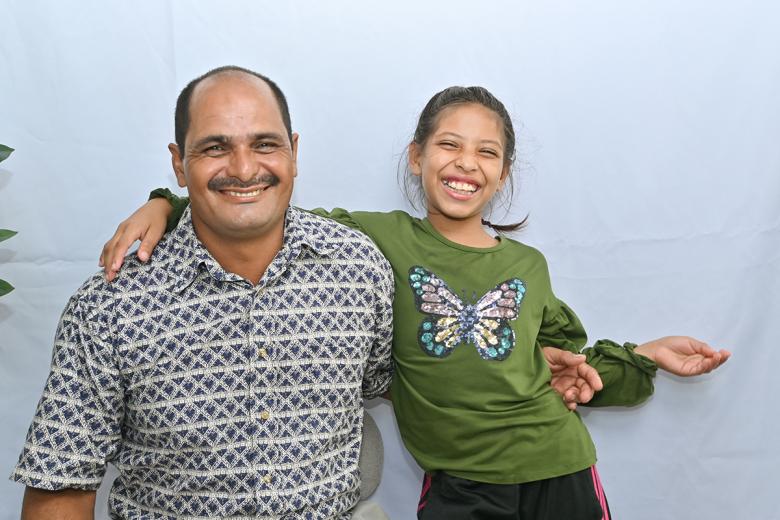
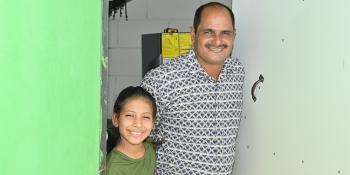
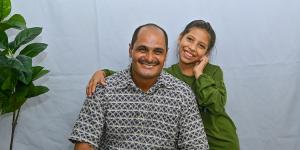
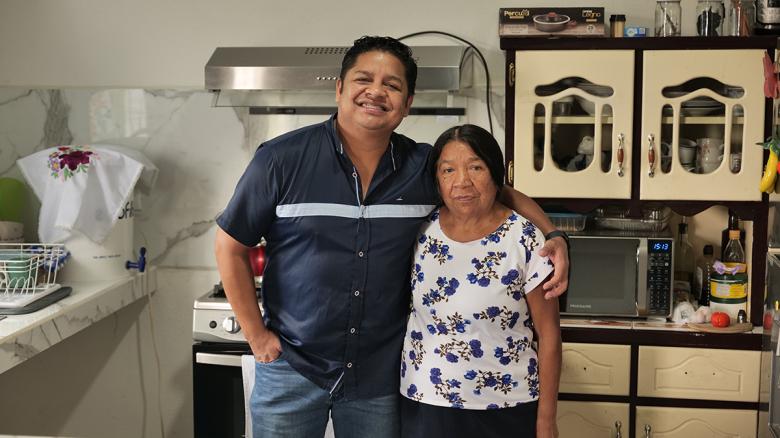
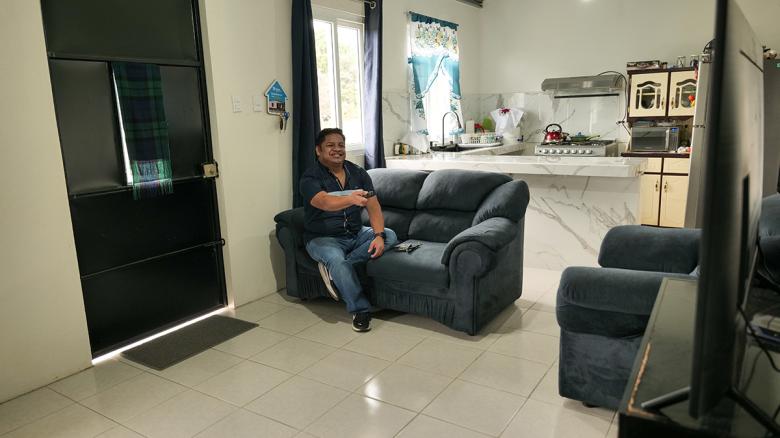
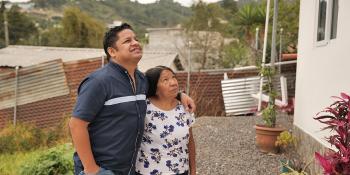
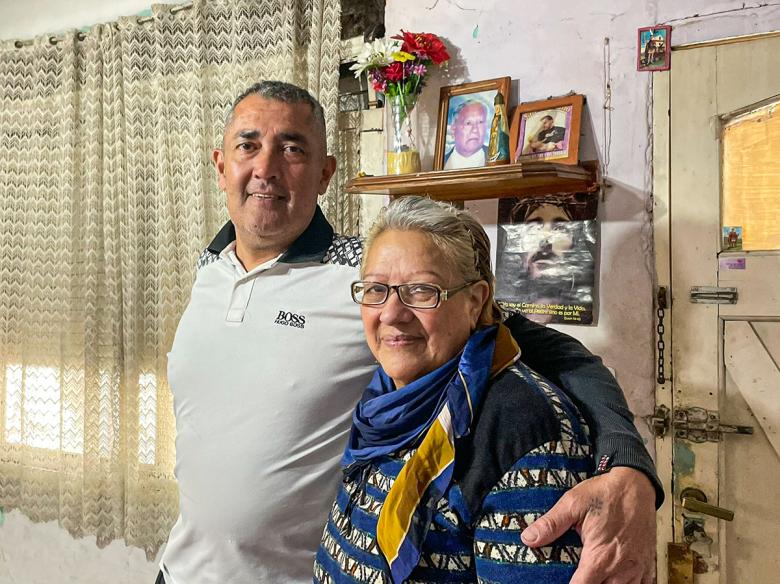
Kinha and his father, Vilmar, welcomed us into Vilmar’s home for the interview.
The first home
Kinha has always lived in the same area. As a child, his family consisted of his mother, his sister, and him.
Thanks to an inheritance, his mother was able to acquire a piece of land and build the home where she raised her children.
“It was an ordinary house, one of those prefabricated homes. It had two bedrooms and a bathroom. It wasn’t anything grand, but it was something we had achieved through a lot of hard work.”
After his mother passed away, Kinha’s father, Vilmar, came to live in the house. He contributed some money to make a few improvements and relied on a small pension to help cover expenses. However, not long after he arrived, tragedy struck.
The floods
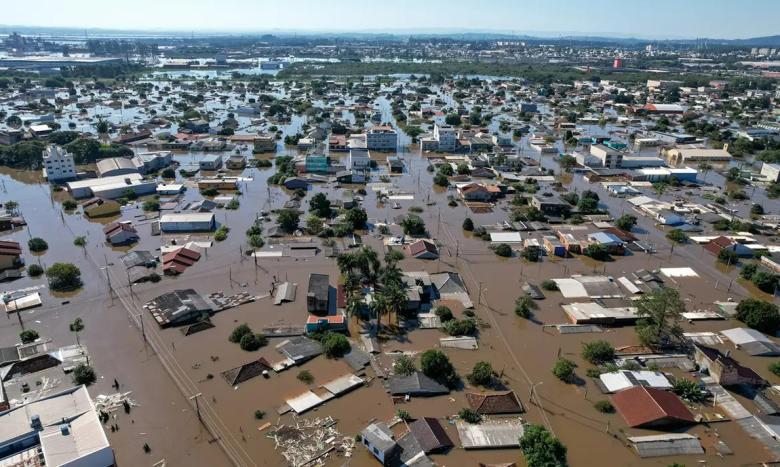
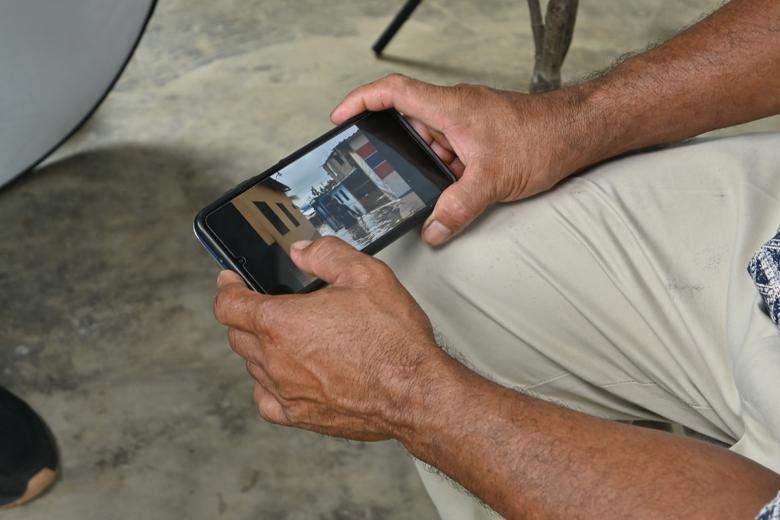
During the floods in Rio Grande do Sul, the homes were completely submerged.
“It started on a Saturday. I’ll never forget it, you know? There’s no way to forget. I don’t think anyone ever does. It wasn’t just any house. It was a good home. We used this entire space here.
I remember that at seven in the morning, my sister came to the gate, called me, and said, ‘Get all your things out!’ But everything looked normal. It was like sitting here, opening the gate, and seeing everyday life going on just as usual. She came and told me that, and I said no.
About five years earlier, there had already been a flood here, when the Feijó Creek levee broke. But back then, the water only reached that little gate over there. It was just a thin layer of water. In my mind, and I think everyone thought the same thing, this time would be no different. I told her, ‘No, the water won’t get here. I’m not leaving. It can’t happen.’
She came once. Then she came a second time, and I still didn’t believe her. The third time she came, she was already desperate. That’s when I went to the gate.
When I got there, it looked like a war scene. I could see people running. They were coming from uphill and running in that direction. But at that moment, I still couldn’t see any water.
When I stepped outside the gate and looked toward the corner leading to the community hall, I saw something surreal. I think that even if I live another hundred years, I’ll never be able to explain it. My sister said again, ‘Get your things out. Can’t you see the water is coming?’ [...] There was no time. No time at all. It was unbelievable.
When I saw the water approaching, I thought, ‘What am I going to do?’ So I started lifting everything. I put bricks underneath things and raised the refrigerator. I did it all by myself. [...] By the time I finished lifting everything, the water was already at the gate [...]. The only time that had passed was the time it took me to look toward the corner. There had been nothing there, and suddenly the water was already at the gate.
Since I had raised everything, I went up to my sister’s house. By then, there was already a crowd of people there. Of course, it was mostly people from the lower part of the community who had already been affected.
My sister asked me, ‘Where are your things?’ I replied, ‘I only lifted them.’ She said, ‘No, you have to take them out. You have to get them out.’ I answered, ‘No, I’m not taking them out. The water won’t rise that much.
[...] And then we lost everything. Everything, everything, everything, everything, everything. By the time I reached higher ground, the water had already passed the little market down there. It all happened so fast. It was so surreal that there’s no way to explain it. There just isn’t.
It was like a flood surge moving slowly, you know? The kind of flash floods we usually see on television come fast. This flood was like a slow-moving surge, creeping forward little by little, but... people didn’t believe it. The water just kept rising.
[...] After that, there was nothing left to do. Everything was flooded. I would come back here by boat to check on the house. Even in the middle of all that tragedy, people were still breaking into homes and stealing, you know? So we came by boat. The boat passed right over that fence there, our fence.”
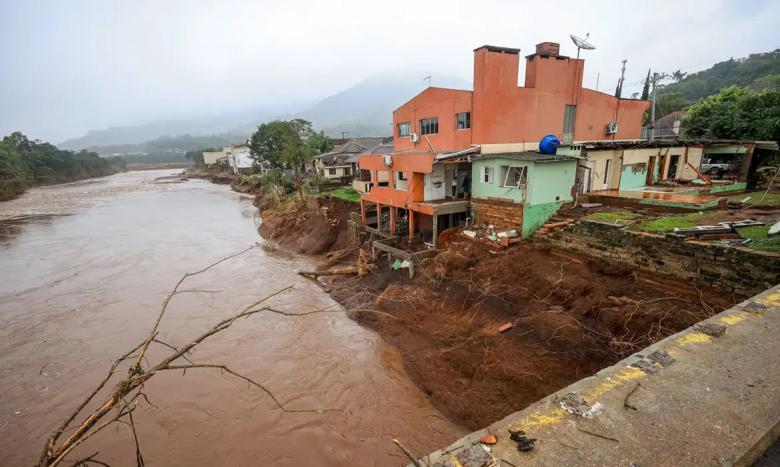
Many homes suffered structural damage in the aftermath of the disaster.
His father’s illness
After the flood, Kinha and his father sought refuge in a small house Vilmar owned near the beach. They remained there for three months while waiting for the waters to recede. Their home, located on low-lying ground, had been completely submerged. Later, they moved into Kinha’s sister’s house. The building had two stories, and the upper floor survived the disaster.
Their original home was left in very poor condition after the flood, and the family would return periodically to clean and remove debris. During one of these cleanup efforts, Vilmar injured himself and developed a blister in an area already affected by diabetes.
“Soon afterward, he developed an infection. He already had a small wound, and because he has diabetes, it kept getting worse and worse until they had to amputate his leg. It was another battle. We had no home, and he was dealing with that infection. In the hospital, they ended up amputating more and more of the limb little by little. The situation was very cruel, you know? He lost his leg, and we still had nowhere to go.”
For a month and a half, the hospital became their new home. By that time, Kinha had already left his job at a bus company because a knee condition prevented him from remaining seated for long periods. Although he had hoped to use that time to rest while waiting for surgery, that was not possible. Instead, he found himself caring for his father, placing even greater strain on his own health.
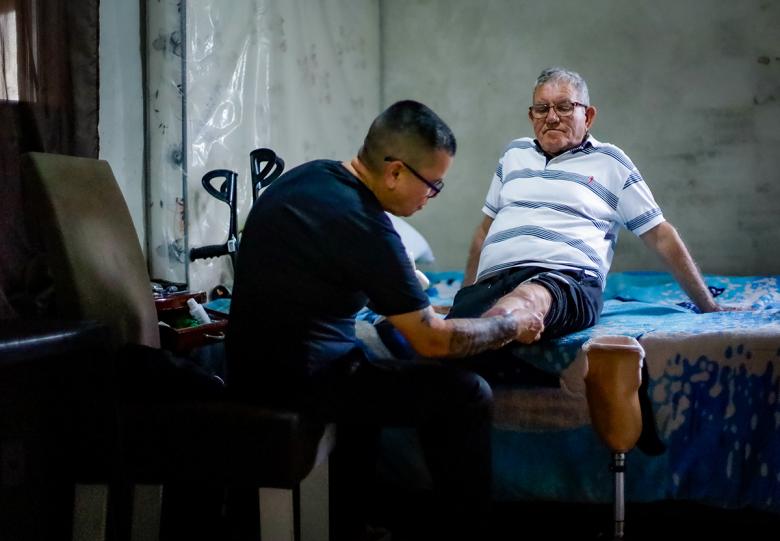
“He still depends completely on me for everything, everything, you know? My days are spent constantly taking him to and from AACD, the Association for Assistance to Children with Disabilities, because he attends physical therapy, psychologist appointments, and other treatments. So I’m the one who takes care of all of that and goes everywhere with him.”
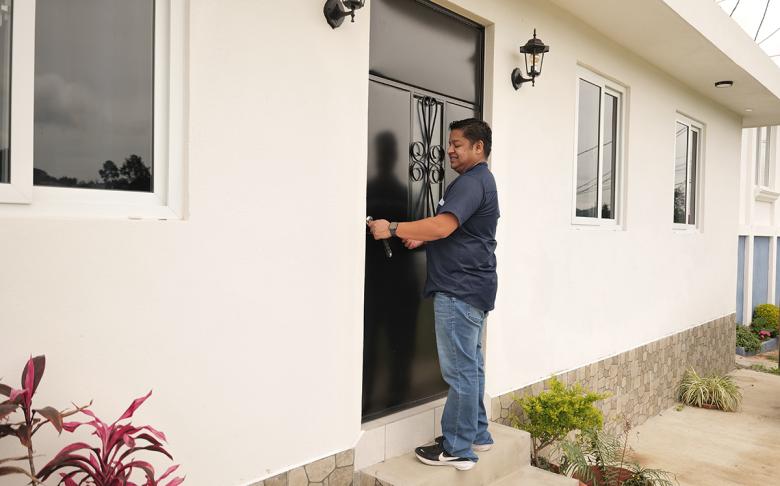
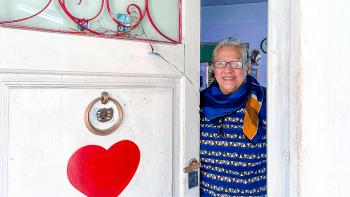
Let’s open the door to a new home
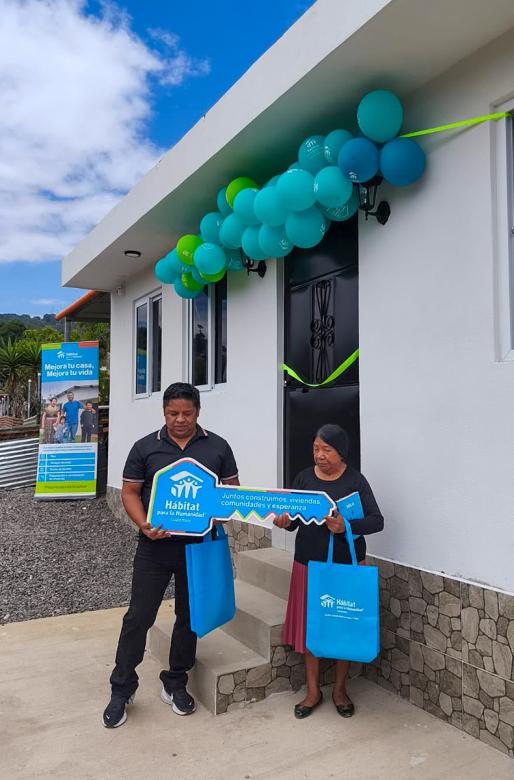
With the support of Aline, who was involved in a Habitat project, Kinha and his father began the application process for a home. The family had already started rebuilding Vilmar’s house, but only the unfinished structure was in place.
“Then Habitat came along, and it was a blessing in our lives. They arrived, and I still get emotional when I remember it. You see so many things that remain nothing more than promises, promises, and more promises. Then, suddenly, you see it all becoming a reality. It was wonderful. It is wonderful. As I always say, to this day, I feel nothing but gratitude for this project of yours.”
Habitat’s work included installing the roof trusses and completing the roof.
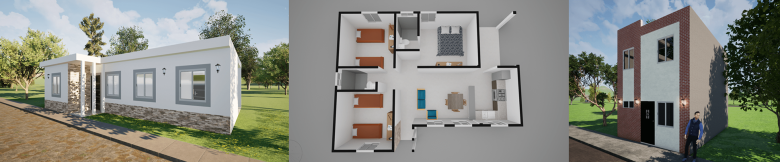
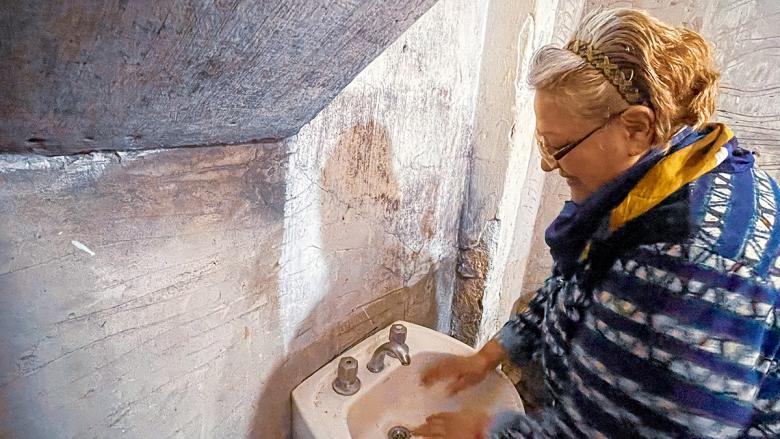
To support Vilmar’s independence, an accessible bathroom was built with a doorway wide enough for wheelchair access.
The house also provides sufficient space for him to move around and includes an access ramp.
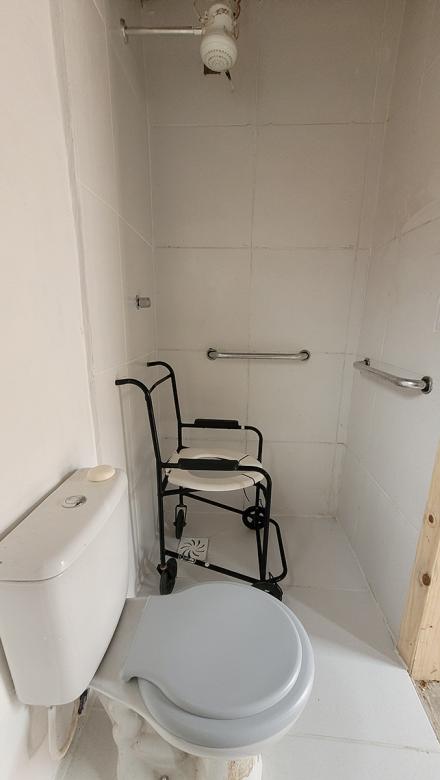
The home’s new bathroom has been adapted to meet Vilmar’s accessibility needs.
The work still to be done
Although his father’s situation has improved, Kinha continues to live in the house that was destroyed by the floods.
“My situation there is precarious. Every time the wind blows or it rains, my heart starts racing. But I have faith that everything will work out. Everything in its own time. That space was really improvised, just so I could stay there and he would not be alone here, you know?”
Toward the end of the interview, Kinha enthusiastically tells us that hope has also arrived for him. He has been selected for the program, and improvements to his home will begin soon.
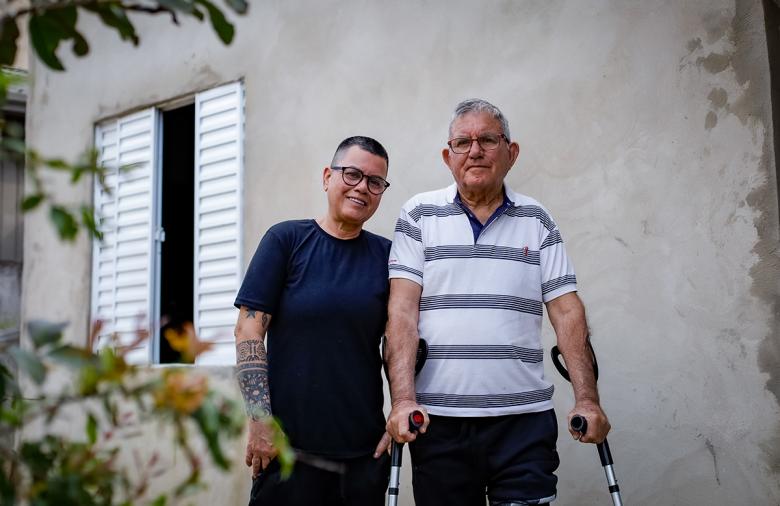
““Today, he has his little home here, thanks to Habitat and everything they did, and I will rebuild my life. But for now, I have always wanted to make him my priority. Everything is all right. God knows the right time for everything.”
Together, we build new opportunities
Kinha is one of the 16 Voices representing us as Habitat for Humanity marks its 50th anniversary. His story reflects inclusion, resilience, and strong family values. Let’s open the door to hope for Kinha and many other families. If you would like to support our work in Brazil, you can donate or contact us to explore opportunities for your company to get involved.
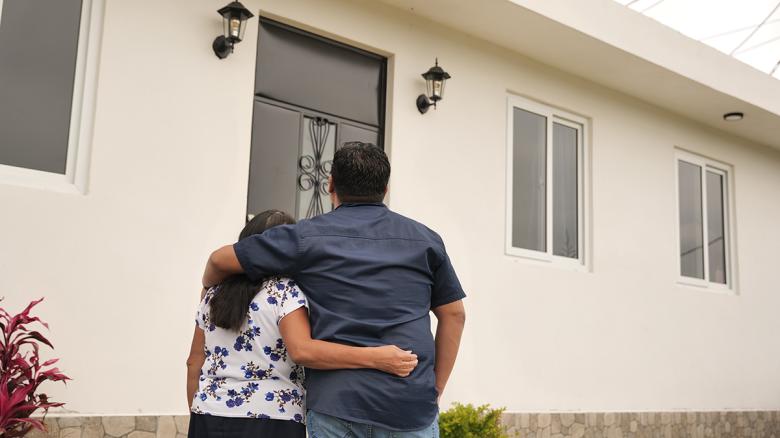
“My message is simply one of gratitude. I don’t have many words. There is truly no way to describe what it feels like to receive something like this. We never imagined we would receive what we did. We never imagined that, after everything we went through, we would one day have what we have today. We never imagined it.”
Versión en español
16 voices
Kinha, Brazil