Home at What Cost?
A global report on how housing shapes safety, well-being and life’s biggest decisions
Habitat for Humanity’s new global housing report Home at What Cost? moves beyond traditional measures of affordability to examine the hidden costs of housing, from the sacrifices people make to the impact on their health, safety and ability to plan for the future.
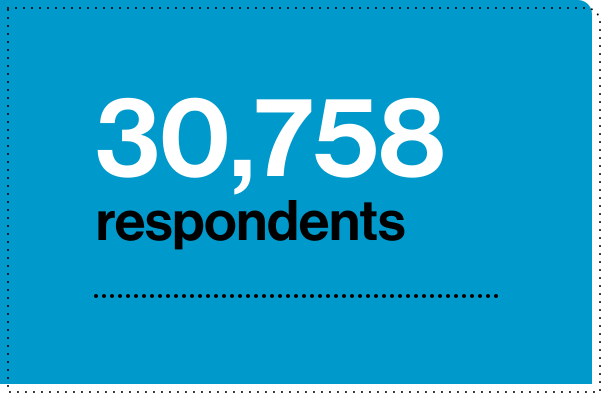
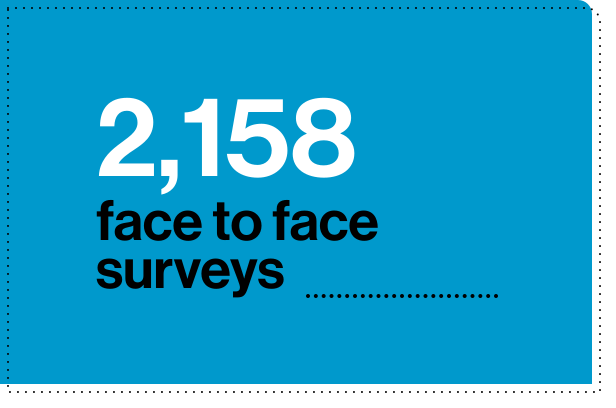
One of the most inclusive global housing surveys conducted to date, the research draws on nationally representative public polling to better understand how people experience housing in their daily lives.
We commissioned this research surrounding our 50th anniversary to deliver new evidence and insights that inform the future of our work and open doors to housing solutions across sectors.
Housing pressure is reshaping everyday life through hidden costs.
Read the full report
Explore the complete findings, country-level insights and recommendations from one of the most inclusive global housing surveys conducted to date.

Key findings
Affordability is only part of the story. Our research reveals that the full cost of housing includes not only what people pay each month, but also what they are forced to give up.
Three-quarters of respondents globally (75%) say they have cut back on at least one expense in the past year to afford housing costs.
One-third (33%) have spent less on food or groceries, 32% have used savings or emergency funds, 31% have taken on additional work, and 13% have delayed or avoided medical care.
Click on the interactive map to explore by country.
Housing pressures are costing people their health and well-being.
Housing is widely recognized as a social determinant of health. When housing is unaffordable, unsafe, inadequate or insecure, there is a cost to well-being itself.
The promise of home is relief. Yet for many people, housing has become a source of stress rather than stability.
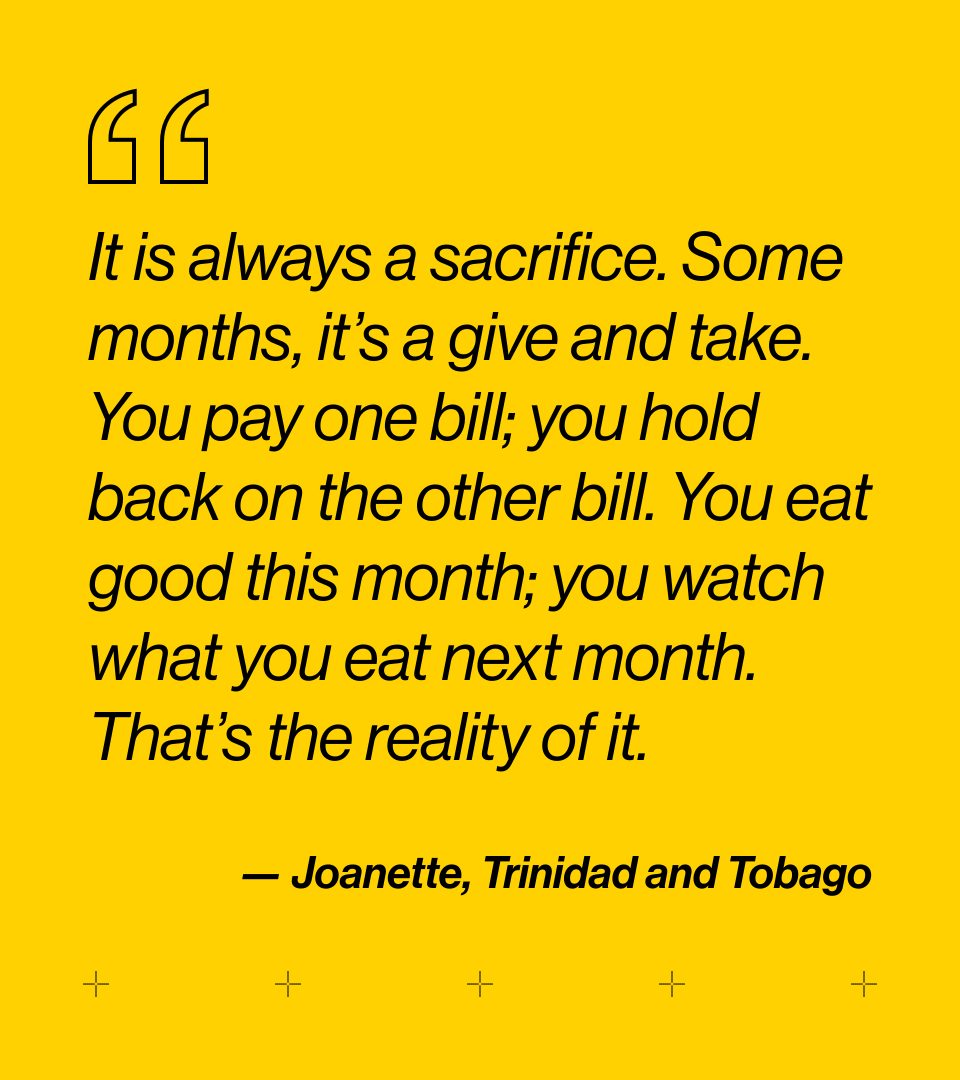
Housing pressure is rarely a single event.
It is made up of the ongoing sacrifices people make to keep up: cutting back on essentials, taking on more work, using savings or postponing important plans.
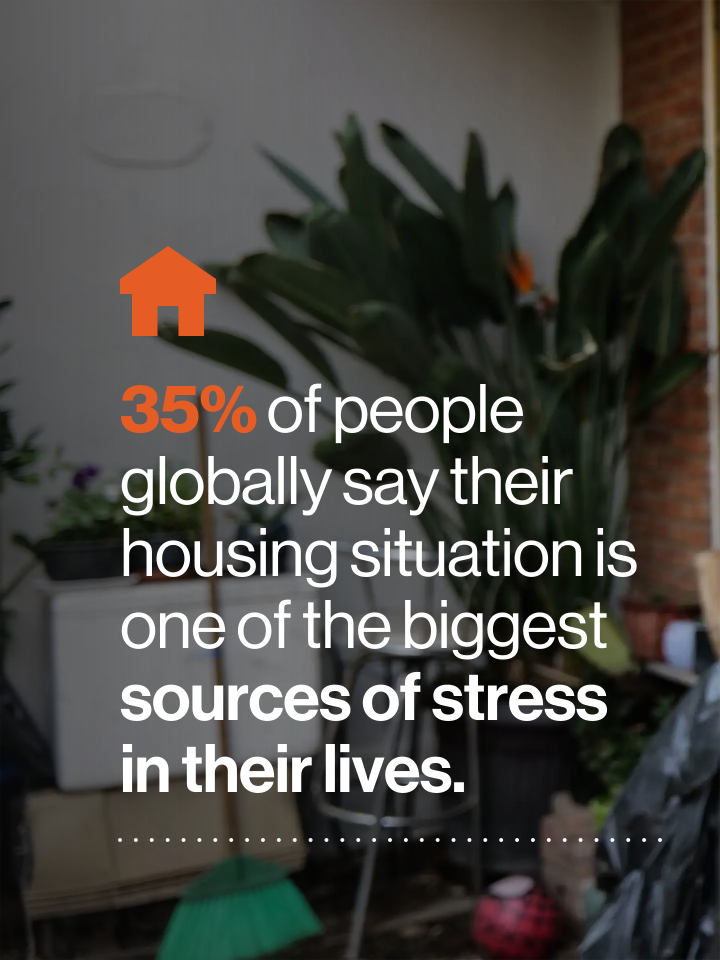
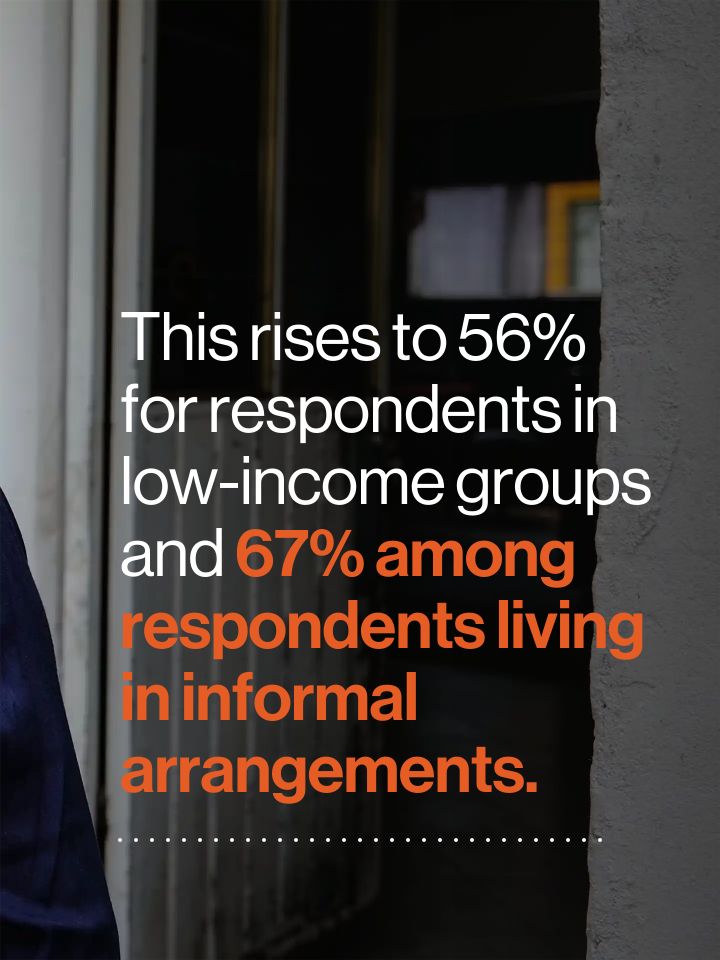
The challenge is not only finding housing but also keeping it.
Over time, housing pressure becomes a persistent mental burden rather than a one-time financial setback. These costs shape how people experience everyday life.

Housing costs are putting futures on hold.
Housing should provide a stable foundation from which people can move forward. Instead, for many, rising housing costs are making major life decisions harder to reach.
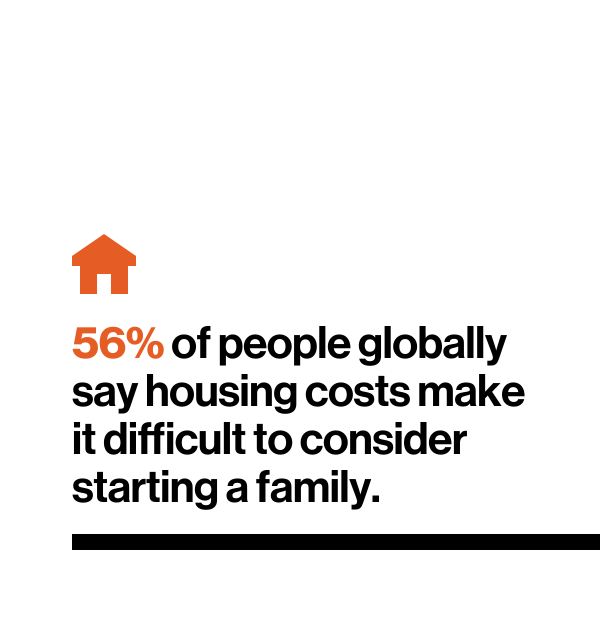
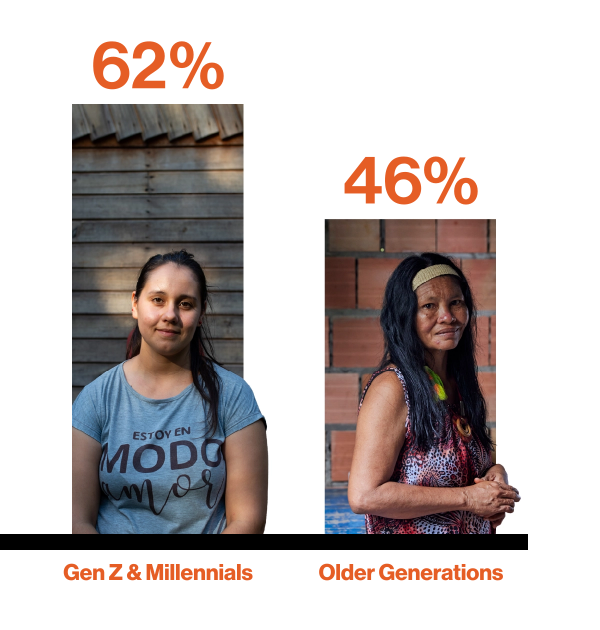
For many people, maintaining housing stability means putting other plans on pause. When housing takes too much from the present, it steals from the future, too.
People may wait for a home that feels affordable, suitable or stable enough before making decisions about marriage, children or other major life milestones. As that housing milestone moves further out of reach, other milestones often move with it.


Where homeownership feels out of reach:
Percent of non-homeowners who say they don’t expect to own a home in their lifetime.
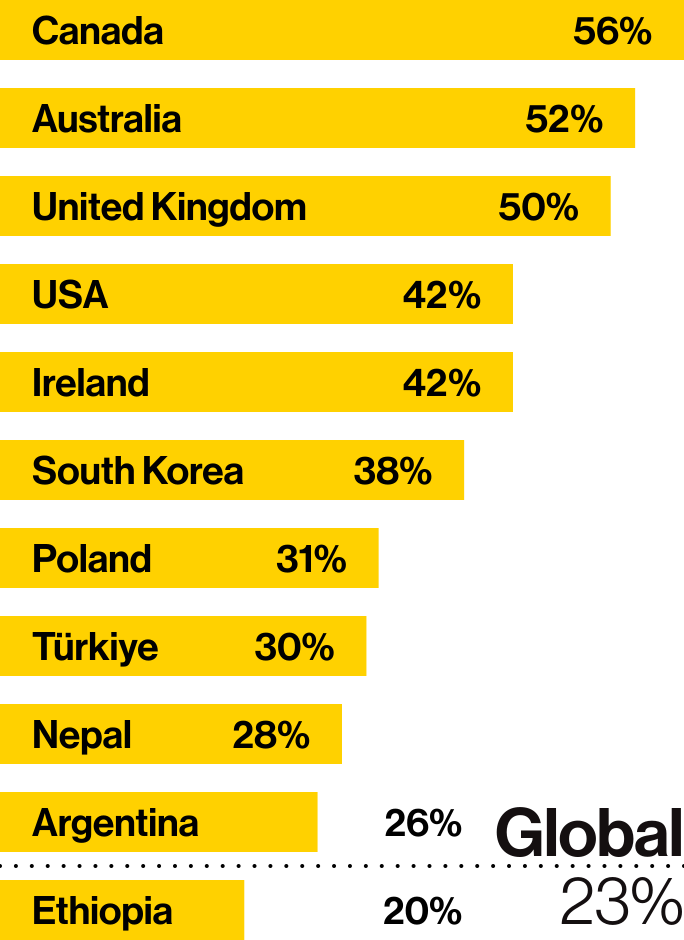
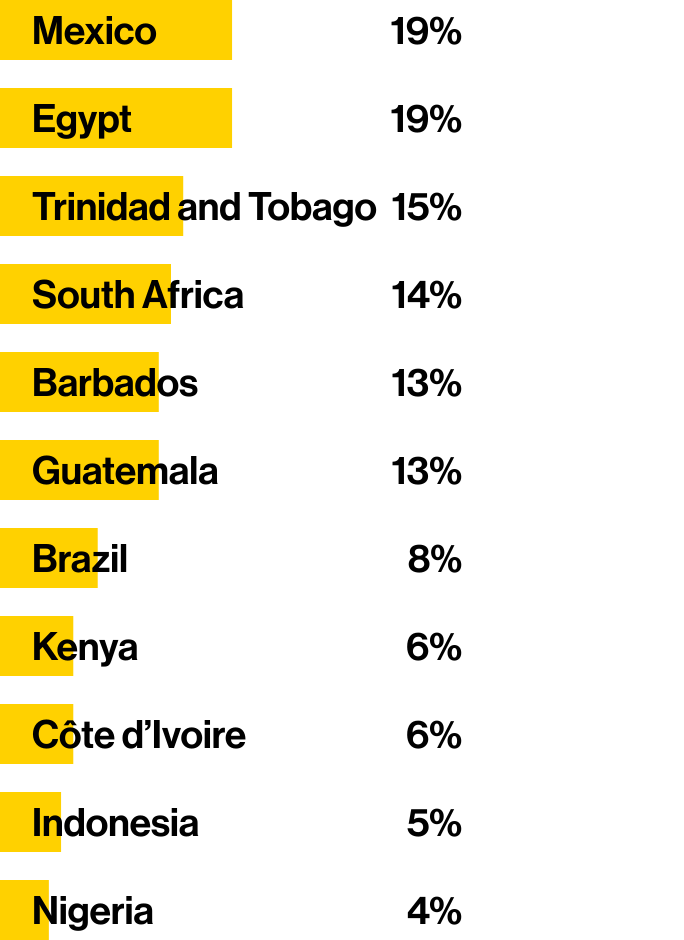
Homeownership is not the only route to a secure future. Stable renting, secure tenure and other housing arrangements can provide continuity and control. But for many respondents, ownership remains closely tied to long-term security and the ability to leave something behind.
The tension is not that everyone wants the same housing outcome. It is that one of the clearest paths people associate with stability feels increasingly difficult to reach.
For parents and guardians, housing pressure is not only about their own future. It is also about what they can provide for the children in their care.
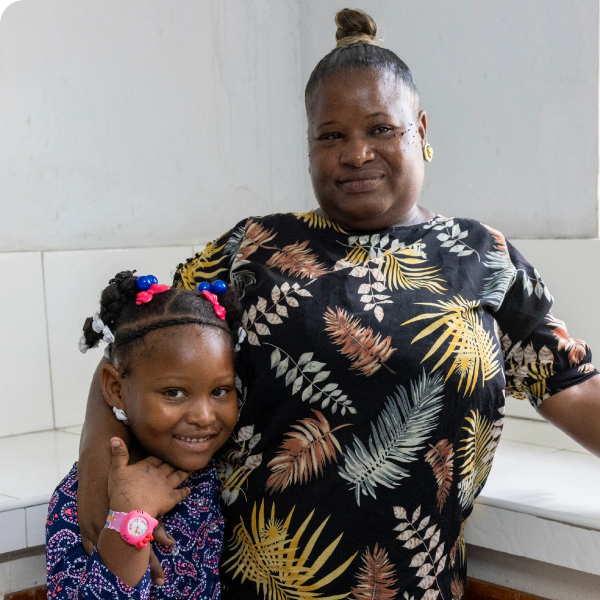
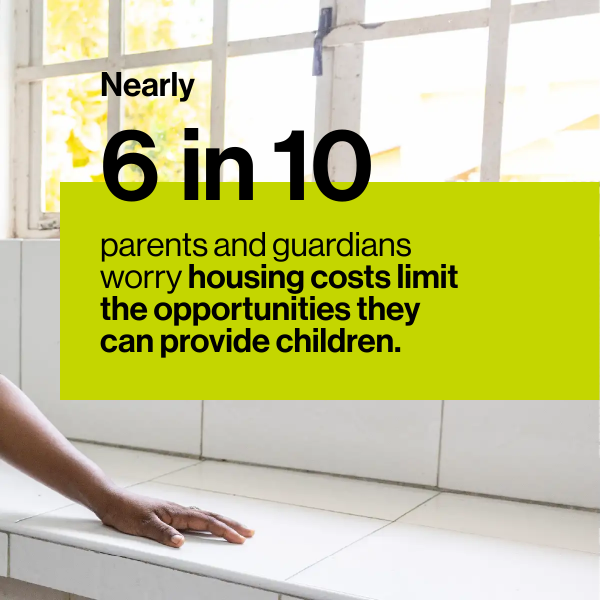
The pressure is also sharper for renters. Sixty-eight percent of renters worry housing costs limit children’s opportunities, compared with 54% of homeowners.
For many people, housing is shaping decisions about relationships, family, education, career opportunities and long-term stability. When housing costs force people to delay or abandon the future they envision for themselves and their children, the impact extends far beyond housing itself.
Safety is part of the price people are paying for housing.
A home cannot eliminate every danger beyond its walls. Conflict, violence, crime, discrimination and environmental hazards remain. But housing can either reduce people’s exposure to risk or deepen it.
The quality of a home, its location, privacy, security, resilience and residents’ ability to seek help all shape whether people feel protected when something goes wrong. The research shows that many people are forced to compromise their safety.

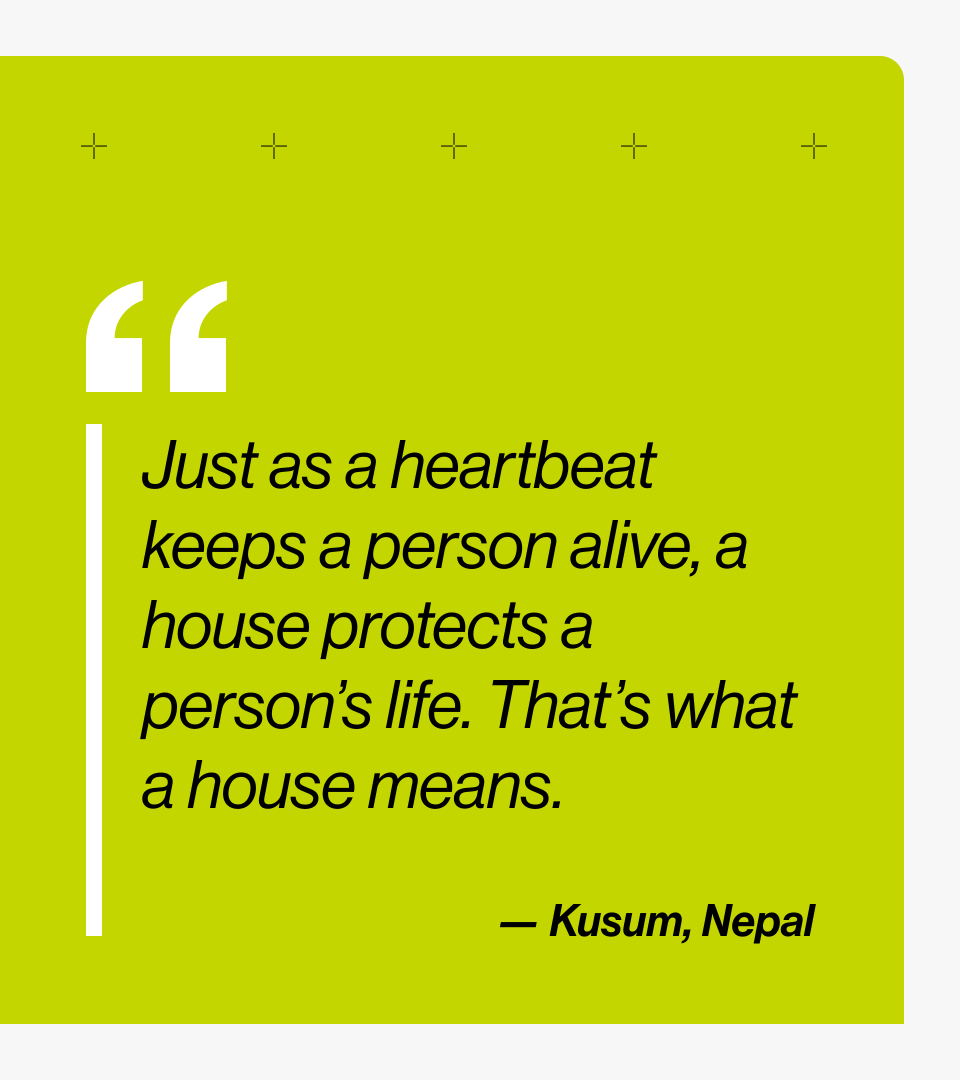
When safer options are out of reach, people are often left balancing affordability against security, stability and peace of mind.
The climate crisis is increasingly affecting housing safety.
As extreme weather becomes more frequent and severe, safety increasingly depends on whether a home can withstand heat, cold, flooding, wind and rising water. A safe home is not only protection from today’s risks. It is preparation for the next shock.
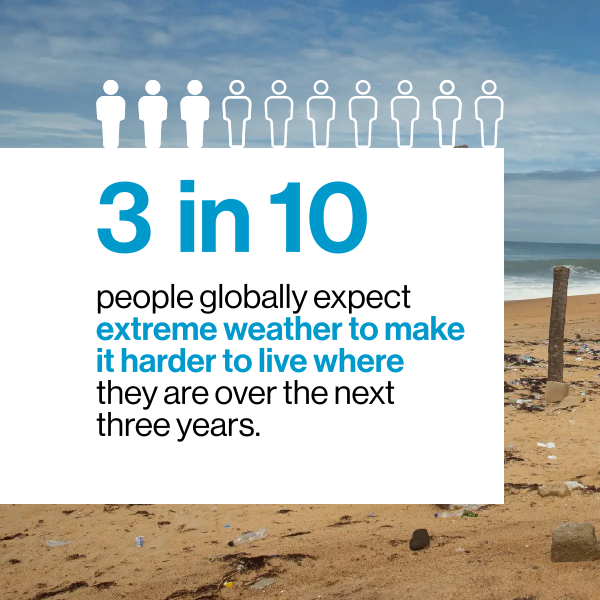
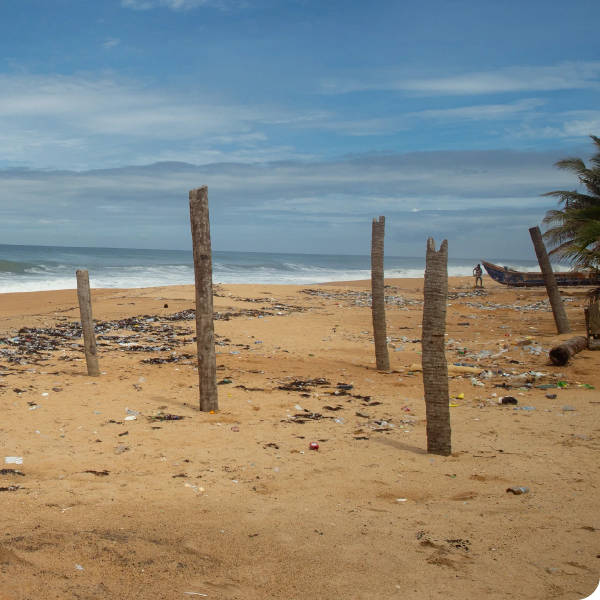
These findings reflect both the hazards people face and how confident they feel that their housing can withstand them. Resilience depends on local climate exposure, construction quality, current condition and whether people can afford to repair or adapt.
For many people, the challenge is not only finding a place to live but also finding a home strong enough to withstand the risks around it and having the resources to repair, prepare and adapt over time.
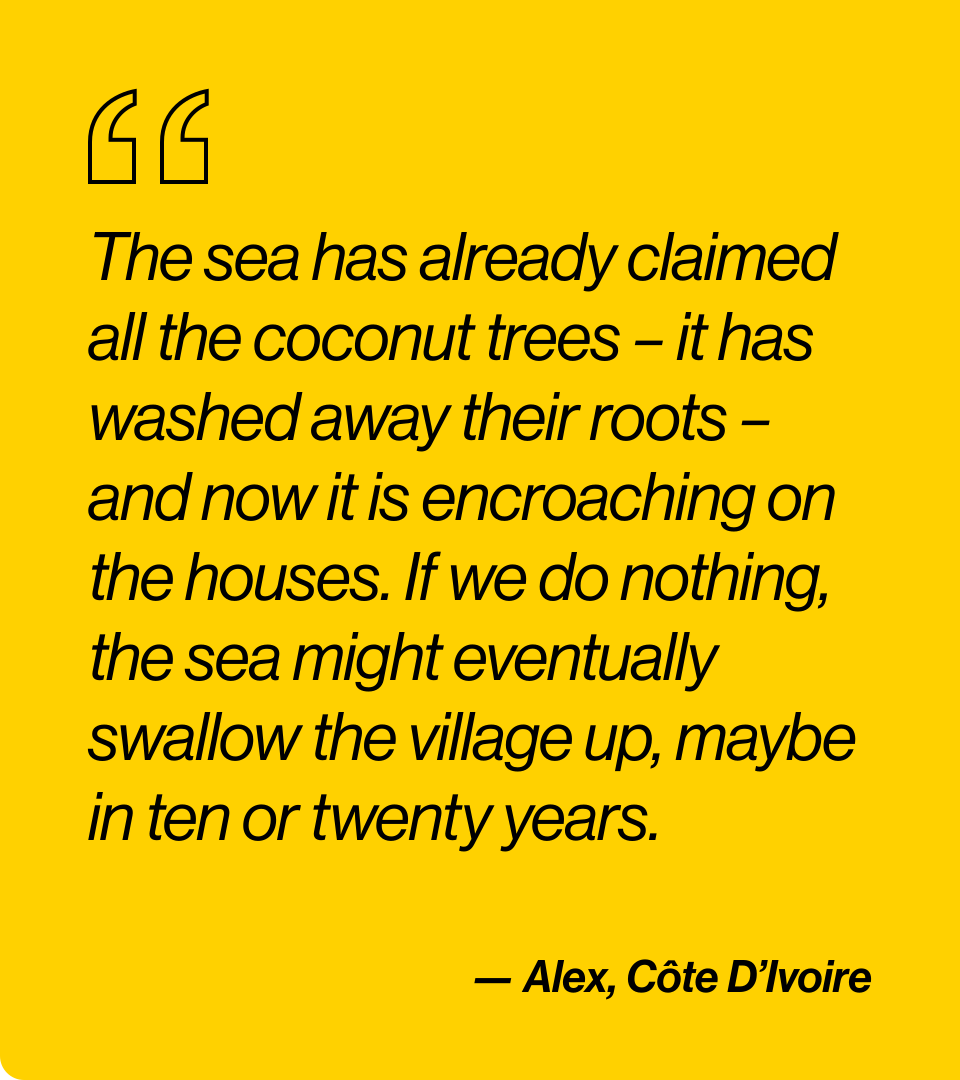

People want housing systems that work.
The things that divide us often grab headlines. Yet our survey finds remarkable agreement about the importance of housing and the need for systems that work better for everyone.
An overwhelming majority: Although housing conditions differ substantially across the countries surveyed, people agree on the promise of home.
At Habitat for Humanity, we believe in a world where everyone has a decent place to live. This survey suggests that people around the world largely share that vision.


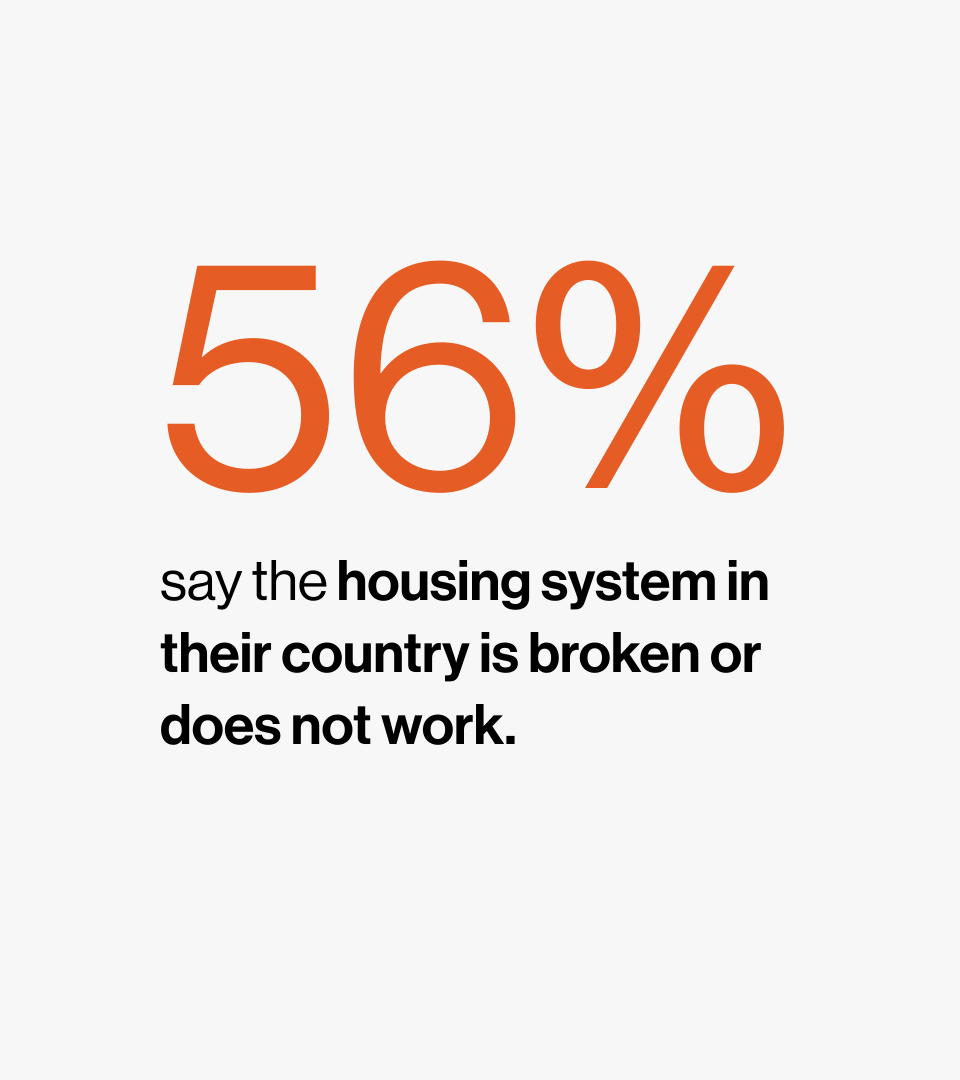

Systemic failure: These findings reveal a widespread gap between the housing people believe they need and the pathways available to achieve it. That gap matters because when better housing feels out of reach, people are left absorbing the hidden costs of housing pressure in their daily lives.
Housing shapes far more than where we live. It shapes how we live.
People’s hopes for housing are not vague. They point to practical changes: lower costs, fairer access to loans, homes that can be maintained and repaired, stronger tenant protections, and support that reaches people before housing challenges become crises.
The challenge ahead is to turn these new insights into action.
Take action
These findings reinforce our belief that safe, decent and affordable housing is more than shelter; it is the foundation for healthier lives, stronger communities and greater economic opportunity. While housing challenges differ from country to country, the research demonstrates that the need for better housing is global.
Governments, private-sector businesses, civil society and individuals all have a role in shaping whether people can access housing that expands their choices rather than limiting them.
Individuals
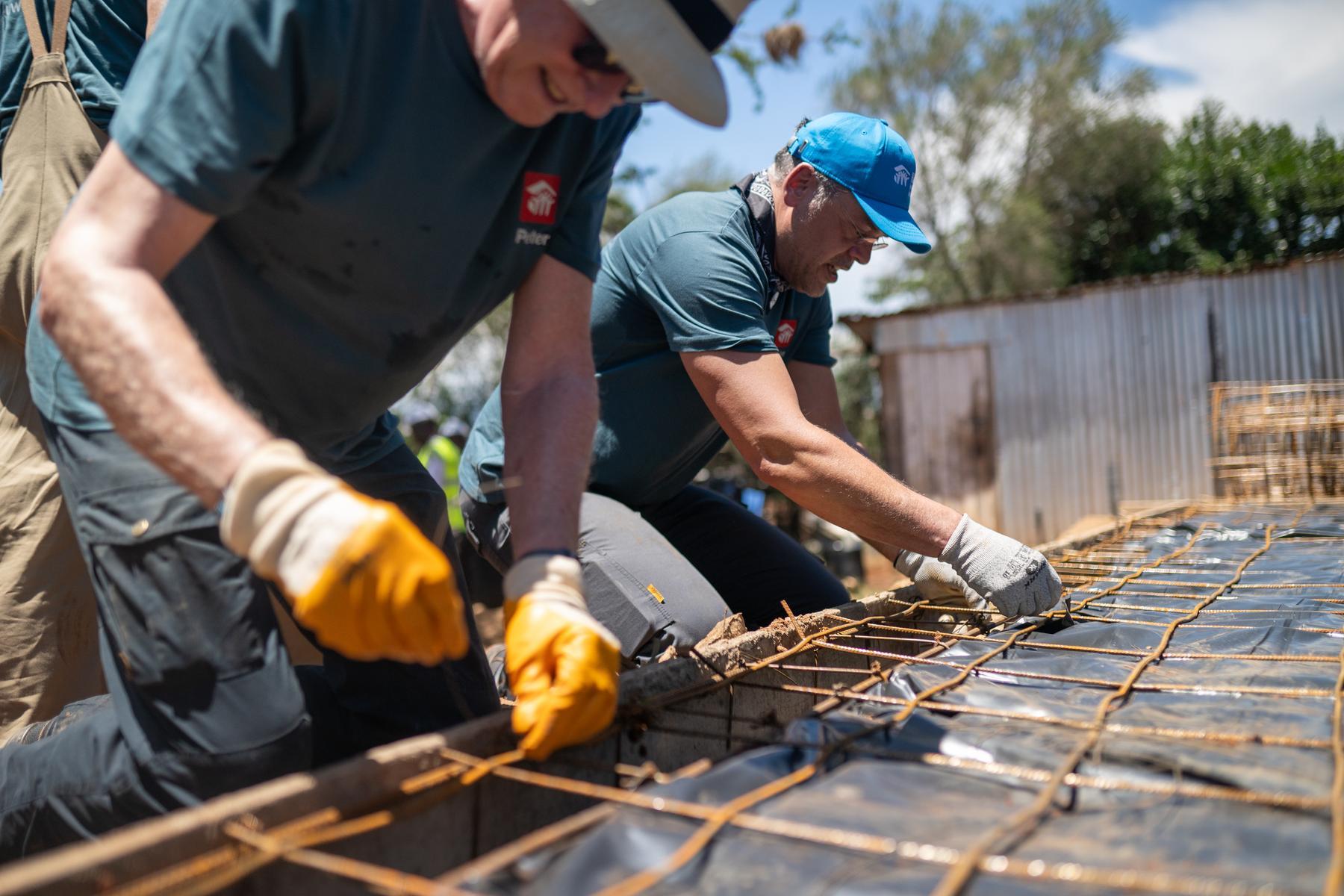
Use your voice as an advocate, share your skills as a local volunteer, and activate your network to contribute to housing solutions.

Partners
Turn evidence into action and center community leadership and lived experience in decision making.
- Use evidence to urge policy change and accountability
- Center lived experience and community leadership
- Build pathways for individuals to take action
Governments
Move from housing promises to pathways by sustaining political commitment for housing, establishing housing as a long-term policy priority and closing the finance gap.
- Invest across the housing continuum
- Remove barriers to housing access
- Monitor and measure housing stability and needs
Private sector
Innovate to deepen the reach of finance, for example by designing financial products around how people secure and improve their homes.
- Innovate to deepen the reach of finance
- Invest in homes through microfinance and other loans
- Commit to social reporting on housing investments
Ready to learn more?
Go beyond our key findings.

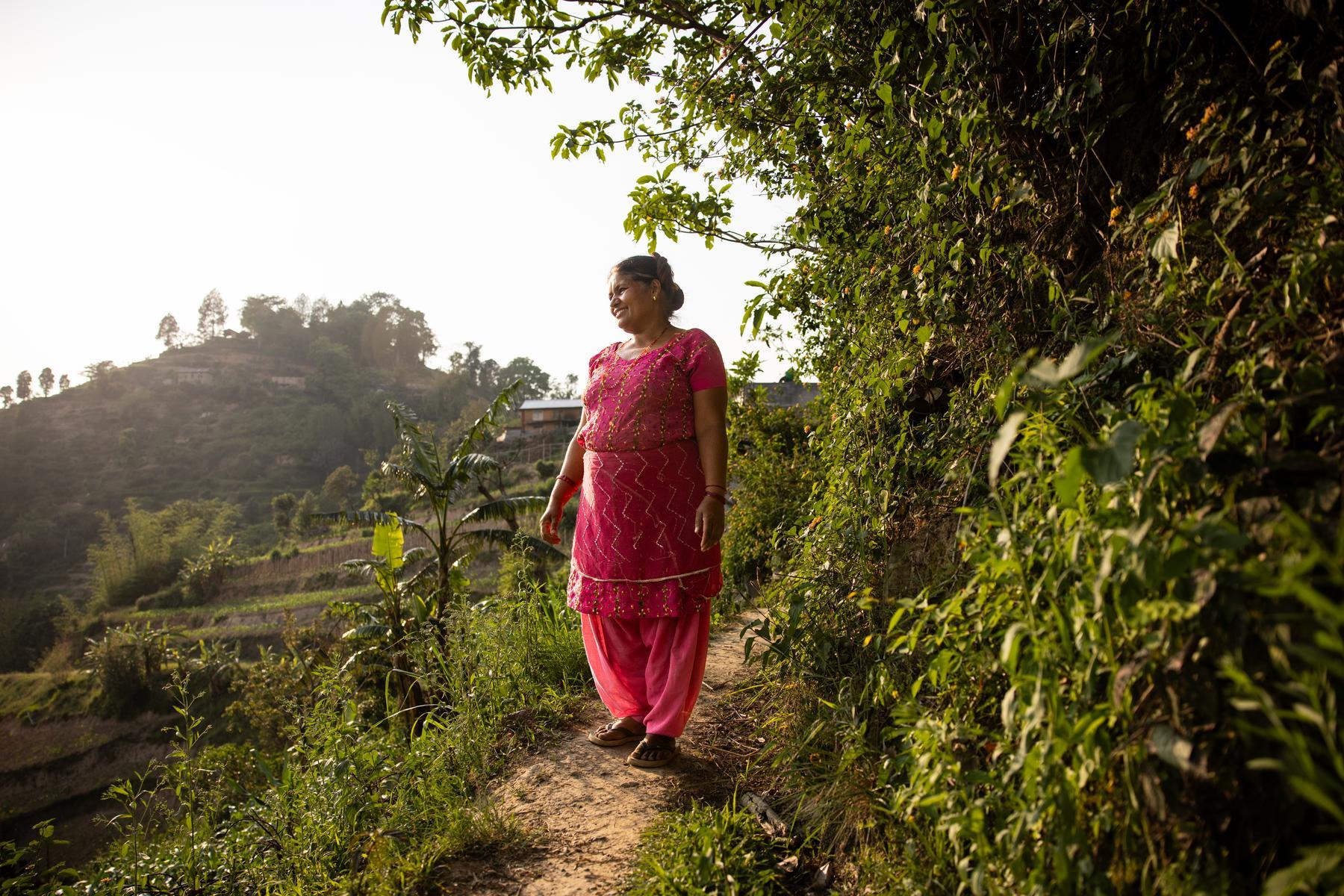
Behind every statistic is a person.
About
This global survey was conducted between April 10 – June 30, 2026.
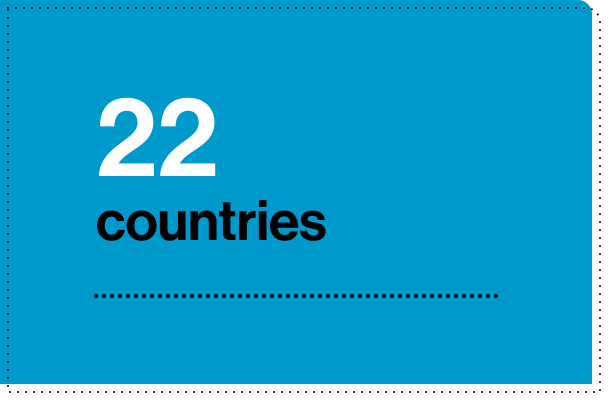
Twenty-two countries were included in the research: Argentina, Australia, Barbados, Brazil, Canada, Côte d’Ivoire, Egypt, Ethiopia, Guatemala, Indonesia, Ireland, Kenya, Mexico, Nepal, Nigeria, Poland, South Africa, South Korea, Trinidad & Tobago, Turkey, the United Kingdom and the United States.
Read the full report to explore the global findings and recommendations.
