
Habitat for Humanity Careers
Join a movement of people around the world working together to build homes, communities and hope.
At Habitat for Humanity International, we are compelled by our Koinonia roots to put God’s love for all into action and pursue housing equity and opportunity by bringing all people together to build community and drive impact. We strive to build a culture rooted in learning, accountability and trust, attracting and retaining mission-driven talent reflective of the global communities we serve.
As an equal opportunity employer, we realize our success depends on courageously committing to being a workplace where all staff feel safe, welcome, visible, respected, supported and valued, and building a workforce that reflects a variety of lived experiences, backgrounds and perspectives, in which every person experiences dignity and respect.
Across Habitat’s many networks, we’re working together to support the life-changing mission of connecting families and communities with the transformational impact of decent, affordable shelter.
Learn more about and apply for many different types of opportunities with Habitat, including our current employment, volunteer and internship opportunities below. You can also search for open positions with Habitat for Humanity affiliates, as well as positions with our national organizations located outside the United States.
Open positions
Learn about our position types
AmeriCorps
Consultants
Contingent-funded
Disaster recovery
Internships
Volunteers
Employee offerings and benefits
Habitat for Humanity International’s total rewards philosophy is to competitively compensate our employees for contributing to our role as a leading global nonprofit working in local communities across all 50 states in the U.S. and in more than 60 countries.
Ethics and safeguarding
In accordance with our foundational mission and principles, we are committed to the highest ethical standards and oppose all forms of abuse, discrimination, exploitation and harassment.
We require that each staff member takes seriously their ethical responsibilities to safeguard the children and at-risk adults in communities where we operate, as well as all other staff, partners and volunteers. We expect that each person will create and maintain operational, programmatic and workplace environments that are safe, inclusive and healthy for everyone. In line with our safer recruitment practices, staff members must pass a thorough background screening and will be held accountable for upholding our policies around ethical behavior, including child and adult safeguarding and whistleblowing.
Equal opportunity
Habitat for Humanity International is committed to building a diverse, inclusive workforce, and that begins with our talent acquisition team. We endeavor to reach diverse audiences for our openings, are committed to having diverse interviewer panels for candidates and work to educate hiring managers about important issues such as unconscious bias and how to conduct fair and equitable interviewing and hiring processes.
In alignment with our core values, we strive to keep our recruitment processes consistent and fair. To request a disability accommodation related to completing a position application please contact [email protected] and include “Disability Accommodation” in the subject line.

Habitat for Humanity is dedicated and committed to building a diverse workforce and inclusive culture. As a result of our ongoing efforts, Habitat for Humanity has been periodically awarded various employer of choice designations.
Why we love Habitat
Hear what those in our organization love about working at Habitat!
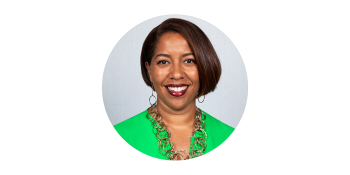
Natosha Reid Rice
Vice president, Housing Opportunity and Mission Engagement
“You all feel as though you are working toward a common mission that gives you a sense of purpose, a sense of passion. We’re actually part of something bigger than ourselves. We’re part of a movement.”
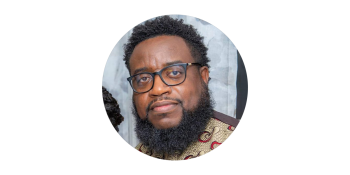
Snorwlor Bropleh
Global Programs
“Professionally, for me, I think Habitat offered me the opportunity to really grow and stretch my skills.”

Ronald Ongopa
Individual Giving
“I’ve seen families transform. I know for a fact it changes lives.”
Habitat for Humanity International is an E-Verify employer.
E-Verify information (English/Spanish) | Right to work (English/Spanish)
Explore the positive impact Habitat for Humanity International employees help make in the world everyday through our pages below!
-

We believe in a world where everyone — no matter who we are or where we come from — deserves a decent place to live. Habitat’s leaders have committed to creating a space where people of all races, all faiths and all backgrounds come together in common cause.
-

View our policy solutions to help remedy years of discriminatory housing policies and join us in helping to ensure all families have a stable, affordable place to call home.
-

By partnering with Habitat, families and communities transform their lives with the incredible effects of safe and affordable shelter, including improvements in health, safety, child development, economic opportunity and educational achievement.
-

Habitat’s +You thought leadership series brings together experts from around the world during live streaming events as they inform and educate our audiences about significant and pressing issues in housing today.