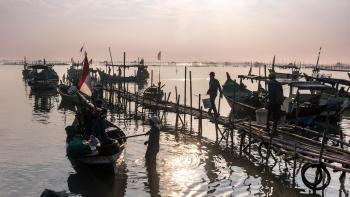
Climate-Resilient Coastal Homes
Delivering climate-resilient housing, clean water, sanitation and secure livelihoods for fisherfolk families in Campurejo Village


Challenges
Families rely on fishing, which is seasonal and weather-dependent. During drought months, incomes are low or unpredictable, making it difficult for families to save or access loans for home improvements.
Government housing programs are often inaccessible because of strict eligibility criteria, often requiring stable income or formal documentation which many fisherfolk cannot provide. Local funds that could help are rarely used for housing support.
Infrastructure and basic services remain limited. Many homes lack clean water, proper sanitation and reliable electricity, worsening living conditions and increasing health risks. Being a coastal community, members are highly exposed to natural hazards such as coastal erosion, flooding, and storms.
Building safe, durable homes remains challenging due to the high cost of disaster-resilient construction.
Rising land prices and low awareness of housing rights further prevent residents from securing safe, adequate, and affordable housing.
Solution
This project will improve housing conditions for low-income communities struggling with poverty by combining advocacy, community engagement, and direct interventions.
Barrier-free, climate-resilient housing improvements will enhance safety, comfort, and sustainability, while integrated infrastructure upgrades, such as clean water, sanitation, and ventilation, will increase livability. Our approach includes:
- Advocate for policy change and technical guidelines so village funds (APBDes, local funds used to support local governance, development and community empowerment) can be used for adequate housing, supported by policy briefs, workshops and consultations with government, universities and research partners.
- Engage and empower communities — including fisherfolk, persons with disabilities, youth and local leaders — in planning, monitoring and decision-making, ensuring housing solutions meet real needs.
- Build and upgrade homes with climate-adaptive, disaster-resistant designs, including passive cooling, improved roofing, insulation and ventilation, while training families in safe construction and healthy housing practices.
- Improve basic services and infrastructure — clean water, sanitation, drainage — based on community priorities, with support from government and private sector partnerships.
- Promote affordable housing finance through microfinance institutions, cooperatives and credit unions to enable families to repair or upgrade homes.
- Raise awareness on housing rights, climate-adaptive solutions, and financing options through community meetings, radio, and online media.
- Collaborate with universities and civil society to research, test, and refine housing solutions for long-term sustainability and replicability.
Timescale: The project will be completed within 18 months.

Results and benefits
A total of 25 new homes will be built with passive cooling designs, and 13 substandard homes will be upgraded using the same approach. Access to clean water will be expanded to 124 households, and 20 families will gain safe, private sanitation facilities, reducing health risks and improving daily living conditions.
248 community members will be trained in safer construction, passive cooling, hygiene and climate-adaptive practices to strengthen local skills and strengthen community resilience.
Policy advocacy at the Gresik Regency level will support the adoption of a Regent Regulation and technical guidelines, enabling village funds to be used for housing and expanding benefits to many more families.
Long-term impact
Families will benefit from safer, healthier and cooler homes, reducing heat stress and climate-and-hygiene-related illnesses.
Skills gained through training will help families maintain resilient homes and spread better construction practices across the community.
Advocacy with government, donors and universities will support lasting policy changes, enabling Gresik Regency to scale inclusive, climate-resilient housing solutions beyond the project’s direct reach.
Scale-up
With additional co-funding, this project could reach more low-income families in Campurejo, providing safe, climate-resilient homes and improved access to water, sanitation and community skills. Please get in touch to request a detailed proposal.
-
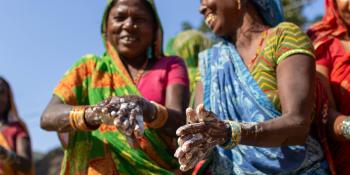
When you co-fund a project, you help transform lives. By building housing, we build beyond the physical homes: adequate living conditions have a powerful impact on the livelihoods, health, education and more of households and communities.
-
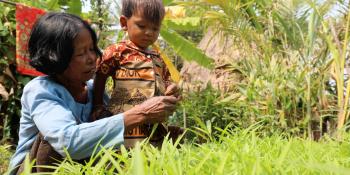
Half of the global population living in poverty resides in Asia and the Pacific. To help address these issues, Build Beyond funds locally led initiatives to transform lives through improved housing conditions.