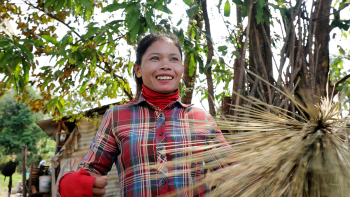
Empowering communities with the MAATCH Project
Mobilizing Appropriate and Affordable Technology and Capital for Housing, or MAATCH, equips vulnerable communities with safe, climate-resilient housing and livelihoods

Challenges
Vulnerable populations face overlapping challenges of economic insecurity, unsafe and overcrowded housing, inadequate construction, limited WASH services, and climate-related hazards. Nearly 39.7% of urban residents live in slum-like conditions, lacking clean water, sanitation or secure tenure.
In rural areas, many households live in poorly constructed homes made from bamboo, thatch, or low-quality wood with weak foundations, leaky roofs and inadequate walls, leaving homes too hot, cold or damp, with poor ventilation and limited privacy.
Limited government funding and inefficient policies leave landless and at-risk groups excluded from formal housing markets and policymaking. Nearly 18% of the population lives below the poverty line, highlighting economic barriers to accessing safe and resilient housing. These underscore the need for affordable, climate-resilient housing, secure tenure, access to basic services and inclusive community empowerment for women, the elderly and persons with disabilities.
Vulnerable populations face overlapping challenges of economic insecurity, unsafe and overcrowded housing, inadequate construction, limited WASH services, and climate-related hazards. Nearly 39.7% of urban residents live in slum-like conditions, lacking clean water, sanitation or secure tenure.
In rural areas, many households live in poorly constructed homes made from bamboo, thatch, or low-quality wood with weak foundations, leaky roofs and inadequate walls, leaving homes too hot, cold or damp, with poor ventilation and limited privacy.
Limited government funding and inefficient policies leave landless and at-risk groups excluded from formal housing markets and policymaking. Nearly 18% of the population lives below the poverty line, highlighting economic barriers to accessing safe and resilient housing. These underscore the need for affordable, climate-resilient housing, secure tenure, access to basic services and inclusive community empowerment for women, the elderly and persons with disabilities.
Solution
This project takes a community-driven approach to improve housing, basic services and secure tenure for vulnerable families in Phnom Penh, Kampong Chhnang, Battambang and Siem Reap provinces. It emphasizes climate resilience and the inclusion of women, persons with disabilities and the elderly, while also integrating social, economic and environmental sustainability.
The MAATCH project improves housing access to vulnerable families through a dollar-for-dollar matching model with partners, focusing on: (1) construction or upgrading of homes, (2) improving access to basic services such as water, electricity and livelihoods, and (3) raising awareness on tenure rights and housing policies such as Circular 03 and Affordable Housing Policy.
Our approach:
- 60 new housing units will be constructed.
- 30 existing homes repaired or upgraded to meet at least one global housing quality standard.
- 387 individuals will participate in co-design consultations, ensuring culturally appropriate and durable housing.
- 90 participants, with at least 50% female, will receive training in basic housing construction and maintenance techniques, with families contributing labor, time and local materials to foster ownership.
- 2 community-led development projects will improve access to water, electricity, sanitation and infrastructure.
- 100 vulnerable families, 60% female-headed households, will receive livelihood support through micro-grants, while 36,000 community members, 50% female, benefit from improved basic services identified through participatory mapping.
- 100 women, youth and local authorities, 50% female, will be trained on Circular 03 and the Affordable Housing Policy. A further 1,800 individuals will participate in awareness-raising sessions, and 1,600 people will join forums and community meetings, empowering communities to advocate for housing rights and engage with local authorities. The project will ensure that 50% of participants are female.
- Safeguarding measures and in-kind family contributions will strengthen ownership, cultural relevance and long-term resilience.
Timescale: This project is expected to be completed within 36 months.
This project takes a community-driven approach to improve housing, basic services and secure tenure for vulnerable families in Phnom Penh, Kampong Chhnang, Battambang and Siem Reap provinces. It emphasizes climate resilience and the inclusion of women, persons with disabilities and the elderly, while also integrating social, economic and environmental sustainability.
The MAATCH project improves housing access to vulnerable families through a dollar-for-dollar matching model with partners, focusing on: (1) construction or upgrading of homes, (2) improving access to basic services such as water, electricity and livelihoods, and (3) raising awareness on tenure rights and housing policies such as Circular 03 and Affordable Housing Policy.
Our approach:
- 60 new housing units will be constructed.
- 30 existing homes repaired or upgraded to meet at least one global housing quality standard.
- 387 individuals will participate in co-design consultations, ensuring culturally appropriate and durable housing.
- 90 participants, with at least 50% female, will receive training in basic housing construction and maintenance techniques, with families contributing labor, time and local materials to foster ownership.
- 2 community-led development projects will improve access to water, electricity, sanitation and infrastructure.
- 100 vulnerable families, 60% female-headed households, will receive livelihood support through micro-grants, while 36,000 community members, 50% female, benefit from improved basic services identified through participatory mapping.
- 100 women, youth and local authorities, 50% female, will be trained on Circular 03 and the Affordable Housing Policy. A further 1,800 individuals will participate in awareness-raising sessions, and 1,600 people will join forums and community meetings, empowering communities to advocate for housing rights and engage with local authorities. The project will ensure that 50% of participants are female.
- Safeguarding measures and in-kind family contributions will strengthen ownership, cultural relevance and long-term resilience.
Timescale: This project is expected to be completed within 36 months.

Results and benefits
The project will directly improve living conditions for vulnerable families, providing 60 new homes and 30 repaired or upgraded units to 387 individuals, enhancing safety, tenure security and accessibility — particularly for women-headed households, the elderly and persons with disabilities. Participatory construction and maintenance training will build technical skills and self-reliance among 90 participants, with at least 50% of participants female.
Through 12 community-led projects and micro-grants, 36,000 community members, 50% female, will gain improved access to basic services, infrastructure and livelihood support. Policy awareness sessions and forums on Circular 03 and the Affordable Housing Policy will reach 3,400 individuals, 50% female, empowering communities to advocate for housing rights and engage with local authorities.
Overall, the project will directly benefit 39,197 individuals — 18,423 men, 20,774 women — and indirectly reach 5,400 individuals — 2,538 men, 2,862 women — fostering inclusive development and gender equity.
The project will directly improve living conditions for vulnerable families, providing 60 new homes and 30 repaired or upgraded units to 387 individuals, enhancing safety, tenure security and accessibility — particularly for women-headed households, the elderly and persons with disabilities. Participatory construction and maintenance training will build technical skills and self-reliance among 90 participants, with at least 50% of participants female.
Through 12 community-led projects and micro-grants, 36,000 community members, 50% female, will gain improved access to basic services, infrastructure and livelihood support. Policy awareness sessions and forums on Circular 03 and the Affordable Housing Policy will reach 3,400 individuals, 50% female, empowering communities to advocate for housing rights and engage with local authorities.
Overall, the project will directly benefit 39,197 individuals — 18,423 men, 20,774 women — and indirectly reach 5,400 individuals — 2,538 men, 2,862 women — fostering inclusive development and gender equity.

Long-term impact
Over time, the project will strengthen community resilience and self-reliance, enabling families to secure safe, climate-smart, durable housing. Women, youth, persons with disabilities and elderly residents will gain skills, confidence and leadership to maintain homes and participate in decision-making. Sustainable access to water, sanitation and livelihoods will improve health, safety and economic stability.
By embedding participatory approaches, livelihood support and policy awareness, the project creates scalable, locally driven housing solutions. Partnerships with local authorities, civil society organizations and private sector actors will support ongoing advocacy, resource mobilization and replication of successful models, ensuring lasting social, economic and environmental impact across Cambodia.
Over time, the project will strengthen community resilience and self-reliance, enabling families to secure safe, climate-smart, durable housing. Women, youth, persons with disabilities and elderly residents will gain skills, confidence and leadership to maintain homes and participate in decision-making. Sustainable access to water, sanitation and livelihoods will improve health, safety and economic stability.
By embedding participatory approaches, livelihood support and policy awareness, the project creates scalable, locally driven housing solutions. Partnerships with local authorities, civil society organizations and private sector actors will support ongoing advocacy, resource mobilization and replication of successful models, ensuring lasting social, economic and environmental impact across Cambodia.
Scale-up
With additional funding, the project could expand to reach more vulnerable families across Cambodia, replicating safe, climate-smart housing, improved services and livelihood support while strengthening community capacity and housing rights awareness.
With additional funding, the project could expand to reach more vulnerable families across Cambodia, replicating safe, climate-smart housing, improved services and livelihood support while strengthening community capacity and housing rights awareness.
-
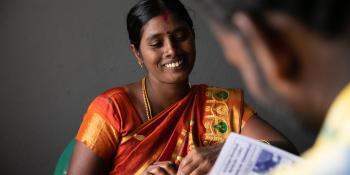
When you co-fund a project, you help transform lives. By building housing, we build beyond the physical homes: adequate living conditions have a powerful impact on the livelihoods, health, education and more of households and communities.
-
Half of the global population living in poverty resides in Asia and the Pacific. To help address these issues, Build Beyond funds locally led initiatives to transform lives through improved housing conditions.