Challenges
Urban poor communities in these districts face multiple challenges, including lack of access to essential services such as clean water, proper sanitation, electricity, proper drainage systems and road access. Rapid urbanization has led to unplanned growth, overcrowded and poorly constructed housing, poor hygiene, and high exposure to flooding, pollution and climate-related hazards.
Health risks such as dengue, cholera, typhoid, hepatitis and malnutrition are prevalent. Shelter conditions are extremely limited, with house sizes often under 4 square meters per person, poor construction, insufficient ventilation and limited privacy. Livelihoods are unstable, relying on informal work such as factory labor, construction, street vending and waste collection.
Vulnerable populations, including children, the elderly, women-headed households, persons with disabilities and youth-headed families face heightened risk of eviction, exclusion from services and environmental hazards. Weak governance and fragmented planning further exacerbate these vulnerabilities, highlighting the urgent need for climate-resilient housing, secure tenure, improved WASH, livelihood support and inclusive community participation.
Solution
This project uses a community-led approach to strengthen resilience in Phnom Penh’s poorest urban communities. It builds on the success of URP Phase 1, expanding its reach and interventions to six districts. The project strengthens resilience through integrated housing, WASH, livelihoods, disaster preparedness and policy awareness.
Our approach:
- Formation and training of community-led teams using the Participatory Approach to Safe Shelter Awareness, or PASSA, empowering residents to identify risks, plan improvements and implement micro-grant funded projects.
- Families actively participate in housing co-design and community initiatives, fostering ownership.
- 30 new homes will be built.
- 10 homes incorporating climate-resilient and inclusive design will be repaired and/or upgraded. Family-based maintenance training ensures durability and sustainability.
- 45 participants, 50% female, receive entrepreneurship training and micro-grants to implement waste recycling, composting and digital entrepreneurship initiatives, creating sustainable income.
- 20 latrines, 60% for female-headed households, 20 recycling storage containers and hygiene awareness training improve access to clean water, sanitation and healthier living conditions.
- Training for 300 participants, 50% female, on land rights, Circular 03 and Housing Policy strengthens tenure security and engagement with local authorities.
Timescale: This project is expected to be completed within 36 months.
Results and benefits
This project will directly benefit 10,577 individuals, including 5,721 females, and indirectly reach 31,730 individuals, including 17,163 females.
Vulnerable households will gain access to safe, climate-resilient homes and improved WASH facilities, resulting in better hygiene and health outcomes. Communities will develop skills in disaster preparedness, housing maintenance and entrepreneurship, promoting long-term self-reliance.
Circular economy initiatives will provide sustainable livelihoods while improving environmental practices. Awareness sessions on land rights, Circular 03 and housing policy will strengthen tenure security and community-government collaboration. The establishment of PASSA groups and micro-grant projects will enhance local governance, participatory planning, and gender inclusion.
Long-term impact
Over the long term, communities will experience enhanced resilience to flooding, environmental hazards and other urban risks. Families and local leaders will retain long-term capacity in housing, WASH, livelihoods and disaster preparedness. They will also benefit from increased tenure security, gender inclusion and evidence-based advocacy, creating a replicable model for urban resilience in Phnom Penh. Vulnerable groups, including women, the elderly and persons with disabilities, will enjoy improved safety, health and economic opportunities, ensuring that project gains are sustained and scalable.
Scale-up
With additional funding, this project could expand to more urban poor communities in Phnom Penh, replicating climate-resilient housing, WASH improvements, livelihoods and disaster preparedness while strengthening tenure security and community-led governance.
-
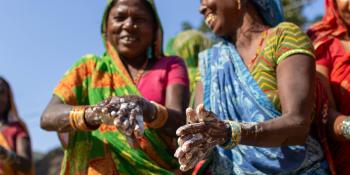
When you co-fund a project, you help transform lives. By building housing, we build beyond the physical homes: adequate living conditions have a powerful impact on the livelihoods, health, education and more of households and communities.
-
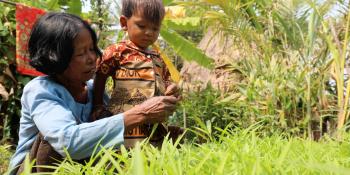
Half of the global population living in poverty resides in Asia and the Pacific. To help address these issues, Build Beyond funds locally led initiatives to transform lives through improved housing conditions.