-
By 2030, 60% of urban residents will be children living mostly in slums and informal settlements across Africa and Asia. Many children and families that migrate to cities are excluded from formal housing and networked infrastructures for various reasons including lack of local government resources, markets that struggle to meet the demand for accessible housing, and inefficient regulatory environments. Often low-income households are pushed to peripheries and precarious locations due to limited affordability and choice. These marginalized households and communities are particularly susceptibility to the impacts of pandemics, disasters and climate change because of their already compromised health and living conditions.
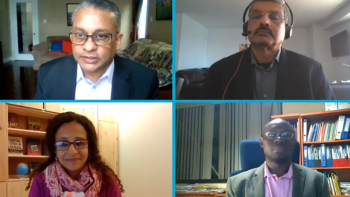
To mark World Children’s Day, Habitat for Humanity hosted +You: Prioritizing children’s access to housing around the world. This virtual panel discussion examines the impact of children living in inadequate housing globally and highlight the ways it is driving poverty and inequity. From cognitive development to health and education, a child’s well-being is fundamentally linked to the quality of their housing. The COVID-19 pandemic and growing climate crisis are further compounding existing social and economic inequalities for these children and threatening their ability to thrive. Ensuring adequate housing for children today is foundational for our shared sustainable future.