SAFER Siraha
Build safer, healthier, more resilient homes for marginalized Madhesi Dalit families in Siraha

Challenges
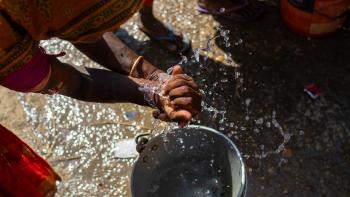
Many vulnerable families in Siraha — especially Madhesi Dalit groups such as the Dom and Musahar communities — live in overcrowded, unsafe homes without proper sanitation, including toilets and handwashing facilities. Children and adolescent girls are at heightened risk: the absence of private toilets not only increases exposure to hygiene‑related diseases but also raises the risk of gender‑based violence. Caste‑based discrimination further restricts access to shared sanitation facilities, deepening social exclusion.
In Karjanha, 186 households live in unsafe housing, while 430 households face similar conditions in Lahan. Many also lack basic handwashing facilities — 74 households in Karjanha and 282 in Lahan — leaving daily wage earners and sanitation workers especially vulnerable to infections.
Open defecation remains widespread, affecting 233 households in Karjanha and 275 in Lahan, exposing families to preventable diseases and reinforcing social stigma. Waterborne illnesses such as diarrhea, cholera, dysentery, typhoid, and jaundice are common, with nearly 1,800 cases reported across the two areas — disproportionately impacting women and children.
Schools and health facilities are also insufficiently equipped: 20% of schools lack WASH facilities, 19% do not have separate toilets, and many lack handwashing stations, soap, or safe drinking water. Caste based discrimination and social exclusion continue to limit access to shared sanitation, while the lack of private toilets places children and adolescent girls at greater risk of violence and harm.
Many vulnerable families in Siraha — especially Madhesi Dalit groups such as the Dom and Musahar communities — live in overcrowded, unsafe homes without proper sanitation, including toilets and handwashing facilities. Children and adolescent girls are at heightened risk: the absence of private toilets not only increases exposure to hygiene‑related diseases but also raises the risk of gender‑based violence. Caste‑based discrimination further restricts access to shared sanitation facilities, deepening social exclusion.
In Karjanha, 186 households live in unsafe housing, while 430 households face similar conditions in Lahan. Many also lack basic handwashing facilities — 74 households in Karjanha and 282 in Lahan — leaving daily wage earners and sanitation workers especially vulnerable to infections.
Open defecation remains widespread, affecting 233 households in Karjanha and 275 in Lahan, exposing families to preventable diseases and reinforcing social stigma. Waterborne illnesses such as diarrhea, cholera, dysentery, typhoid, and jaundice are common, with nearly 1,800 cases reported across the two areas — disproportionately impacting women and children.
Schools and health facilities are also insufficiently equipped: 20% of schools lack WASH facilities, 19% do not have separate toilets, and many lack handwashing stations, soap, or safe drinking water. Caste based discrimination and social exclusion continue to limit access to shared sanitation, while the lack of private toilets places children and adolescent girls at greater risk of violence and harm.

Solution
The project will improve living conditions for marginalized Madhesi Dalit families in Siraha by upgrading homes and strengthening WASH facilities, with focus on families with children, people with disabilities and those from the Dom and Musahar communities.
Our approach:
- Provide incremental housing upgrades for 40 vulnerable families, tailored to each household’s needs. Improvements include safer kitchens, improved toilets and handwashing facilities, roofing for thermal comfort, mud flooring, adjustments for cross-ventilation and accessibility features such as ramps and grab bars.
- Upgrade basic services that improve safety, hygiene, and accessibility, especially those with children, women, older people, and persons with disabilities.
- Improve WASH facilities, including 2 in government schools and 2 primary health centers, providing clean water, private toilets, and handwashing stations to reduce health risks and support learning and healthcare.
- Conduct WASH orientation sessions in the targeted schools and households.
- Install solar-powered streetlights in 2 high-risk communities to improve nighttime safety, particularly for women and adolescent girls.
Timescale: The project will be completed within 12 months.
The project will improve living conditions for marginalized Madhesi Dalit families in Siraha by upgrading homes and strengthening WASH facilities, with focus on families with children, people with disabilities and those from the Dom and Musahar communities.
Our approach:
- Provide incremental housing upgrades for 40 vulnerable families, tailored to each household’s needs. Improvements include safer kitchens, improved toilets and handwashing facilities, roofing for thermal comfort, mud flooring, adjustments for cross-ventilation and accessibility features such as ramps and grab bars.
- Upgrade basic services that improve safety, hygiene, and accessibility, especially those with children, women, older people, and persons with disabilities.
- Improve WASH facilities, including 2 in government schools and 2 primary health centers, providing clean water, private toilets, and handwashing stations to reduce health risks and support learning and healthcare.
- Conduct WASH orientation sessions in the targeted schools and households.
- Install solar-powered streetlights in 2 high-risk communities to improve nighttime safety, particularly for women and adolescent girls.
Timescale: The project will be completed within 12 months.

Results and benefits
The project will enhance the quality of life for vulnerable families in Siraha by providing safer, healthier, and more accessible homes through 40 incremental housing upgrades, directly benefiting 200 community members.
Improvements to schools, health centers, and community infrastructure will indirectly reach more than 140,500 individuals, increasing access to clean water, sanitation, and hygiene facilities.
Through participation in building activities, families will gain practical construction and maintenance skills, strengthening their ability to manage safer, more resilient homes over time.
Disaster risk reduction training and WASH orientations in schools and communities will promote lasting behavior change, increasing safety, health, and resilience for future generations.
The project will enhance the quality of life for vulnerable families in Siraha by providing safer, healthier, and more accessible homes through 40 incremental housing upgrades, directly benefiting 200 community members.
Improvements to schools, health centers, and community infrastructure will indirectly reach more than 140,500 individuals, increasing access to clean water, sanitation, and hygiene facilities.
Through participation in building activities, families will gain practical construction and maintenance skills, strengthening their ability to manage safer, more resilient homes over time.
Disaster risk reduction training and WASH orientations in schools and communities will promote lasting behavior change, increasing safety, health, and resilience for future generations.
Long-term impact
Over time, families in Siraha will experience safer, healthier, and more resilient living environments. Incremental housing improvements and disaster-resilient construction will reduce vulnerability to climate hazards and improve everyday safety for children, women, and persons with disabilities.
Improved access to improved water, sanitation, and hygiene in homes, schools, and health centers will lower the incidence of waterborne diseases, supporting better health and educational outcomes. Skills gained through sweat equity and community training will strengthen local capacity to maintain safer homes and infrastructure.
Policy advocacy and community engagement will encourage long-term investment in inclusive, resilient housing and WASH services, creating sustainable benefits for the wider population of Lahan and Karjanha municipalities.
Over time, families in Siraha will experience safer, healthier, and more resilient living environments. Incremental housing improvements and disaster-resilient construction will reduce vulnerability to climate hazards and improve everyday safety for children, women, and persons with disabilities.
Improved access to improved water, sanitation, and hygiene in homes, schools, and health centers will lower the incidence of waterborne diseases, supporting better health and educational outcomes. Skills gained through sweat equity and community training will strengthen local capacity to maintain safer homes and infrastructure.
Policy advocacy and community engagement will encourage long-term investment in inclusive, resilient housing and WASH services, creating sustainable benefits for the wider population of Lahan and Karjanha municipalities.
Scale-up
With additional co-funding, this project could reach more vulnerable families in Siraha District, providing safer, resilient homes and improved WASH facilities while strengthening community skills. Please get in touch to request a detailed proposal.
With additional co-funding, this project could reach more vulnerable families in Siraha District, providing safer, resilient homes and improved WASH facilities while strengthening community skills. Please get in touch to request a detailed proposal.
-
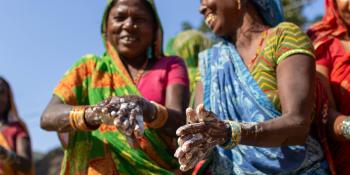
When you co-fund a project, you help transform lives. By building housing, we build beyond the physical homes: adequate living conditions have a powerful impact on the livelihoods, health, education and more of households and communities.
-
Half of the global population living in poverty resides in Asia and the Pacific. To help address these issues, Build Beyond funds locally led initiatives to transform lives through improved housing conditions.