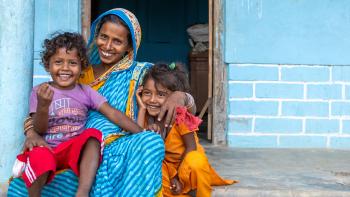
Healthier Homes Building Healthier Lives in Kanchampur

Challenges
In Kanchanpur, many families live in poorly ventilated homes where cooking smoke from traditional stoves cannot escape. Summer temperatures soar up to 45°C in homes without proper insulation. Mosquitoes enter through open windows, spreading dengue fever, and many families drink contaminated water, causing frequent illness.
Summer heat trapped in poorly built houses is dangerous, while indoor smoke from traditional cooking makes children sick. It is estimated that 52% of families are affected by these issues.
778 dengue cases have been reported since 2019 from mosquitoes entering homes. Contaminated drinking water causes regular illnesses.
The community also suffers from seasonal flooding, with 750 families displaced in August 2024.
Moreover, families face limited financial knowledge, with 42% of residents lacking basic skills.
These problems compound each other: poor health means missed work, limiting income for daily necessities and home improvements, perpetuating health hazards and challenges to livelihoods.
In Kanchanpur, many families live in poorly ventilated homes where cooking smoke from traditional stoves cannot escape. Summer temperatures soar up to 45°C in homes without proper insulation. Mosquitoes enter through open windows, spreading dengue fever, and many families drink contaminated water, causing frequent illness.
Summer heat trapped in poorly built houses is dangerous, while indoor smoke from traditional cooking makes children sick. It is estimated that 52% of families are affected by these issues.
778 dengue cases have been reported since 2019 from mosquitoes entering homes. Contaminated drinking water causes regular illnesses.
The community also suffers from seasonal flooding, with 750 families displaced in August 2024.
Moreover, families face limited financial knowledge, with 42% of residents lacking basic skills.
These problems compound each other: poor health means missed work, limiting income for daily necessities and home improvements, perpetuating health hazards and challenges to livelihoods.
Solution
Improve the lives of 44 families with practical solutions. Our approach:
- Build 44 new homes to withstand floods and extreme weather. Each home will have proper ventilation, an insulated bamboo ceiling that reduces temperatures by up to 5°C and window screens that block disease-carrying mosquitoes. Clean water filters, handwashing facilities and proper toilets will be installed.
- Families will receive improved cookstoves that reduce indoor smoke by 60%.
- 20 local masons with upskilled construction methods, enhancing income opportunities.
- 120 Families will have access to bio-sand filters for clean water. Water testing kits will be available for communities to monitor water safety.
Monthly hygiene and sanitation workshops will raise awareness of best practices, leading to 600 community members practicing better hygiene. - 160 families will be trained in household financial management, learning practical skills for budgeting, saving, accessing credit and getting connected to local financial institutions. 70% of participants will come from women-led households.
Improve the lives of 44 families with practical solutions. Our approach:
- Build 44 new homes to withstand floods and extreme weather. Each home will have proper ventilation, an insulated bamboo ceiling that reduces temperatures by up to 5°C and window screens that block disease-carrying mosquitoes. Clean water filters, handwashing facilities and proper toilets will be installed.
- Families will receive improved cookstoves that reduce indoor smoke by 60%.
- 20 local masons with upskilled construction methods, enhancing income opportunities.
- 120 Families will have access to bio-sand filters for clean water. Water testing kits will be available for communities to monitor water safety.
Monthly hygiene and sanitation workshops will raise awareness of best practices, leading to 600 community members practicing better hygiene. - 160 families will be trained in household financial management, learning practical skills for budgeting, saving, accessing credit and getting connected to local financial institutions. 70% of participants will come from women-led households.


Results and benefits
Families will gain safe, resilient homes that protect them from floods, extreme weather, heat and mosquito‑borne diseases, creating a healthier and more secure living environment.
Thanks to improved cookstoves, families will breathe cleaner air at home, reducing respiratory illnesses — especially for children — and improving daily comfort.
Local masons benefit from new construction skills, opening up stronger, long-term income opportunities, and boosting community-level economic resilience.
The community will gain reliable access to clean drinking water while also ensuring water safety. Better hygiene practices will be adopted, reducing the risks of diseases, and improving overall wellbeing.
Families, with a special focus on women-led households, will strengthen their financial confidence, paving the way for greater economic stability.
Families will gain safe, resilient homes that protect them from floods, extreme weather, heat and mosquito‑borne diseases, creating a healthier and more secure living environment.
Thanks to improved cookstoves, families will breathe cleaner air at home, reducing respiratory illnesses — especially for children — and improving daily comfort.
Local masons benefit from new construction skills, opening up stronger, long-term income opportunities, and boosting community-level economic resilience.
The community will gain reliable access to clean drinking water while also ensuring water safety. Better hygiene practices will be adopted, reducing the risks of diseases, and improving overall wellbeing.
Families, with a special focus on women-led households, will strengthen their financial confidence, paving the way for greater economic stability.
Long-term impact
Families will experience meaningful gains in health, comfort, and overall wellbeing. Reduced indoor smoke leads to fewer respiratory illnesses, while better protection from mosquitoes and safer water sources lowers cases of dengue and other waterborne diseases.
Homes remain cooler during extreme heat, creating healthier and more comfortable living conditions.
At the same time, improved financial management empowers households to better plan, save, and cope with unexpected expenses.
Together, these benefits strengthen community resilience—helping families face environmental and economic challenges with greater stability and confidence.
Families will experience meaningful gains in health, comfort, and overall wellbeing. Reduced indoor smoke leads to fewer respiratory illnesses, while better protection from mosquitoes and safer water sources lowers cases of dengue and other waterborne diseases.
Homes remain cooler during extreme heat, creating healthier and more comfortable living conditions.
At the same time, improved financial management empowers households to better plan, save, and cope with unexpected expenses.
Together, these benefits strengthen community resilience—helping families face environmental and economic challenges with greater stability and confidence.
Scale-up
With additional funding, this project can be expanded to reach more vulnerable families across Kanchanpur and neighboring districts, replicating climate-resilient housing, improved cookstoves, safe water and sanitation, hygiene education, and household financial management. Scaling up will strengthen community health, climate resilience and economic stability in high-risk areas.
With additional funding, this project can be expanded to reach more vulnerable families across Kanchanpur and neighboring districts, replicating climate-resilient housing, improved cookstoves, safe water and sanitation, hygiene education, and household financial management. Scaling up will strengthen community health, climate resilience and economic stability in high-risk areas.