

Build Beyond
A collaborative financing opportunity transforming homes and lives across Asia and the Pacific
Globally, 2.8 billion people live in inadequate housing, deprived of safety, stability and dignity.
In Asia Pacific alone, 600 million reside in slums and informal settlements, often lacking access to clean water, sanitation and secure tenure.
The region also bears the brunt of climate change, with seven of the 20 most vulnerable nations located here. These intersecting crises are pushing already fragile communities further into risk.
Build Beyond is a bold, strategic response to these urgent challenges.
Philanthropists and corporations are invited to co-invest in high-impact, innovative and scalable solutions tailored to the region’s evolving needs.
Challenges

Inadequate housing and basic services
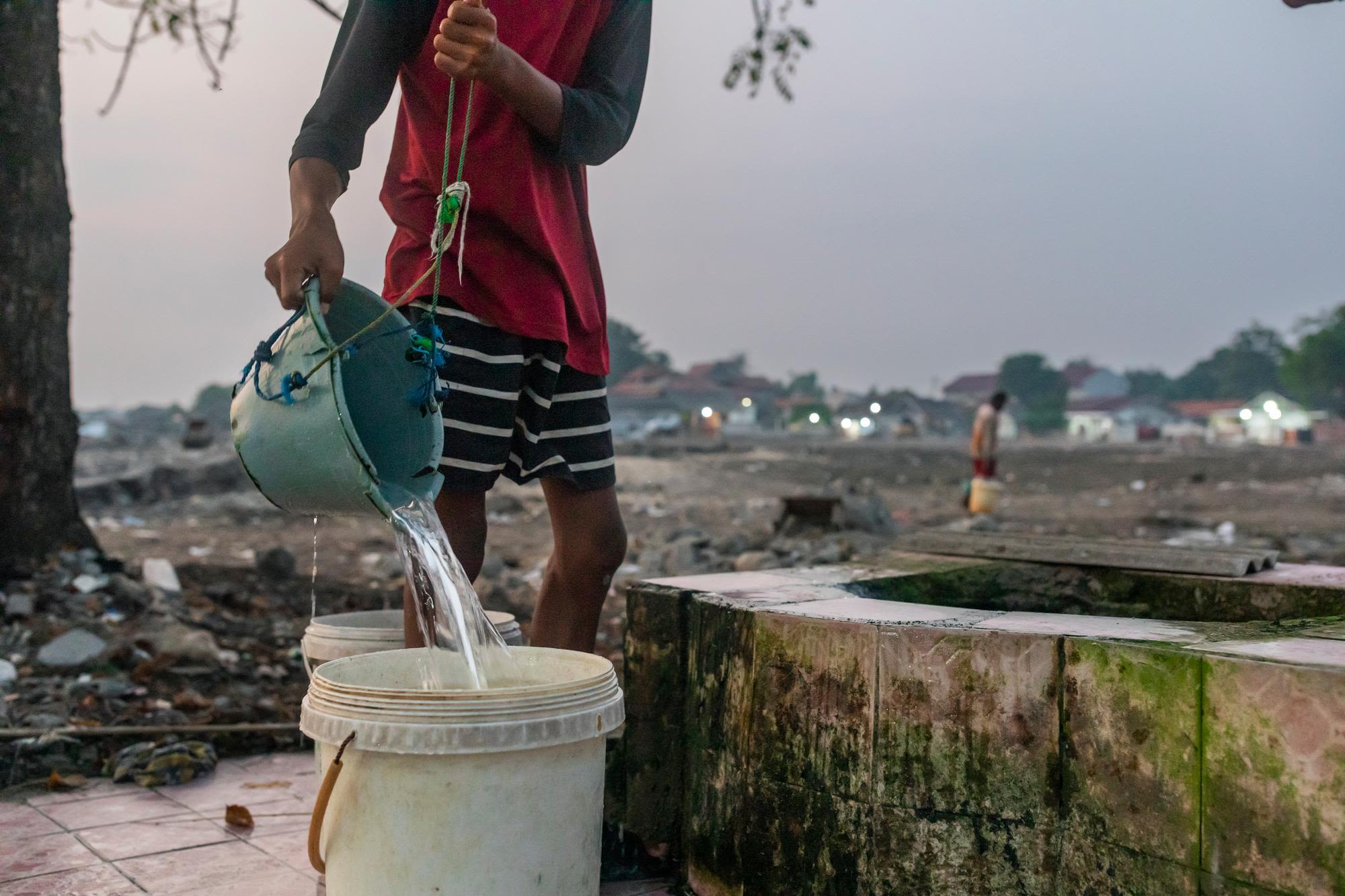
Across Asia-Pacific, over 500 million people live in informal settlements, 1 billion lack basic sanitation and 500 million lack access to clean water. 160 million have no electricity, limiting education, safety and opportunity. These numbers are rising rapidly.
Climate and environmental emergencies
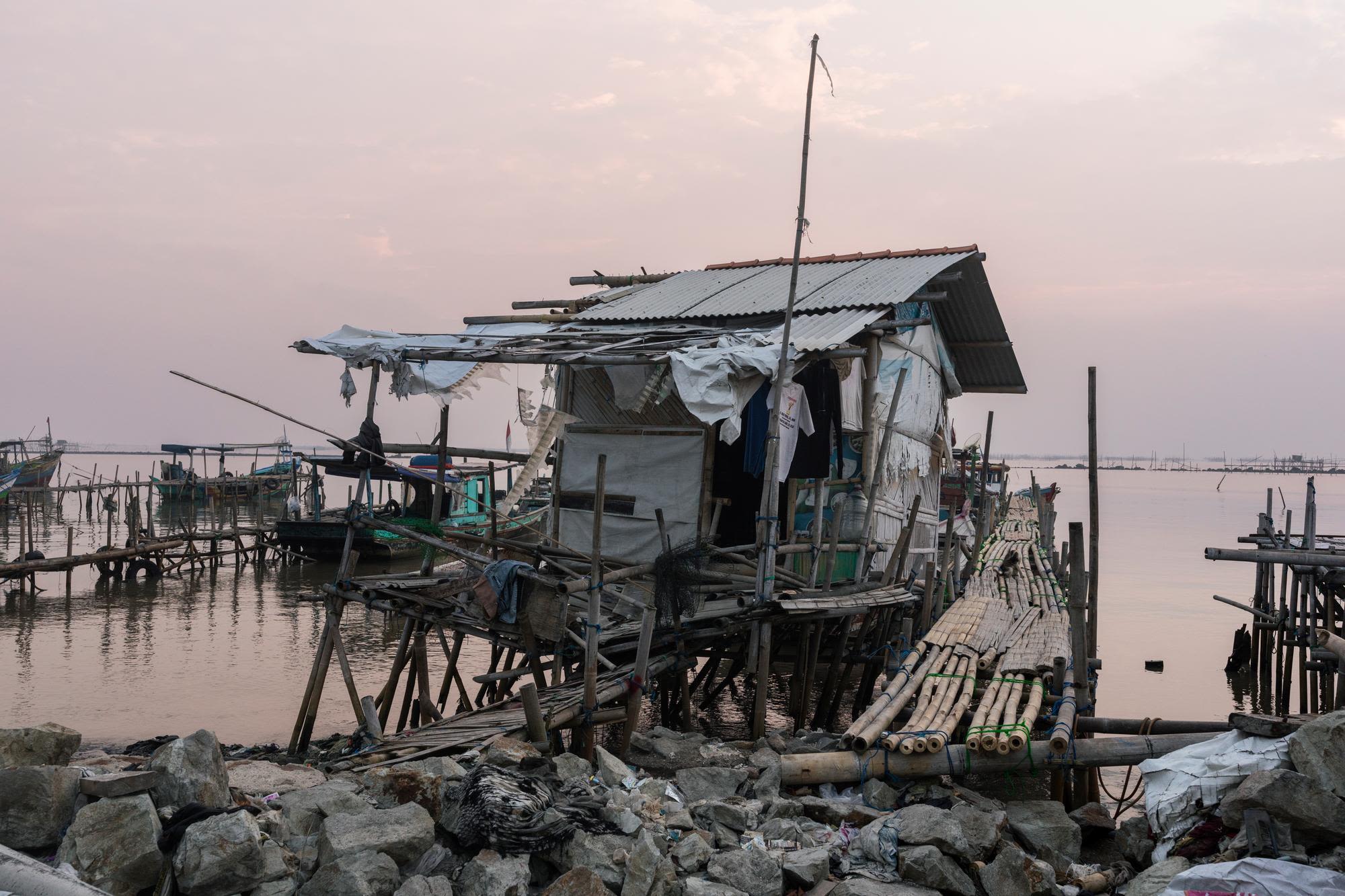
Low-income communities face harsh living conditions and unhealthy environments. The escalating effects of climate change accelerate these challenges, bringing floods, storms, and heatwaves that hit these low-income communities hardest.
Financial and social inequality
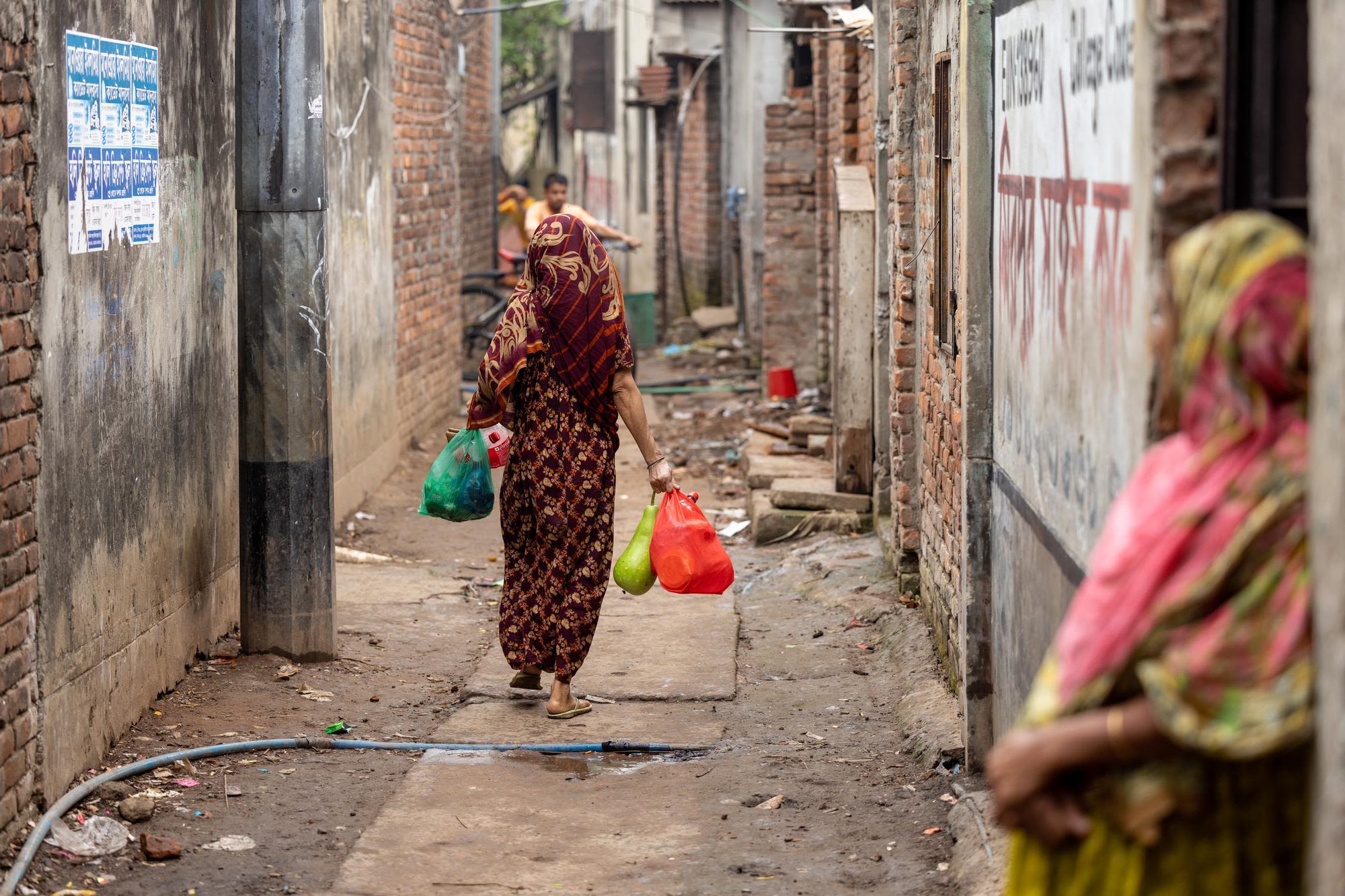
Families with informal work and low incomes lack financial security and social equity. Many have no legal tenure for their homes, no access to basic facilities, and few opportunities to break free from poverty.
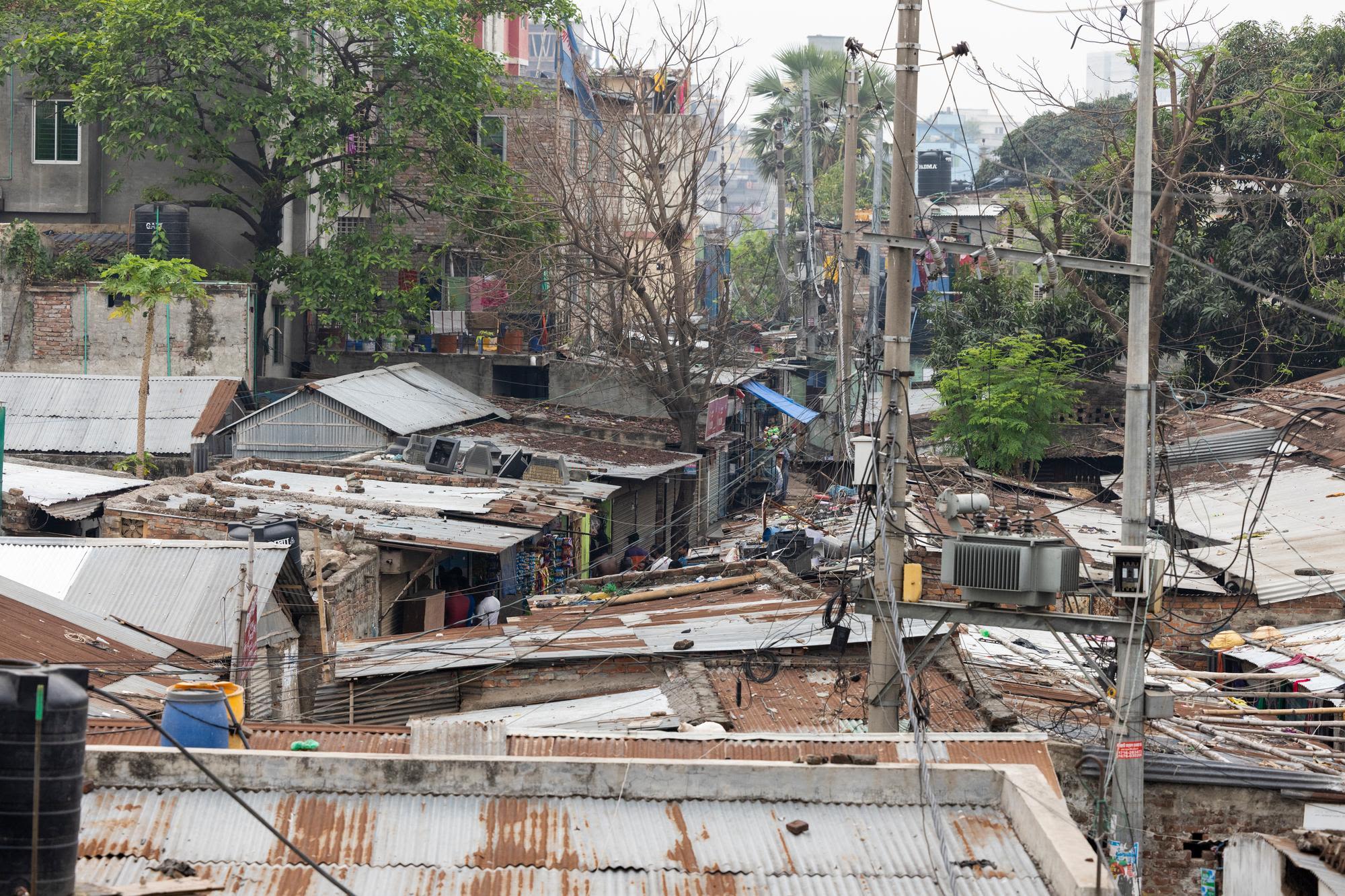
Inadequate housing policies and systems
Government policies and housing systems often do not work for the people who need them most, leaving vulnerable families without options. Safe and affordable housing remains out of reach for millions.

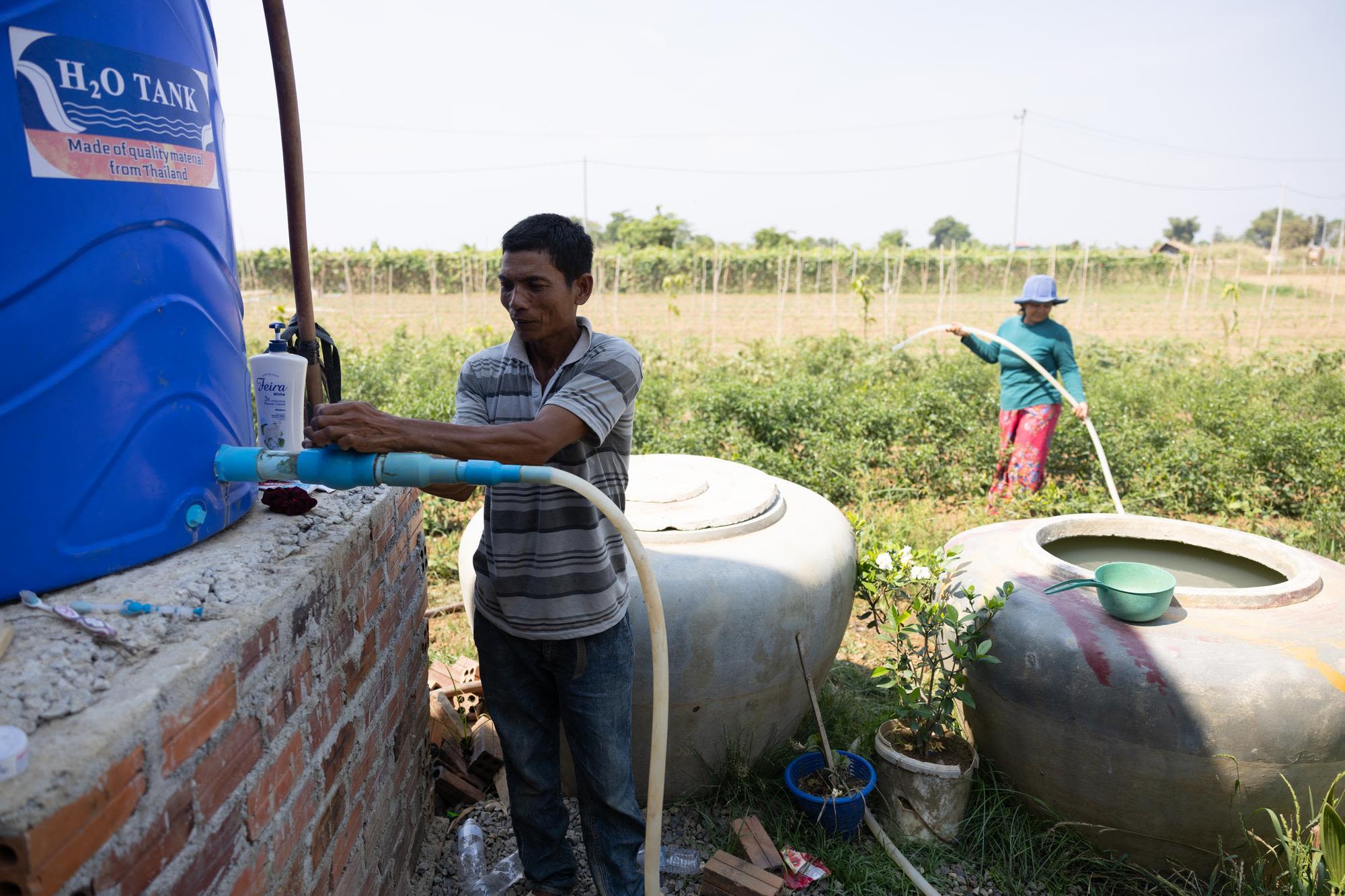
Regional priorities
Build Beyond reflects Habitat’s program priorities in Asia-Pacific, driving projects aligned with our regional impact goals. Each initiative is grounded in local consultation and a “bottom-up” approach, designed to deliver measurable improvements in critical areas within one to two years.
Habitat’s program priorities

Disaster and climate resilience
- Increase community resilience and disaster preparedness.
- Boost housing quality and access to facilities and livelihoods.
- Strengthen community participation and governance.
Urbanization
- Improve access to adequate, quality and secure public housing.
- Enhance community resilience and access to services.
- Bolster urban governance and policy environment.
Housing finance
- Facilitate access to affordable housing finance.
- Strengthen financial ecosystem for low-cost housing.
- Improve housing affordability and security.
Target groups
Low-income families
People with disabilities
Women and children
Informal settlers
How our funding model works
The Build Beyond initiative uses a collaborative financing model to unite philanthropic and corporate investments, fostering cross-sector partnerships, shared accountability and long-term impact.
Philanthropists make 3-5 year funding commitments, moving beyond one-off project donations to support sustained impact. Our team works closely with each philanthropist to tailor their investment to preferred programs or countries. We then channel these funds to aligned projects in the Build Beyond catalogue, contributing up to 20% of a project’s budget in co-funding.
These investments catalyze co-funding from corporate partners who can work with our team to pick projects aligned to their CSR and SDG goals, contributing up to 80% of a project’s budget in co-funding.
Every philanthropic dollar invested mobilizes four times the investment from corporate partners, maximizing reach and sustainability.
Follow us on LinkedIn for updates.

Follow us on LinkedIn for updates.
 Built with Shorthand
-
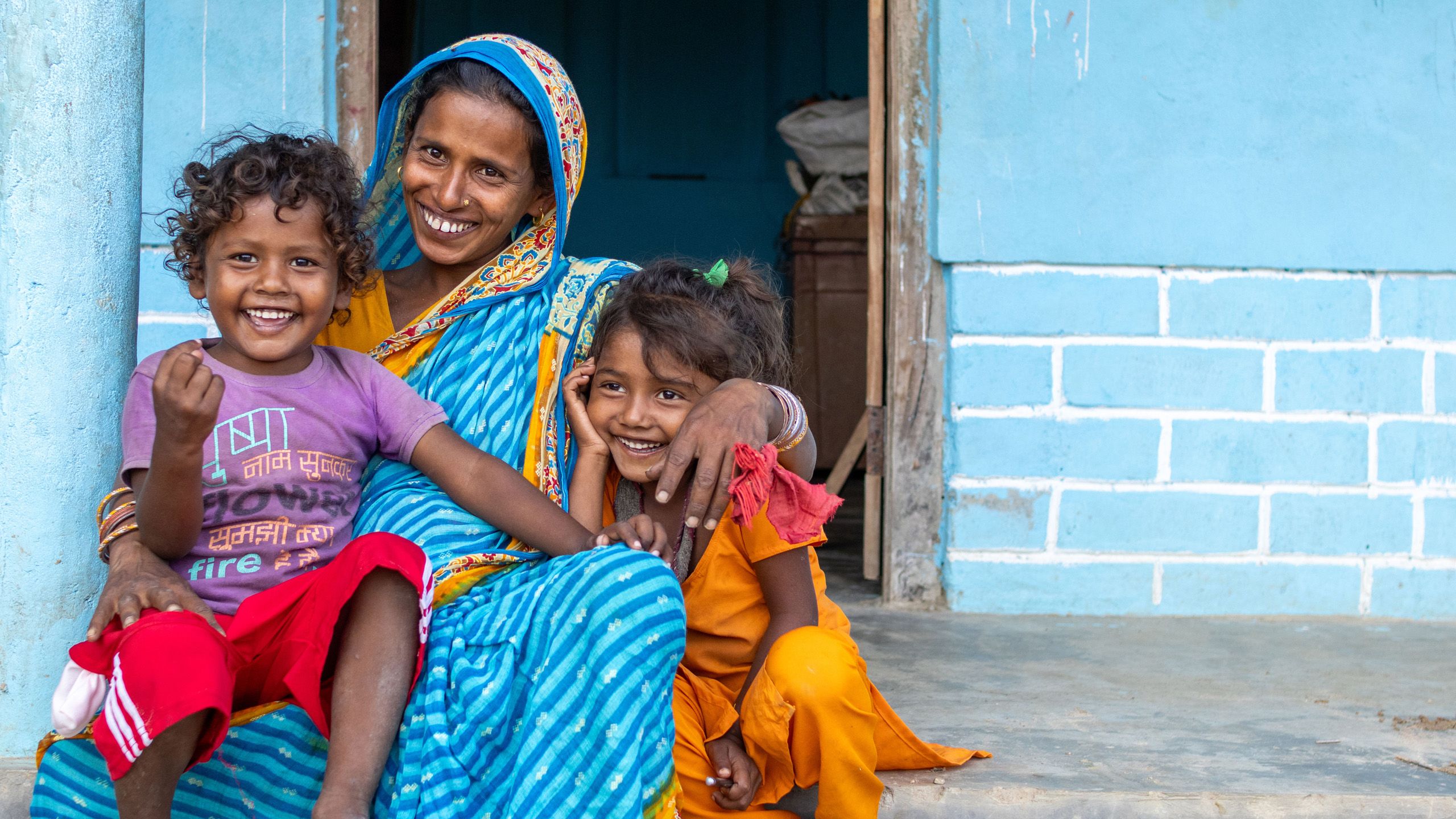
When you co-fund a project, you help transform lives. By building housing, we build beyond the physical homes: adequate living conditions have a powerful impact on the livelihoods, health, education and more of households and communities.
-
The Build Beyond initiative invites visionary philanthropists to become long-term partners in change, moving beyond one-off project funding to invest in multi-year program or country-level impact. Every dollar is multiplied fourfold through corporate co-funding, dramatically expanding scale and sustainability.