Habitat for Humanity at COP31
November 9-20, 2026 | Antalya, Türkiye
As world leaders, practitioners and advocates gather at COP31, Habitat for Humanity is working to ensure housing is increasingly recognized as a cornerstone of climate resilience. At this year’s conference, Habitat will engage with civil society, governmental partners and multilateral institutions to help advance integration of housing and informal settlements into national and global climate priorities, financing commitments and implementation plans.
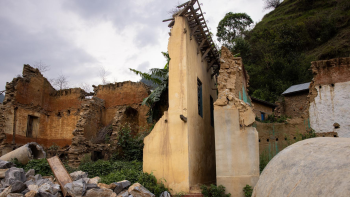
Climate change is increasingly affecting where and how people live. As communities confront the increasing frequency and severity of climate shocks, e.g., rising temperatures, flooding, storms, etc., the safety, stability and resilience of their homes are increasingly threatened.
Habitat’s recently released global report, Home at What Cost, shows how these pressures are already significantly affecting people’s experiences of home:
18% say their home does not protect them from extreme weather.
30% say extreme weather makes it harder to feel safe where they live.
30% expect extreme weather to make it harder to live where they are over the next three years.
Including housing in climate strategies
Housing sits at the intersection of many of the systems that shape people’s lives. Homes are places of safety and stability, but they are also where people build their lives, protect what they have and pursue opportunities for the future. When that foundation is threatened, the consequences can reach across household wellbeing, security and economic resilience. Because housing is both highly exposed to climate impacts and central to how people prepare for and recover from disasters, it must be an essential part of both climate adaptation and efforts to reduce emissions.
Despite this, housing remains largely overlooked in climate negotiations, policy, programming and financing.
COP31 comes at an important point, as the global community focuses on turning Paris Agreement promises into real-world implementation, navigating a critical temperature overshoot and scaling-up international climate finance. As countries work to implement the Belém-Addis Vision on Adaptation, Habitat will use COP31 as an opportunity to elevate housing and informal settlements in climate discussions, specifically in adaptation priorities, financing and accountability.
Connect with us at COP31
Follow Habitat at COP31
Can’t attend in person? Follow Habitat for Humanity Europe and the Middle East on X for updates from COP31 throughout the conference.
-
Habitat for Humanity’s new global housing report Home at What Cost? moves beyond traditional measures of affordability to examine the hidden costs of housing, from the sacrifices people make to the impact on their health, safety and ability to plan for the future.
-

Learn about Habitat for Humanity International’s position on climate change and housing — our beliefs, our practices and our commitments.