Housing and Health: A Global Literature Review
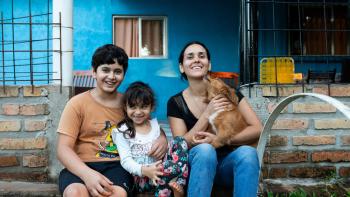
Where we live shapes how healthy we are. Access to safe, decent housing unlocks opportunity and opens the door to better health, education and economic outcomes. The steady foundation of a home, and services such as clean running water, improve physical and mental health.
An affordable, decent home acts like a multivitamin for our lives while also helping to protect against a wide range of ailments, including respiratory diseases, lead poisoning, neurological disorders, heat-related illness, and more. Decent, affordable housing has significant mental health benefits. Improving a family’s standard of living relieves psychological pressure. Healthy housing helps people thrive.
2.8 billion people lack access to adequate housing
1 billion people live in informal settlements
2.1 billion people lack access to safe drinking water
3 billion people lack access to adequate sanitation facilities
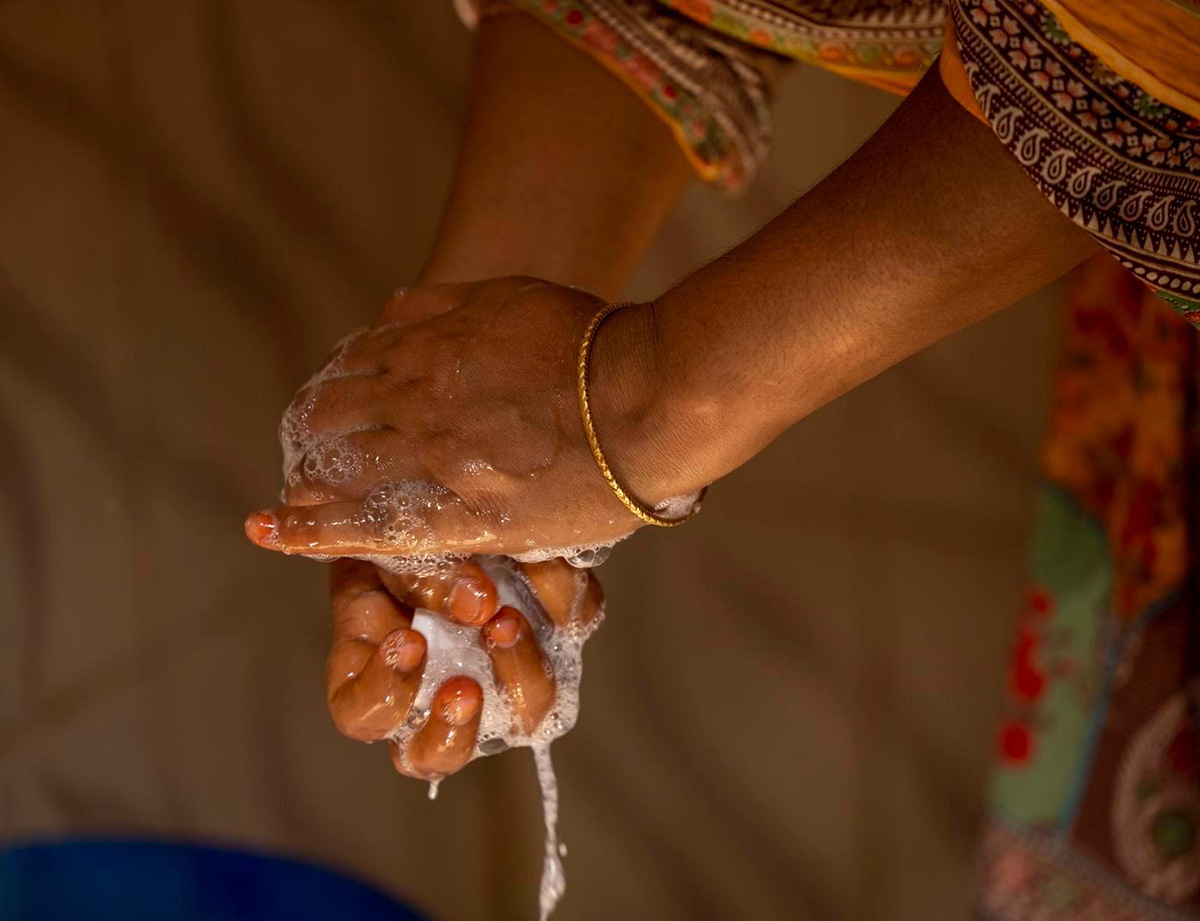
Healthy futures start with a home. Replacing a dirt floor with a concrete one reduces the spread of respiratory and parasitic diseases. Repairing a leaky roof eliminates mold. Creating access to basic sanitation facilities, such as toilets or latrines, helps improve hygiene and prevent life-threatening disease.
Yet across the globe, 1 in 3 people — 2.8 billion — lack access to adequate housing, including more than 1 billion residents of informal settlements. 1 in 4 — 2.1 billion — lack access to safe drinking water, with over 3 billion people unable to access adequate sanitation facilities.
Through a global literature review, Habitat examined research on how housing conditions influence health outcomes worldwide. The findings show that time spent at home plays a powerful role in shaping people’s daily lives and long-term well-being. Read the research highlights below and download the full literature review.
Research highlights

Housing directly affects physical health
- Exposure to mold, dampness and dust mites in the home increases the risk of asthma and other respiratory illnesses, especially for children.
- Cooking with wood, charcoal or other biomass fuels can lead to respiratory infections, heart disease and chronic lung conditions.
- Sub‑Saharan Africa accounts for about 94% of malaria cases worldwide. Simple home improvements like screened doors and windows reduced malaria‑carrying mosquitoes inside homes by 77%.
Housing conditions influence mental health and wellbeing
- Crowded homes make it harder to sleep, study and relax, which can affect children’s performance at school.
- Constant noise, housing insecurity, unsafe surroundings and limited access to transportation contribute to stress, anxiety and depression.
- Extreme indoor heat has been linked to sleep disturbance and difficulties with memory, concentration and clear thinking.
Certain groups face greater health risks due to housing
- In Peru, children living in households with the poorest water, sanitation and storage conditions were 1 centimeter shorter on average and experienced 54% more episodes of diarrhea by age 2.
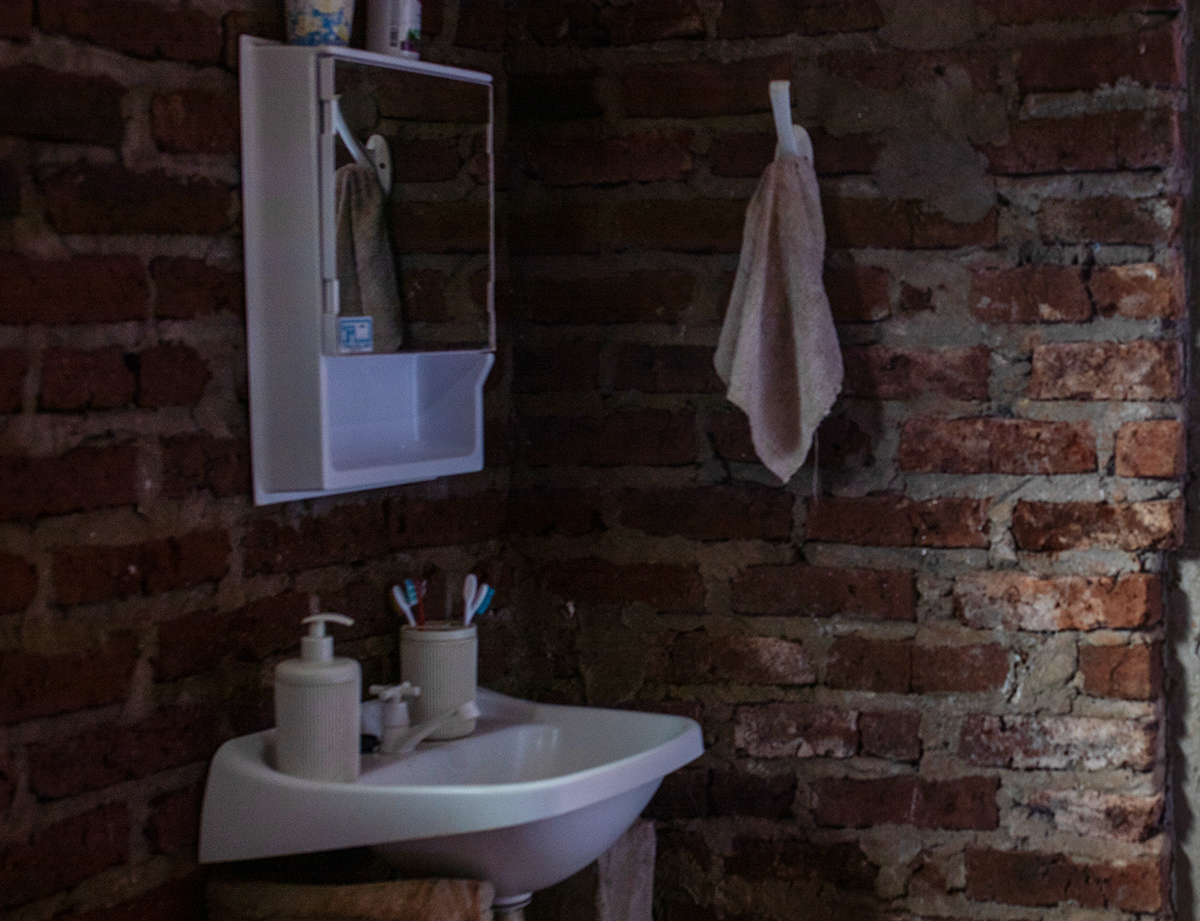
- Women without a private bathroom inside their home often feel unsafe or exposed when they must go outside, affecting both physical safety and mental well-being.
- In the U.S., migrant farmworker families experience higher rates of asthma, chronic cough and gastrointestinal illness due to mold exposure, pesticides and poor water quality.
Read the review
To learn more about the evidence behind these findings and explore real-world examples from around the globe, download the full literature review.
English
Spanish
Further reading
-
Women and girls around the world often face greater barriers to adequate housing, secure land rights and basic services. Through a global literature review, Habitat examined how housing affects gender equity and how gender inequity shapes housing outcomes.
Learn more about how Habitat aims to improve the health of families through housing:
-
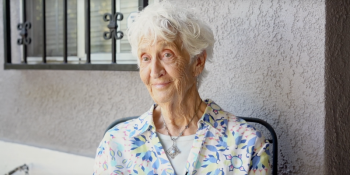
At Habitat, we partner with families, communities and local organizations across the U.S. to help older adults improve their homes and their quality of life so they can flourish where they live.
-
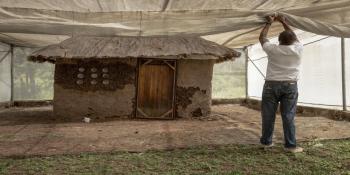
Habitat for Humanity and SeaFreight Labs launched a new global open-innovation challenge to try to dramatically reduce malaria infections by targeting where most infections begin: at home. The challenge, which runs through 7 July 2025, includes a US$24,000 prize pool.
-
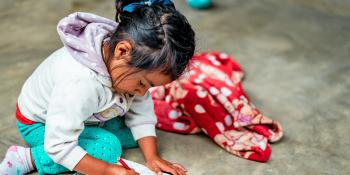
Habitat for Humanity, in partnership with the Inter-American Cement Federation (FICEM), launched 100,000 Floors to Play On in 2022.
This initiative seeks to replace dirt floors with concrete floors in vulnerable homes across the region.