Access to affordable finance plays a defining role in how people experience housing. In many countries where Habitat works, low‑income families build their homes gradually as finances allow: adding a room, improving a roof or upgrading a latrine over time. A family’s access to sufficient and appropriate funds shapes how quickly they can achieve safe, healthy living conditions — and how much the improvements ultimately cost.
Housing-specific loans like mortgages are designed to spread large upfront costs over longer time horizons. However, most financial systems are not designed to support incremental building and many low-income families do not qualify for traditional bank loans. The financial institutions they prefer, like microfinance institutions, are typically restricted as to the size and duration of credit they can offer. This leaves millions of individuals and families without affordable options to improve their homes. This gap in appropriate financing tools is one of the most persistent barriers to adequate housing globally.

Mexico
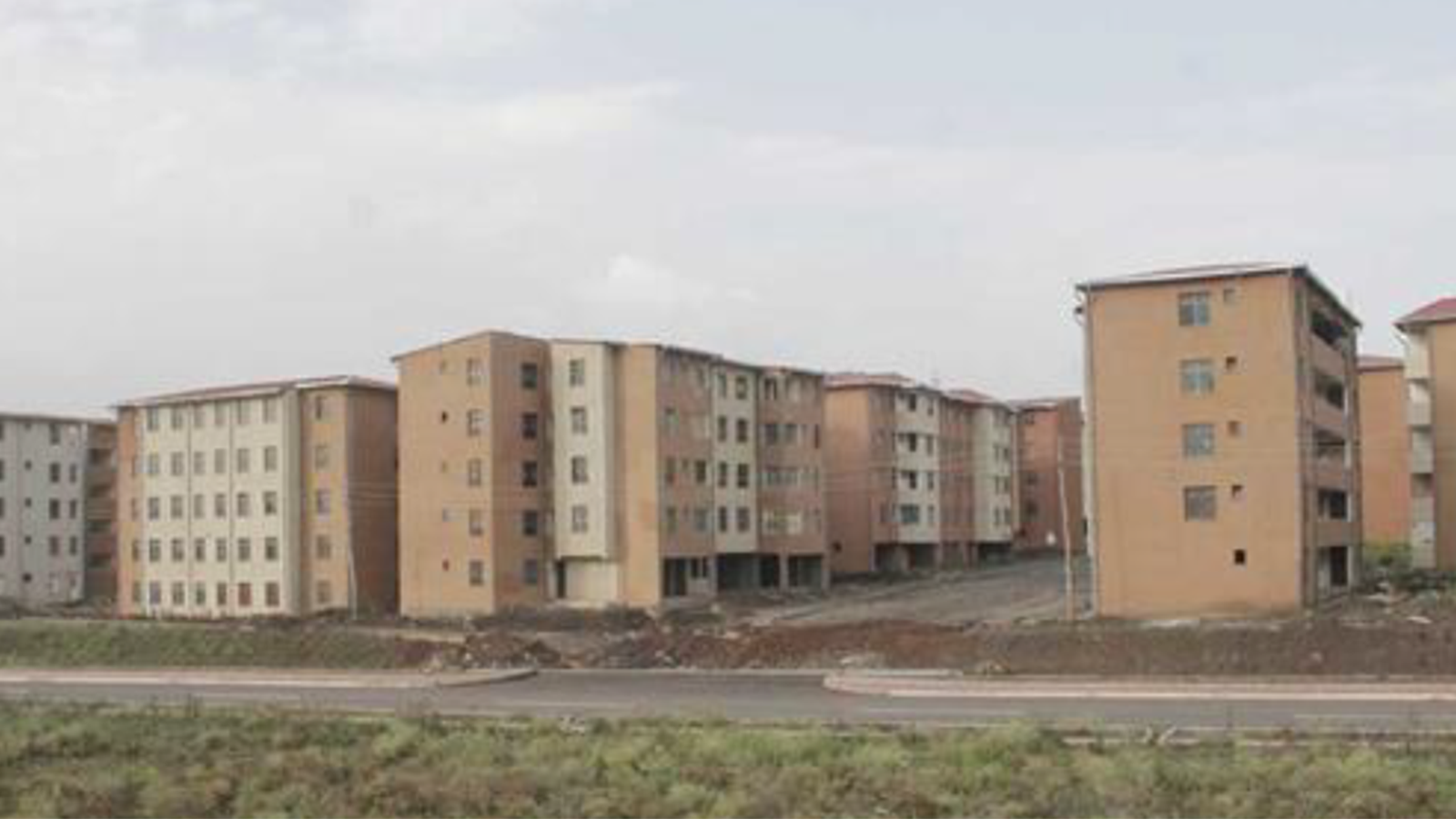
Ethiopia
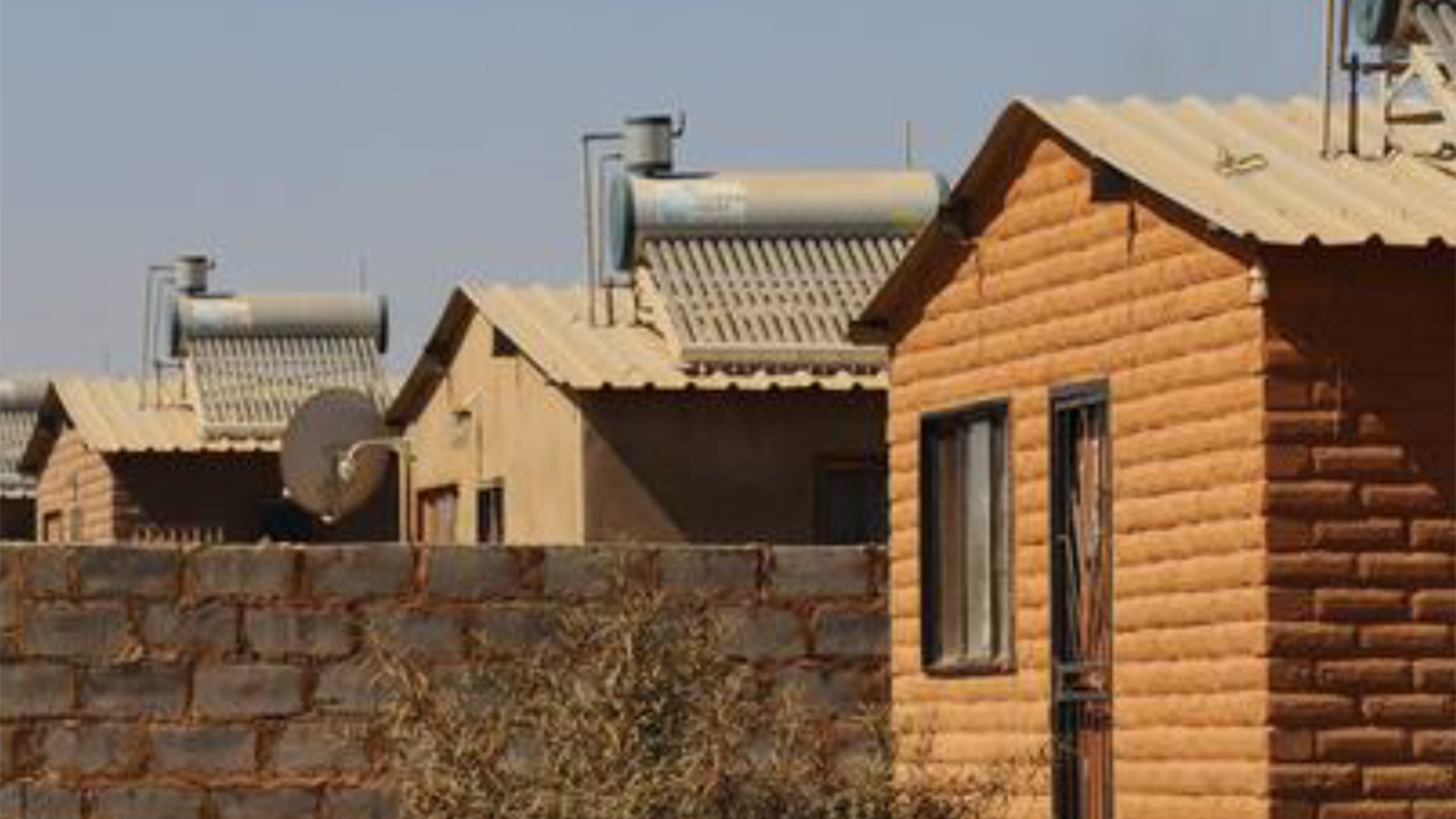
Kenya
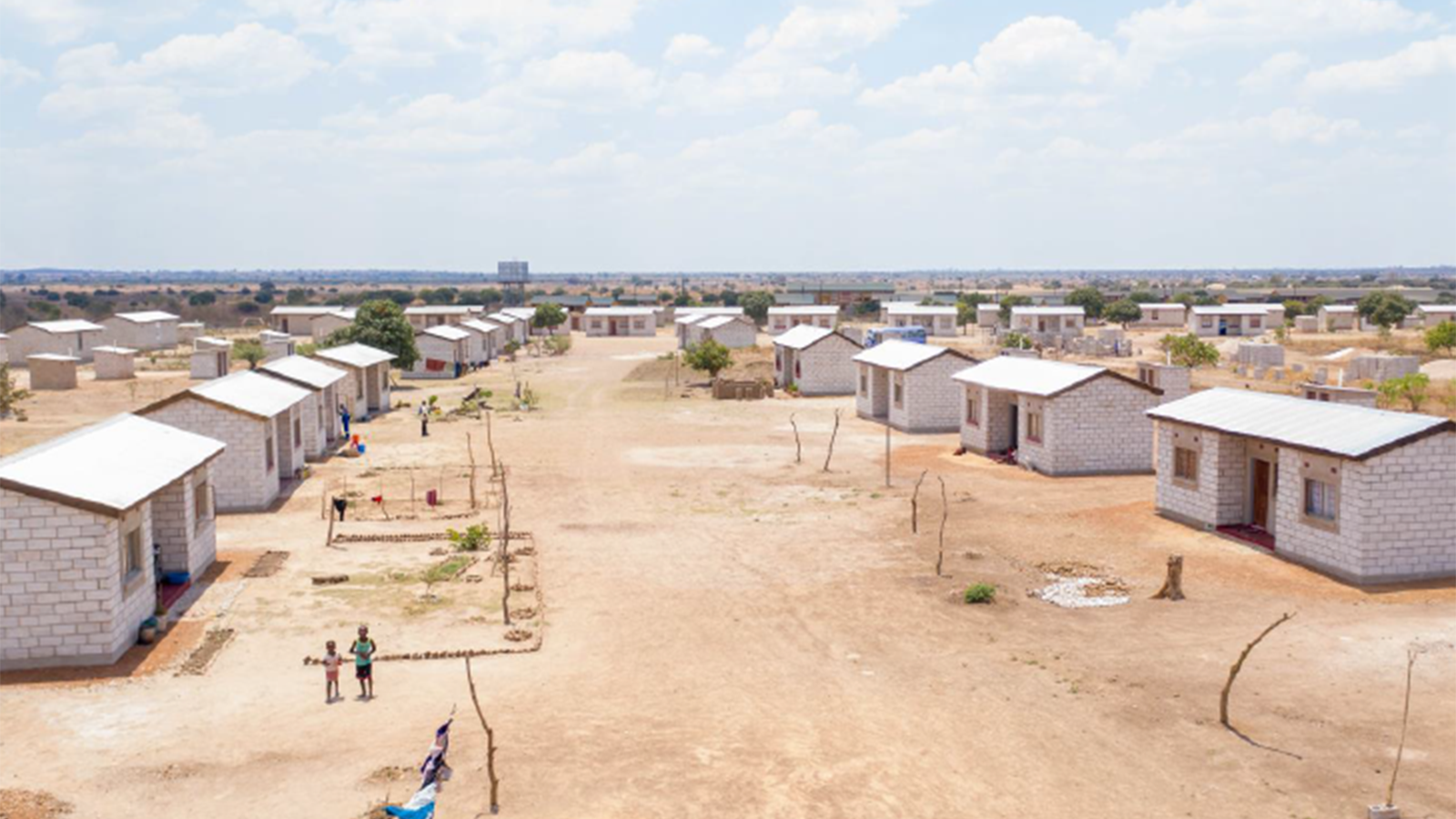
Zambia

Tanzania
Financial policy and regulation play an important role in ensuring that housing finance is accessible, affordable, inclusive, and sustainable. Through interest rate policies, financial supervision, consumer protection and more, central banks and financial regulators influence how the market works–who can access housing finance, on what terms and at what risk.
Habitat for Humanity’s Terwilliger Center housing finance systems team works with regulators, policymakers and market stakeholders across Africa, Asia Pacific and Latin America to improve the enabling environment for more affordable housing finance.
When financial policy and regulation is well designed, it creates the enabling conditions for affordable housing finance, including housing microfinance, that supports a variety of housing choices including incremental home building. Habitat for Humanity works with partners to strengthen these systems so more families can improve their homes safely and affordably. This includes country-specific reforms in markets such as India, Indonesia and Cambodia, where regulators and market actors are working to better align financial systems with the realities of incremental housing.
Financial regulations and the future of affordable housing
Since 2024, the Terwilliger Center has partnered with the Alliance for Financial Inclusion, or AFI, to advance inclusive, affordable and sustainable housing finance in emerging markets. The creation of AFI’s Housing Task Force marks an important recognition of housing as a core aspect of financial inclusion and provides a dedicated peer learning platform for central banks to address it collectively. Together, the partnership is helping translate global learning into practical, country-level action.
Conferences & Workshops
AFI, Habitat for Humanity, and Central Bank of Egypt hold successful Housing Finance workshop in Cairo - Alliance for Financial Inclusion
Peer learning in action: AFI members share financial inclusion strategy insight in Eswatini
Webinars & Trainings
AFI and Habitat for Humanity partnership will promote affordable, inclusive and sustainable housing finance
AFI and Habitat for Humanity organize an inclusive housing finance masterclass in Zanzibar
Policy Examples & Case Studies
Tanzania Mortgage Refinance Company enters Microfinance Market through Habitat partnership
Achieving affordable housing through microfinance loans in Nepal
Primer on deepening access to low-income housing finance in India
What works in housing finance: evidence from around the world
The Evidence Center for Inclusive Housing Finance is a growing collection of evolving, real‑world policy and program examples designed to help policymakers and technical partners apply proven strategies in their own contexts.
The collection brings together:
Legal frameworks and regulations that enable housing initiatives
Analyses, case studies and evaluations from governments, donors and third parties
Documented outcomes that show what worked, what didn’t—and why
Policymakers and practitioners, to explore or contribute to the Evidence Center, contact Samantha Berenschot-Bucciero at [email protected].
Coming in 2026
TCIS will launch the next phase of work through the AFI Housing Task Force, including a new series of in‑country diagnostic missions.
Each mission will produce a set of actionable, context‑specific recommendations to support policy reforms that expand responsible access to housing finance for low‑ and middle‑income households. These diagnostics are expected to build on existing work in countries such as India and Indonesia, while identifying new opportunities for policy reform across AFI member countries.