Turning Empty Buildings into Homes. How Bytom Shows a New Way Forward in Affordable Housing
(Bytom, Poland - December, 2025) In the heart of Bytom, a historic 19th-century tenement building on Piekarska Street, Poland, has been given a new life. Long abandoned and deteriorating, the building has been transformed into four warm, safe, and modern apartments, offering families—including Ukrainian refugees and local residents—a chance to call this central Silesian city home. What was once a vacant, neglected property is now a symbol of hope, cooperation, and sustainable urban regeneration. It is proof that solving Europe’s housing crisis does not always require new construction—sometimes it’s about breathing new life into what already exists.
A Housing Crisis Hidden in Plain Sight
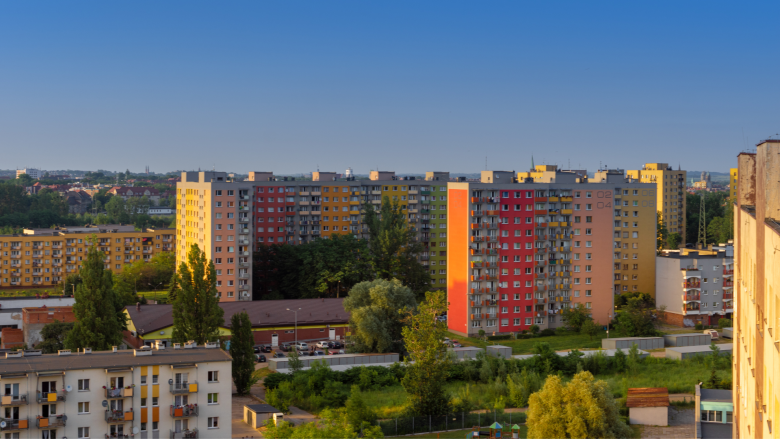
Poland faces a striking contradiction: over 1.8 million residential buildings stand empty, yet thousands of families cannot access affordable housing. Bytom is a city where this imbalance is painfully clear. The city has only around 330 social housing units available, while an estimated 800 dwellings lie vacant across Bytom, including more than 500 within the municipal housing stock. Meanwhile, more than 1,400 households remain on waiting lists for social housing. With an unemployment rate of 7–8% (2023–2024), significantly higher than the averages for the Silesian Voivodeship and Poland as a whole, many residents experience housing insecurity, high rents, and limited options, while buildings across the city fall into disrepair, waiting for solutions.
The roots of this problem run deep.
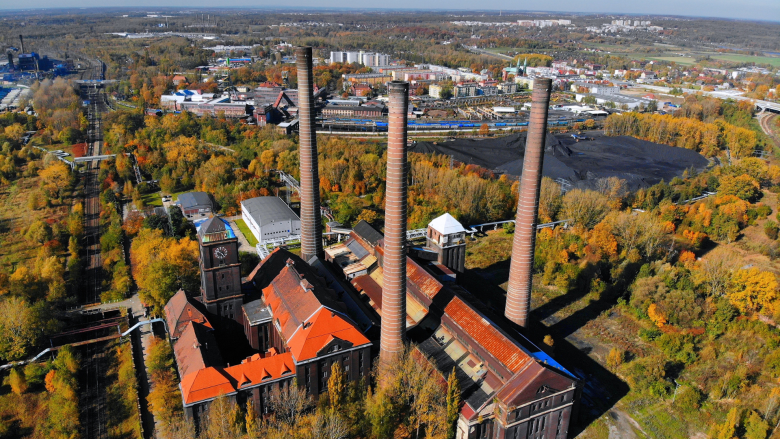
Bytom is one of Upper Silesia’s oldest cities and was once a thriving industrial hub. Following the economic transition after 1989, the city experienced severe deindustrialization, population loss, and urban decline. Today, it remains an important regional center, part of the Upper Silesian–Zagłębie Metropolis, with cultural institutions such as an opera, theatre, and community centers, yet thousands of buildings—once homes, workplaces, or public facilities—sit unused. Municipal budgets alone are insufficient to renovate these properties, and unclear ownership, legal complexities, and renovation costs often leave them abandoned for years.
From Neglect to Opportunity
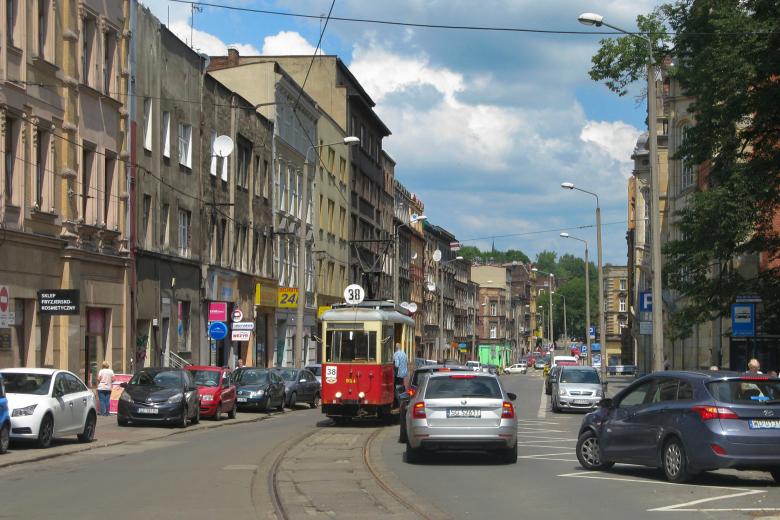
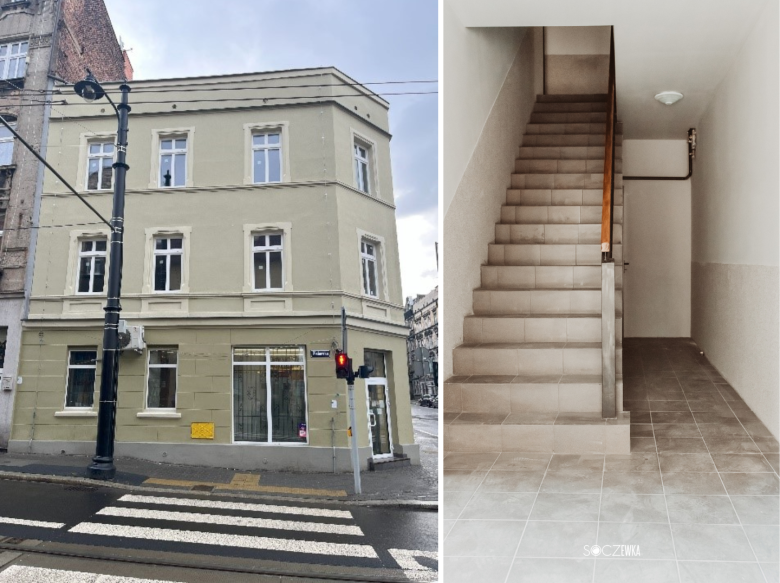
The tenement at 40 Piekarska Street exemplifies both the challenges and potential of Poland’s vacant housing stock. Centrally located along a street that historically connected Bytom with neighboring Piekary Śląskie, the building had stood empty for years.
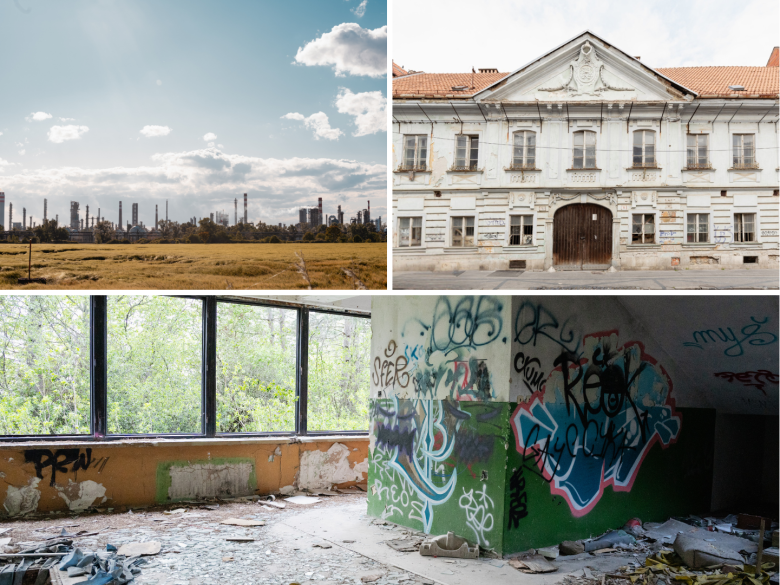
Its structure was sound but required major renovations: the roof and façade needed repairs, windows were old and inefficient, and the interior was crumbling.
For Habitat for Humanity Poland and the City of Bytom, the building was an opportunity to demonstrate how adaptive reuse could create affordable housing quickly, efficiently, and sustainably.
The renovation took two main stages.
The first phase included roof repair, façade renovation, window replacement, and installation of a modern gas heating system. The walls were insulated with 15 cm EPS, the roof with 12 cm mineral wool, and the basement ceilings with 10 cm mineral wool. These measures were funded by the City of Bytom using European Union funds under the Regional Operational Programme for 2014–2020, as part of a larger package covering 21 residential buildings with a total budget of ~21 million PLN (around 5 million Eur). The specific cost of Piekarska 40’s thermal modernization is not publicly known because it was part of this broader program.
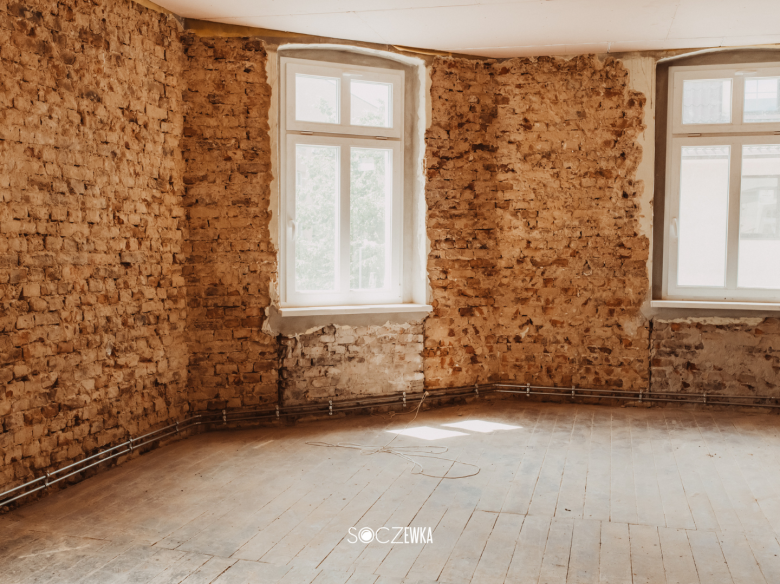
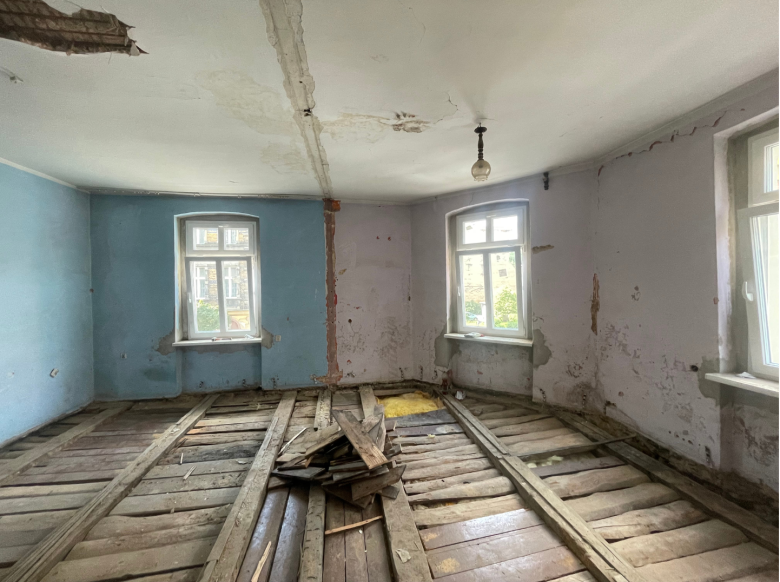
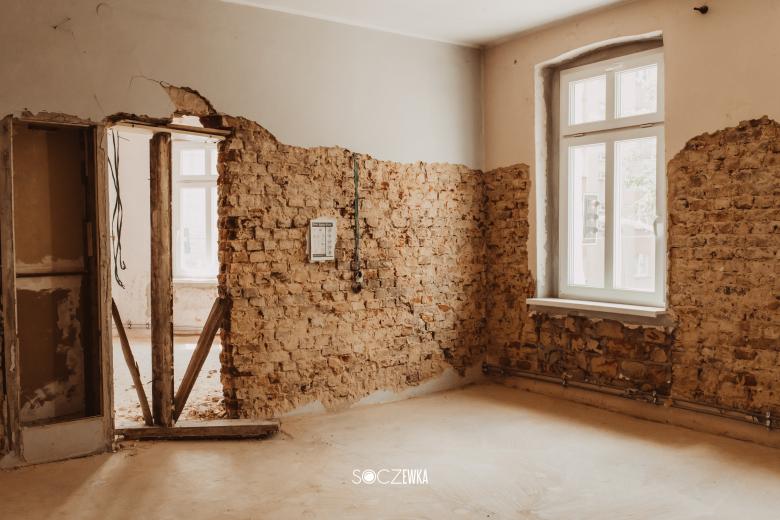
During the second stage that ran from June 2024 to April 2025, the interior renovation included removing old plaster, wooden floors, and doors; cleaning and reinforcing basements; installing new plumbing, sewage, electrical, and ventilation systems; building lightweight partition walls; repairing ceilings; and completing finishing works, including floors, painting, bathrooms, doors, and lighting. This stage was financed by Habitat for Humanity Poland with the support of corporate partners and the Rapid Response Fund (RRF), a humanitarian grant prioritizing Ukrainian refugees. The cost of this interior renovation was 1 million PLN (≈€210,000), demonstrating that at least this part of the project was achieved at a reasonable and replicable cost.
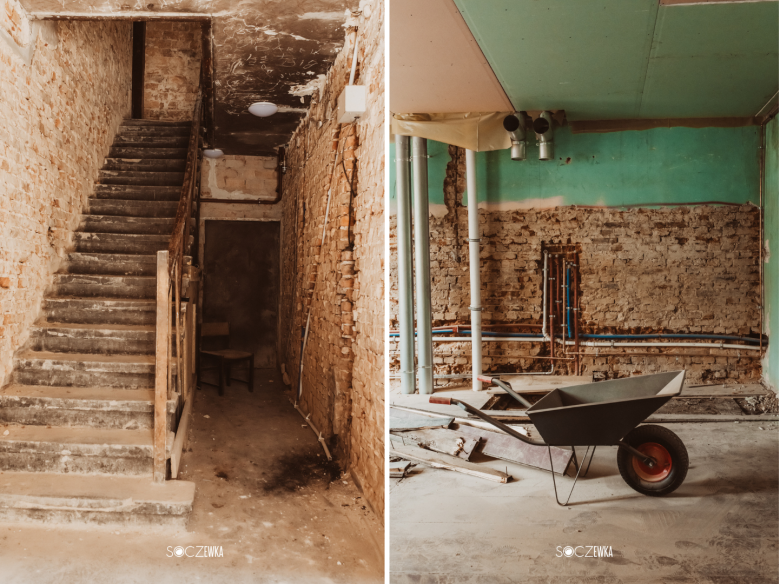
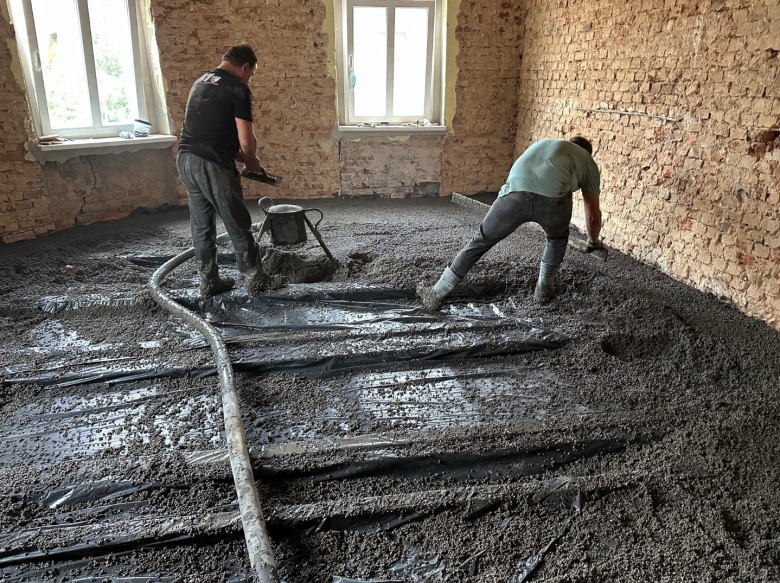
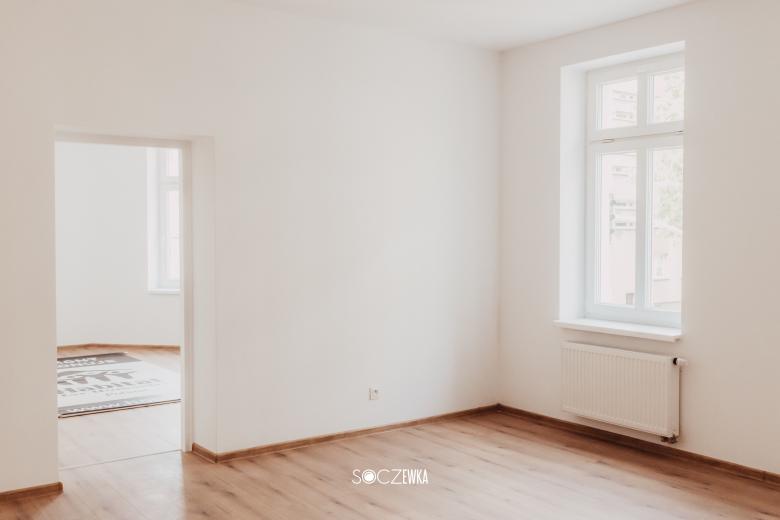
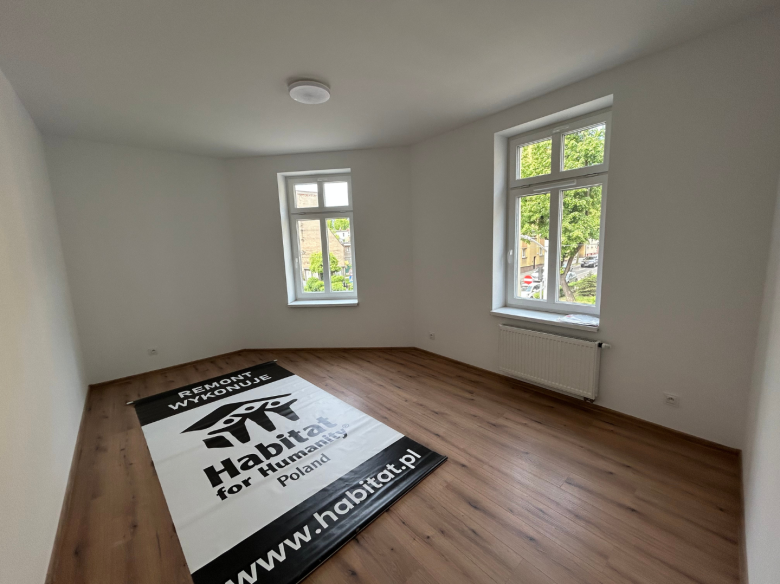
By the end of the process, Piekarska 40 had been transformed into four apartments ranging from 50 to 70 m² each (total 526 m²), preserving its historic façade while creating functional, energy-efficient homes. Families who had long awaited social housing were ready to move in.
Cooperation at the Core
The success of the Bytom project was built on collaboration.
The City of Bytom provided the building and managed the allocation of apartments. Habitat for Humanity Poland coordinated renovation works, hired contractors, and organized volunteers.
Corporate partners—including Saint-Gobain Foundation and Philips Medisize provided funding and in-kind support, while the Rapid Response Fund (RRF) financed a substantial portion of the interior renovation, enabling priority allocation to Ukrainian refugee families.
Volunteers contributed critically: 146 individuals from Poland and the United States gave over 2,023 hours. This included 36 U.S. volunteers from Thrivent, a U.S.-based financial services organization, who participated in a week-long Global Village program. For many of them, it was a chance to engage with the community, see transformation happen in real time, and be part of something that truly mattered.
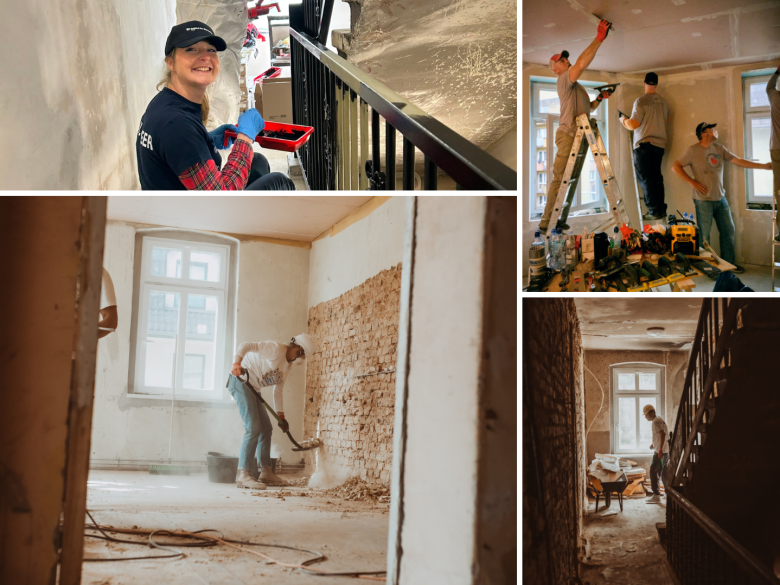
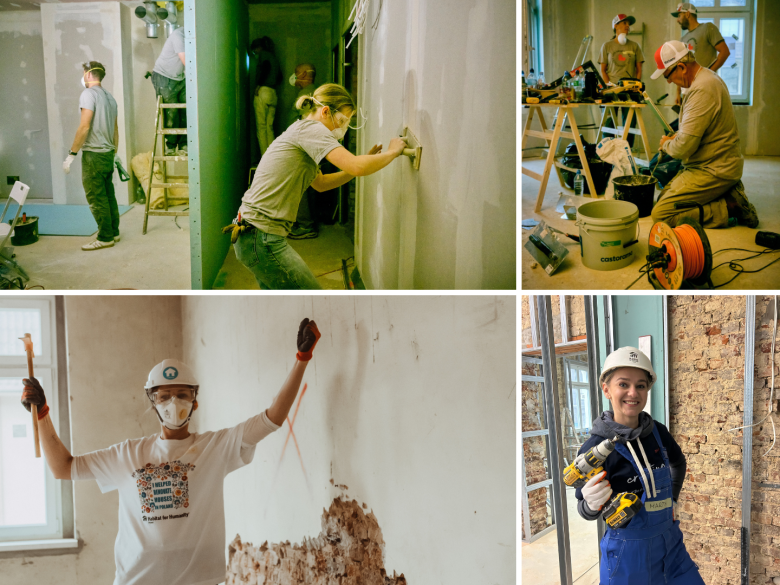
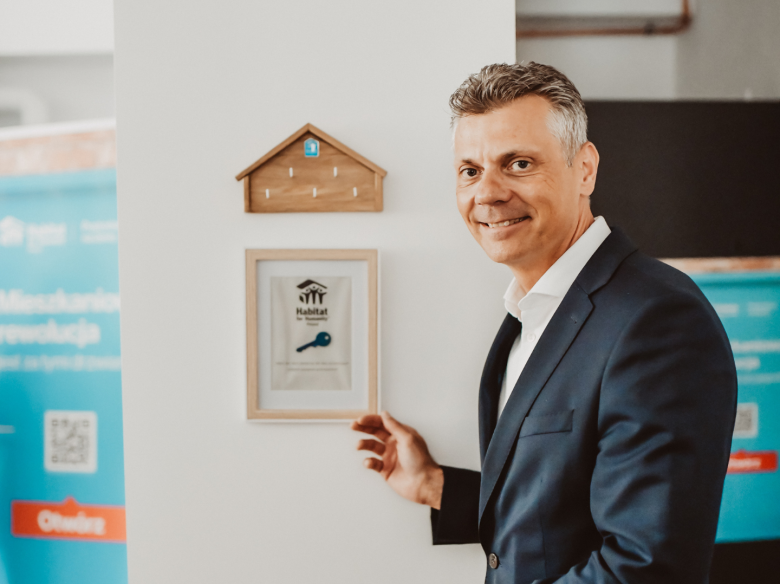
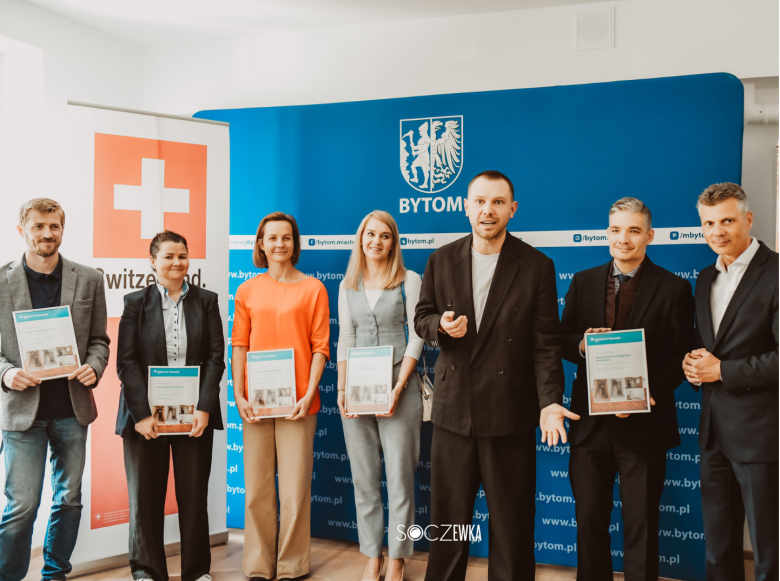
“This is one of the most interesting housing investments in our city—because it’s driven by a social mission and care for the community,” said Mariusz Wołosz, Mayor of Bytom, during the inauguration event.
He added that the project demonstrates how cooperation between the municipality, non-governmental organizations, and private partners can turn abandoned properties into safe, dignified homes for families in need of a decent place to call home.
A Better Future Starts with a Home
The renovated tenement building now provides safe, affordable housing to four families: three Ukrainian refugee families and one local single-parent household. Residents were selected in line with the City of Bytom’s social housing allocation criteria, which are based primarily on income thresholds - approximately EUR 650 per month for a single-person household - as well as housing conditions, including poor living standards or the absence of ownership of another property.
Final allocation decisions also take into account a points-based assessment that reflects each applicant’s circumstances, such as family size, disability, homelessness, or experience of domestic violence, ensuring that support is directed to those most in need.
Khrystyna lives with her two daughters, Tatiana and Olha, who are attending school and beginning to rebuild a sense of normalcy after displacement. Nataliya and her daughter Yaroslava moved from rented accommodation that was too expensive for their needs; Nataliya has a disability, and the secure, affordable apartment allows them to live independently while pursuing work and education. Izabela, a single mother, lost her husband in 2024 and now shares her new apartment with her two young daughters, finding relief from the financial and emotional strain of previous housing instability. Finally, Myroslav and Rodika, along with their three children, including a daughter with autism, previously rented privately at high cost; moving into municipal housing lowers their expenses and ensures a safer, more supportive home environment.
All families pay a social housing fee of just 2.10 PLN (≈0.48 EUR) per square meter far below market rates—making these homes truly accessible.
For the residents, the impact is transformative. They now live in well-insulated apartments with reliable heating, functional kitchens, and bathrooms. Children can focus on school without the stress of overcrowding or unstable living conditions, and parents can redirect their energy toward work, care, and rebuilding their lives.
Affordable, Efficient, and Low-Carbon
The Bytom renovation goes beyond providing homes—it also highlights the environmental potential of adaptive reuse. Thanks to comprehensive thermal modernization, the building’s energy use is projected to drop by roughly 53%, while heating demand is expected to fall by 46%, and CO₂ emissions to lower by nearly 75%.
The renovation included EPS insulation on exterior walls and mineral wool for the roof and basement ceilings, paired with a modern, efficient gas heating system. Together, these measures create well-insulated, energy-efficient apartments that meet the needs of families while improving the building’s overall performance.
A life-cycle assessment (LCA) tool was developed as part of the project to explore the potential carbon savings of reusing the tenement. By comparing the environmental impact of renovating the building with a hypothetical scenario in which it is demolished and rebuilt, the project aims to test the hypothesis that adaptive reuse can save significant embodied carbon. While the LCA for the Bytom building is still ongoing, broader data from the Empty Spaces to Homes initiative suggest that repurposing vacant properties could potentially reduce up to 85% of embodied carbon compared with new construction.
If this hypothesis proves correct, adaptive reuse could become a scalable, low-carbon solution to tackle the high carbon footprint of Europe’s housing and construction sector, which is responsible for roughly 36% of EU CO₂ emissions.
The Challenge Across Europe
Europe is facing a dual crisis: a severe shortage of affordable housing and an urgent need to reduce carbon emissions.
Environmental impact: According to the European Commission, the building sector (residential and commercial) is responsible for approximately 36% of CO₂ emissions and 40% of energy consumption in the European Union (2023).
Homelessness: Over 2 million people experience homelessness each year across Europe and OECD countries (2024), with nearly 900,000 people homeless each night (2023).
Vacant properties: Over 47 million homes across Europe remain empty (2025).
These figures show the scale of the problem and the potential impact that adaptive reuse initiatives—like Piekarska 40—could have if scaled across the continent.
Across different countries, the challenge and opportunity vary, but the principle is the same: vacant buildings represent a largely untapped resource that could help meet urgent housing needs while reducing carbon emissions.
A Model for Europe
While Piekarska 40 is unique to Bytom, its lessons apply across Europe. Millions of homes stand empty across the continent, even as countless families struggle to access affordable housing.
In Great Britain, the number of vacant local authority–owned buildings rose from 6,324 in 2021 to 8,242 in 2025, mainly in offices, shops, and leisure facilities. Converting these empty public buildings alone could create over 25,000 homes, while around 175,000 privately owned vacant non-residential buildings could potentially deliver more than 500,000 additional homes. (Read the report here)
In Hungary, the mismatch between housing supply and demand is striking. Out of 4.5 million dwellings, over 570,000 stand empty, while nearly 3 million people live in housing poverty. Municipalities manage just 2.4% of the total housing stock, limiting access to social housing, yet many underused buildings—schools, offices, and apartments—could be repurposed to meet urgent needs. (Read the report here)
In Croatia, nearly one-third of all homes intended for permanent residence remain empty, particularly in urban centers such as Zagreb, Split, and Osijek, while rising housing costs leave young adults and low-income families priced out of city cores. Pilot projects converting military barracks or unused apartments into affordable housing have shown promise, but scaling up requires coordinated policy action and political will. (Read the report here)
The Bytom project demonstrates that adaptive reuse can create affordable housing quickly, at lower cost, and with reduced carbon emissions—if municipalities, NGOs, donors, and volunteers work together.
In Poland, this approach is supported by a Habitat for Humanity Poland national coalition of public authorities, NGOs, and private partners, which coordinates efforts to identify vacant buildings, share best practices, and streamline legal and funding frameworks for adaptive reuse projects.
This coalition amplifies the impact of individual projects like Piekarska 40 and ensures lessons learned can be replicated efficiently across the country.
Building on this approach, Habitat for Humanity is now planning to replicate the model in 50 cities across Europe by 2030, combining research, demonstration builds, stakeholder engagement, and policy advocacy. Bytom shows that when vacant properties are treated as opportunities rather than liabilities, cities can meet urgent housing needs while advancing both social and environmental goals.
From Empty Space to Home
The transformation of Piekarska 40 is not just a renovation; it is a story of community, resilience, and hope. Historic architecture has been preserved, families have found secure homes, and Europe has a replicable model for addressing one of its most pressing social and environmental challenges.
“Vacant buildings are not a problem—they’re a solution waiting to be unlocked,” says Mateusz Piegza, Director of Development and Innovation at Habitat Poland. “We must turn empty buildings into much-needed homes—for the people and for the planet.”
Through innovation, cooperation, and courage, Bytom has shown that the buildings—and the solutions—are already here. Now it is up to cities across Europe to follow this path.
Acknowledgements
The Piekarska 40 project was made possible through the collaboration of the City of Bytom, Habitat for Humanity Poland, the Rapid Response Fund, corporate partners Saint Gobain Foundation, Philips Medisize, and the dedication of over 140 volunteers from Poland and the United States. Their collective efforts demonstrate that by working together, abandoned buildings can be transformed into homes, and communities can be revitalized—one project at a time.
The transformation of Piekarska 40 was realized under the Empty Spaces to Homes initiative — a Habitat’s European effort to unlock the potential of vacant buildings and turn them into affordable, low-carbon homes.
This initiative is initiated and supported by our main partners: M&G, Laudes Foundation, and Employee Foundation of VKR Group and other partners: ArcelorMittal Construction, wienerberger, James Hardie and Euroclear.
Their commitment goes beyond individual projects. By supporting research, pilot renovations, cross-sector collaboration, and policy advocacy, they enable the development of scalable solutions that can be replicated across cities and countries. Thanks to their strategic and long-term support, Empty Spaces to Homes connects local action—like the revitalization of Piekarska 40 in Bytom—with a broader European movement for housing justice and climate responsibility.
We extend our sincere gratitude to our partners for their trust, vision, and dedication. Their support helps demonstrate that vacant buildings are not liabilities, but opportunities—ready to become safe, dignified homes for families and catalysts for resilient, sustainable communities across Europe.