Inside one of the biggest Roma slums hope arises
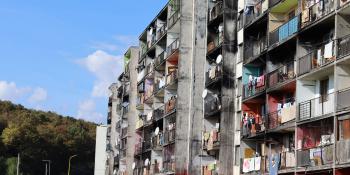
More than seven thousand Romani, colloquially referred as Roma, consider Lunik IX district in Kosice, their home. Tucked in the southwestern suburb of Slovakia’s second largest city, the isolated and neglected ghetto is one of Europe’s largest Roma slums.
A city plan gone wrong
Urbanization efforts began in 1978 in Lunik IX, with the original housing estate designed for 2,500 inhabitants. Under the then socialist state, flats were either state-owned or under cooperative ownership. Those seeking housing were required by the local city national committees to meet certain requirements or join a coop and hence make financial payments.
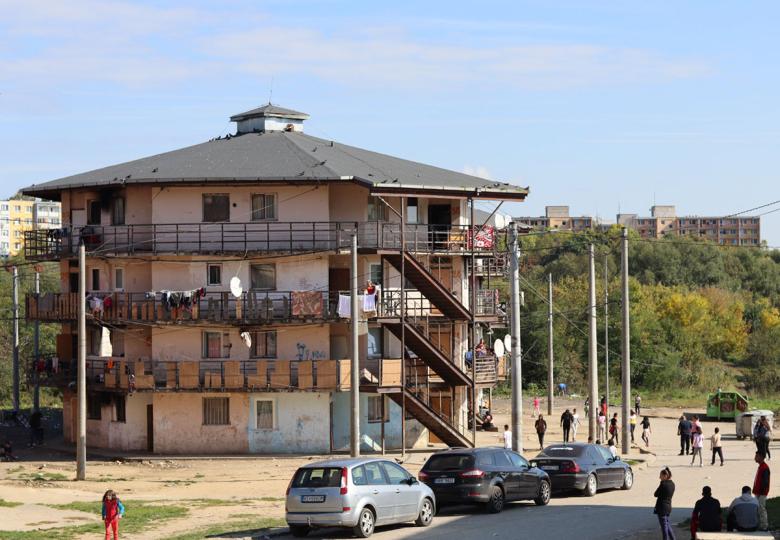
In an effort to maintain peace and force Roma families to assimilate, authorities tried to enforce a 60:40% rule whereby the ethnic majority and Roma minority would live side by side. The methodology was set up for failure from the beginning as the authorities allocated flats to Roma families haphazardly, without understanding or taking into account social rivalry and tensions amongst the various Roma groups. As a result, extended families were separated from each other, and enemies ended up becoming neighbors. Sometimes most basic interactions, even crossing the street at the same time, would cause fight to break out. As the area’s troubling reputation grew, other ethnic groups gradually moved away. This, along with growing racism towards Roma groups, paved the way towards full segregation and the ensuing neglect of the area.
The emergences of the Roma slum
The segregation was seen at all levels in the society. Out of the two nurseries in the district, one was restricted to Roma children only. And while older children attended schools in different parts of the city, an elementary school solely for Roma children opened in 1983. The original capacity of the school, capped at 300 students, was exceeded more than twice in 1999/2000 forcing the school to run two shifts.
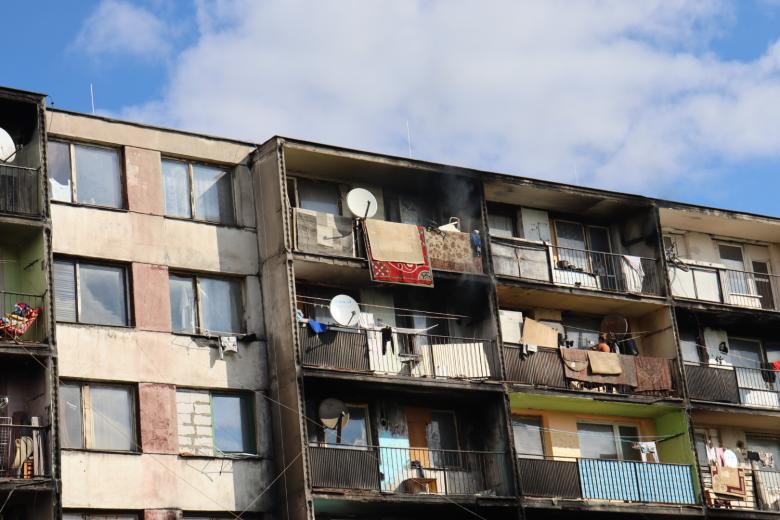
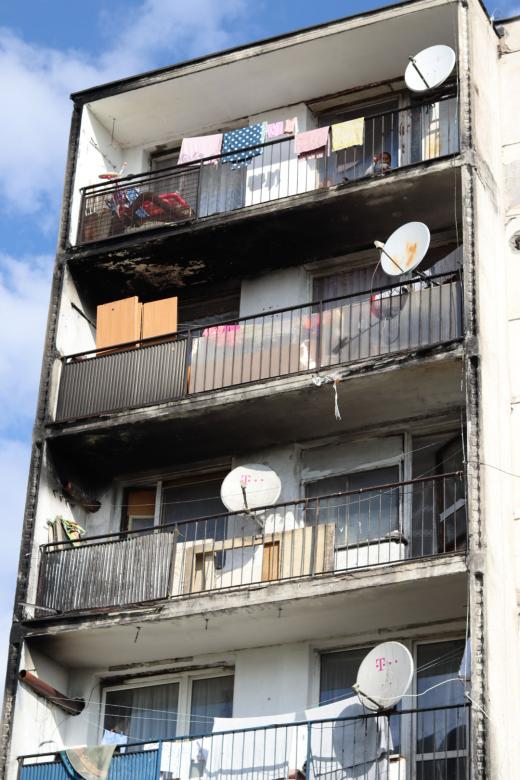
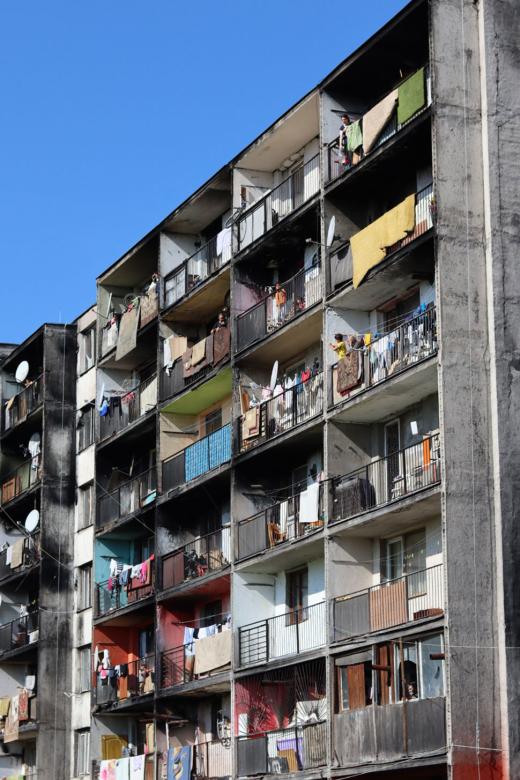
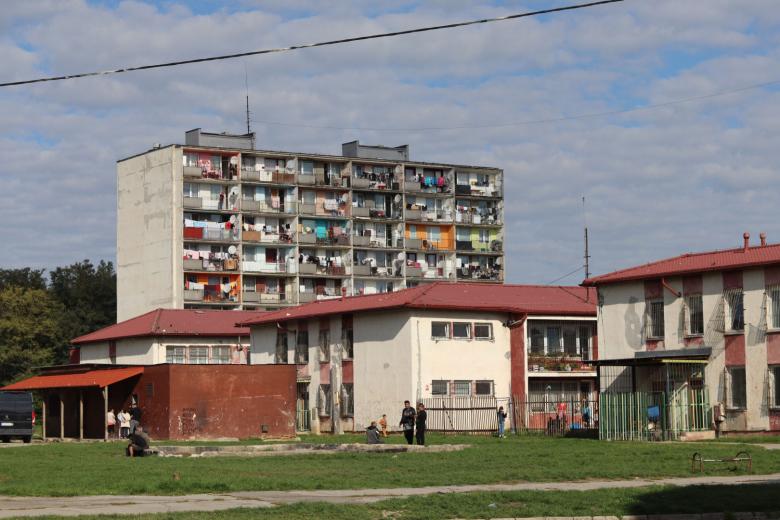


Unofficial estimates suggest that at some point, Lunik IX housed more than 11,000 people; sometimes cramming 30-40 people in three or four-room flats. Overcrowding in living spaces and poor hygiene have also caused numerous epidemic outbreaks from head lice to hepatitis. The overcrowded setting is made more bleak by an unemployment rate that surpasses 90%.
Authorities contributed to further degeneration of the ghetto when it was decided to move people in debt, homeless and other problematic citizens to the Lunik IX district. Unpaid energy, utilities, and garbage collection bills rose to thousands of euros. In 2008, authorities carried out remediation of the first two apartment buildings due to structural damage, and several others followed later.
Pope Francis visits Lunik IX
During his papal visit to Slovakia in 2021, Pope Francis included a visit to Lunik IX, bringing the state authorities, local municipalities and media attention to the marginalization and poverty of the Roma population.
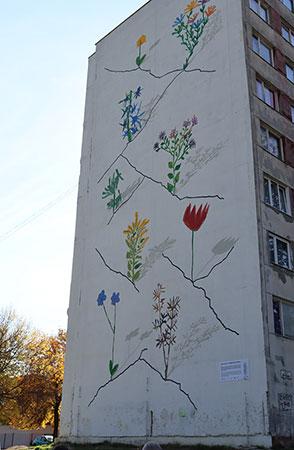
Mural painting symbolizing that that beauty and tenacity find their way even in difficult conditions.
Preparations for his visit included clearing piles of garbage around apartment buildings that had reached in height the first floor and multiple reconstructions of roads and pavements. Artists painted a mural on one of the apartment buildings featuring drawings of flowers that grow between the cracks in walls, collected by the children in the ghetto: symbolizing that beauty and tenacity find their way even in difficult conditions.
A beam of hope
In 2021, a partnership between the municipality, private sector, and NGOs kickstarted a project enabling construction of family houses in Lunik IX. The project resulted in the completion of a community center, which includes a space dedicated to activities for children and families.
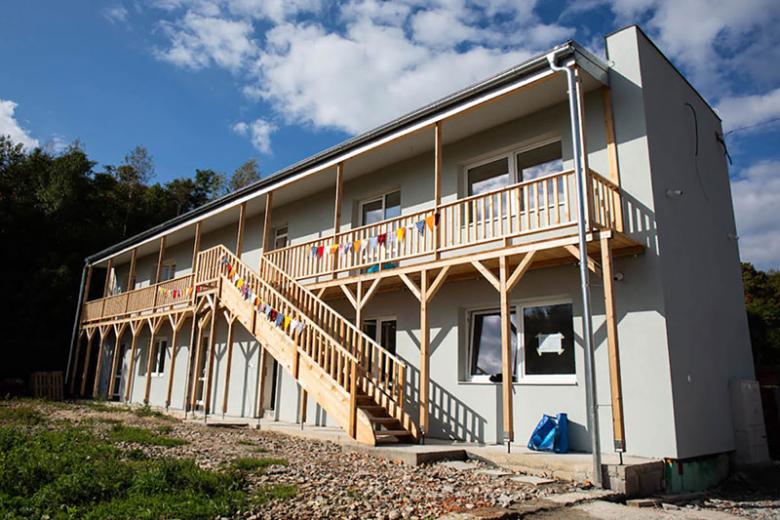
ETP Slovakia recently finished construction of a community center that will host clubs and workshops for Roma children and other activities aimed at Roma integration.
Photo credit: Daniel Sabol / ETP Slovensko
Shortly after the opening of the community center, the first Roma family started building their new home. With support of Habitat for Humanity, ETP Slovakia, a local nonprofit organization, runs the community center and provides supervision, consultations and legal advice, as well as microloans for home improvements. Other partners, such as Wienerberger Slovakia, have provided donation of construction materials such as bricks, bringing down the overall building expenses by half.
Skepticism towards the project amongst the community has quickly shifted and more families have expressed interest in microloans. If families meet the selection criteria, enroll in financial literacy training and successfully set aside money for more than one year, more families will be enabled to self-build a decent place to live.